
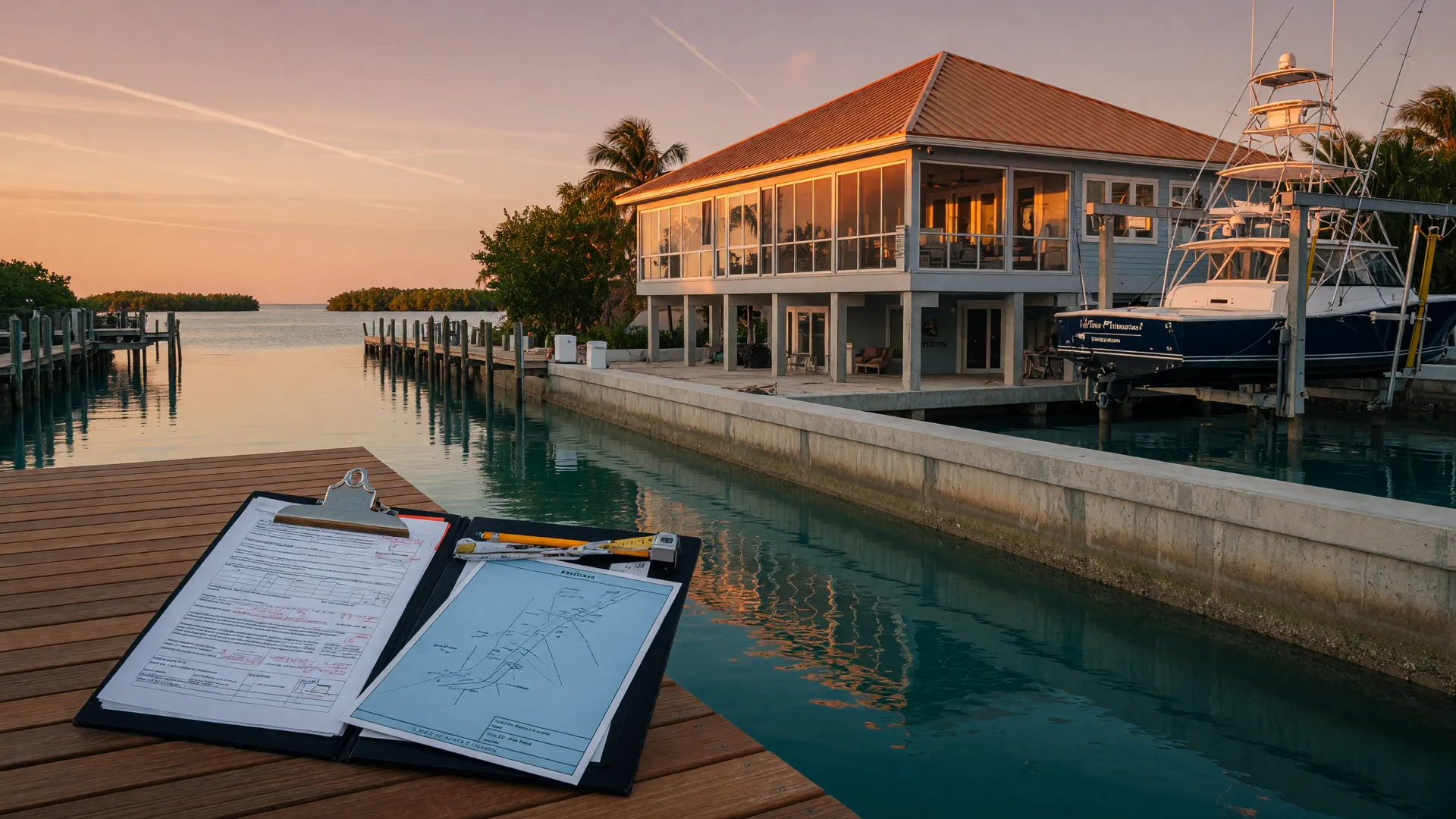
Negotiating Repairs After the Home Inspection: A Buyer's Guide for Florida Keys Waterfront Homes
The inspection tells you what needs work. Negotiating the repair agreement decides who pays for it. Here is how to approach the conversation with a waterfront home in the Keys.
Key Takeaways
- Most Florida Keys waterfront homes sell on an as-is basis, so the inspection period is your main chance to negotiate repairs, credits, or a price adjustment before you commit.
- The big-ticket marine items are the seawall, the dock, and the boat lift: a failing seawall or a compromised dock can cost more than any cosmetic repair on the house itself.
- A credit at closing is often better than a seller-performed repair, because you control the contractor, the scope, and the standard of work on your own timeline.
- Anchor your negotiation in real numbers: an itemized repair estimate from a licensed contractor turns a vague request into a defensible one.
- Know the line between negotiable maintenance and a reason to walk away: health, safety, insurance, and seawall failure belong in the second category.
The home inspection is where a Florida Keys waterfront purchase gets real. It is also where many buyers assume the hard work is done. It is not. The inspection report is a list of findings; the negotiation that follows decides who pays for them, how much, and on what terms. As a licensed contractor and home inspector who has represented buyers across the Upper Keys for three decades, I want to walk you through how that repair conversation should work, from the first addendum to the closing credit.
Why the Inspection Is Only Half the Battle
A thorough inspection of a Keys waterfront home covers far more than the four walls. It includes the seawall, the dock, the boat lift, the pilings, the flood vents, the elevation, the roof, the impact glass, and the electrical and plumbing systems that fight salt air every day. My complete Florida Keys waterfront property inspection checklist lists everything a buyer should review. That report becomes the basis for negotiation, and the quality of your ask depends on how well you understand each finding.
The most common mistake I see is a buyer treating every line item the same. A missing weather-strip on a door and a cracked seawall cap are not in the same negotiation category. The first is a minor maintenance item. The second touches the structure that holds your shoreline in place. Serious buyers separate the findings into safety items, structural items, marine infrastructure items, and cosmetic items, and then negotiate accordingly.
How the Keys Contract Frames Repairs
Most waterfront homes in the Florida Keys sell on an as-is basis. That does not mean the seller will fix nothing; it means the contract does not promise repairs, so your leverage comes from the inspection period, the due diligence window, and the negotiation that happens inside it. My guide to the Florida Keys waterfront due diligence period explains the full sequence between accepted offer and closing, and the repair request typically arrives as a formal addendum within that window.
In practice, the conversation follows a familiar shape. The buyer's agent delivers a repair addendum listing the findings and what the buyer requests, with a deadline for the seller's response. The seller can accept, counter, or decline. The tone of that exchange matters as much as the list itself: a reasonable, itemized, cost-backed request almost always performs better than an ultimatum. My guide to making an offer on a Florida Keys waterfront home covers the strategy and contingencies that set you up for this conversation before you ever write the offer.
Seawall and Dock Repairs: The Marine Big-Ticket Items
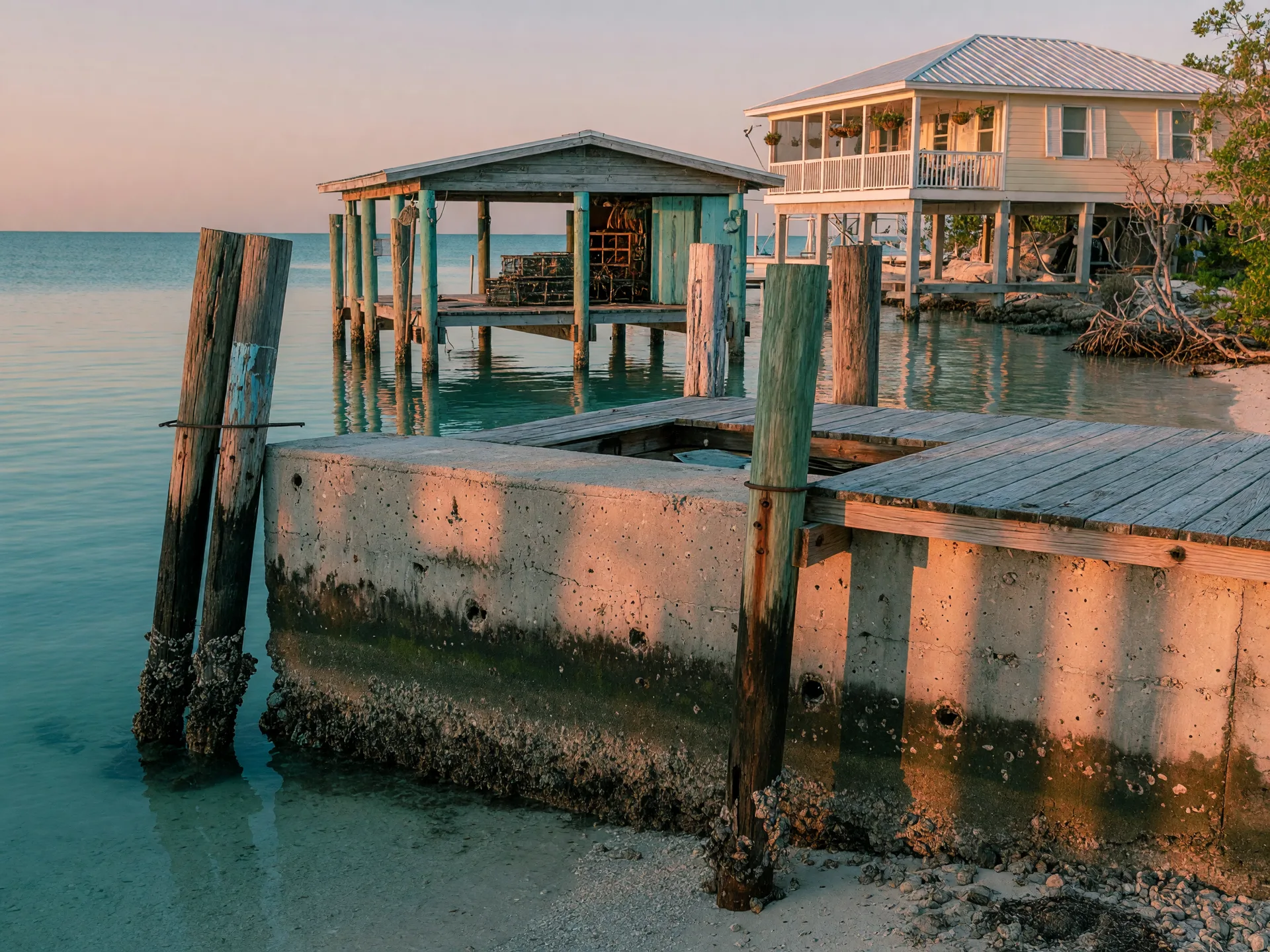
On a waterfront property, the items that move the negotiation are almost always outside the house. A seawall is a serious structure: it holds back the canal or the bay, supports your dock, and protects your yard from erosion. When an inspection flags a leaning wall, a failing tie-back system, or missing cap sections, you are looking at one of the largest repair costs in the Keys. My guide to seawall and dock inspection for Florida Keys waterfront buyers explains what a qualified marine inspector evaluates from both the land and the water side.
The dock and the boat lift are the next layer. Rotting stringers, corroded hardware, aging decking, an under-sized lift, or electrical work that does not meet marine code are all common findings on older Keys waterfront homes. For a buyer whose whole reason for purchasing is the dockage, these are not side notes; they are the feature. A dock that cannot safely hold the boat you plan to keep is a negotiation point, not a cosmetic one.
Structural Repairs on the Home Itself
On the house side, the findings that matter most are the ones tied to the marine environment and the storm climate. A roof at the end of its service life, impact glass that is not impact glass, wood rot around windows and doors, corrosion in the electrical panel, and an HVAC system fighting salt air are all common on Keys homes of a certain age. Elevation issues belong in this category too: a home that sits low for its flood zone can face expensive requirements down the road. My guide to evaluating a Florida Keys waterfront home walks through structural due diligence from a contractor's point of view.
When these items show up in the report, ask what they would cost to address to a standard you would accept. That is the number that belongs in the negotiation, not an arbitrary round figure. A roof replacement, a panel upgrade, and a wind-mitigation retrofit each carry real price tags, and a seller who has priced a home for its current condition may be more willing to offer a credit than to accept a lower price.
Credits vs. Repairs: What to Ask For
There are two ways to resolve a repair request: the seller fixes it before closing, or the seller gives you a credit at closing and you arrange the work yourself. In most cases, I recommend the credit. When a seller performs repairs, the buyer has limited control over the contractor, the schedule, and the standard of work, and you may close on a home with repairs you never inspected. With a credit, you choose the licensed contractor, you set the scope, and you verify the finished work on your own timeline.
There are exceptions. Minor items that are quick and visible, such as a failing GFCI outlet or a missing vent cover, are often simpler to have the seller complete before closing. The key is to be clear about which items are which in the addendum. And remember that a credit has value beyond the repair itself: it can preserve the purchase price for your lender and appraisal while effectively reducing what you pay out of pocket.
The Contractor's View: Realistic Cost Estimates
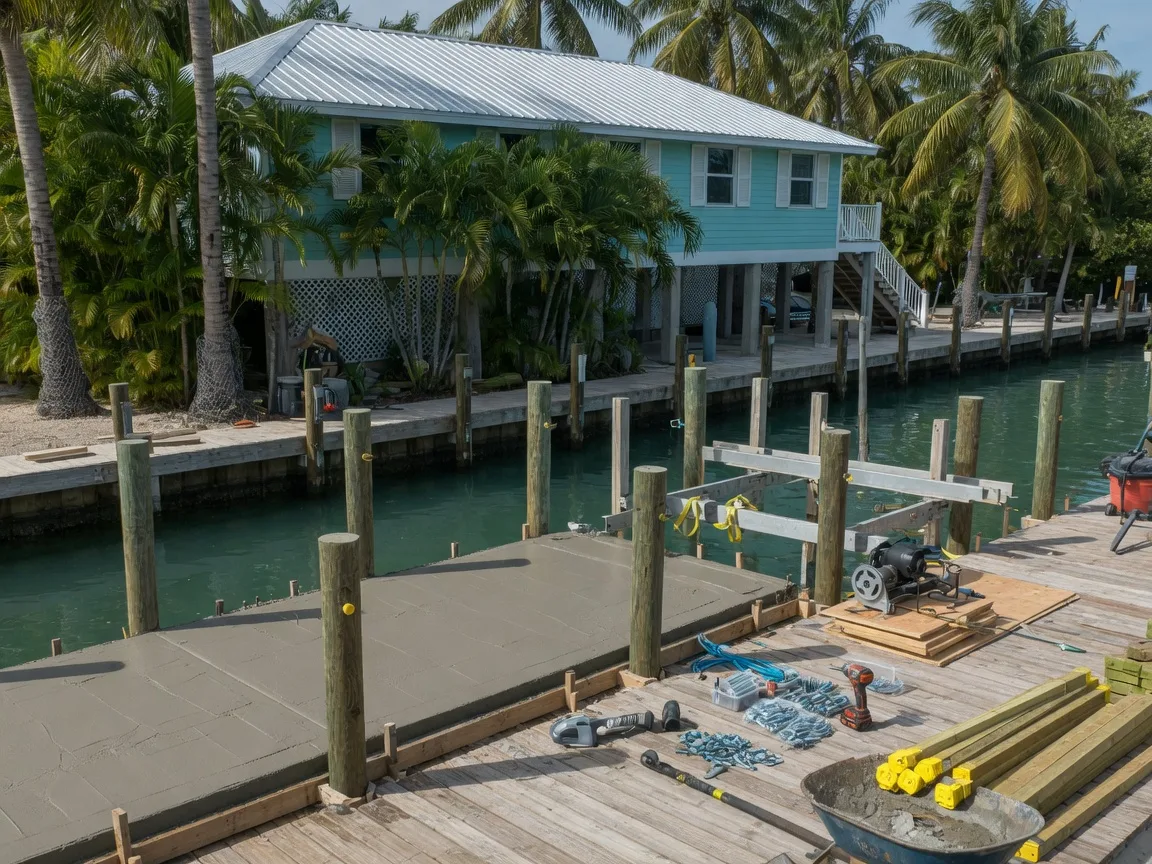
This is where my background changes the conversation for my clients. A repair addendum backed by a realistic, itemized estimate is a different document from a wish list. When I review an inspection report, I can tell you which findings are minor, which are serious, and roughly what each one costs to address in the current Keys market. That lets us ask for the right thing in the right amount, and it gives the seller's side numbers they can actually engage with rather than argue against.
The reverse is also true. Sellers sometimes respond with their own low estimates, and a buyer who cannot read the scope of work has no way to judge them. Knowing what a seawall repair, a dock rebuild, or a roof replacement genuinely costs protects you from accepting a number that will not cover the work. My complete buyer's guide includes the evaluation framework I use on every Keys waterfront property, and the Florida Keys market report shows how condition and infrastructure move value in the current market.
When to Walk Away
A good negotiation knows its exit. Some findings should stop the deal no matter how the numbers work. A seawall that is actively failing, a dock that is unsafe, a home with significant unresolved flood or wind exposure, or required work that would make the purchase no longer make financial sense: these are reasons to walk, not reasons to counter. The inspection period exists precisely so you can discover them before you are committed.
Walking away is not a failure; it is the system working. The best buyers I have represented have walked away more than once, and every time it freed them to find the right home with the right condition profile. My guide to the pre-offer paper trail helps you review the documents that predict many of these issues before you ever spend money on an inspection.
The Bottom Line
The repair negotiation after the inspection is where a buyer's due diligence becomes a financial outcome. Organize the findings, anchor the ask in real contractor numbers, prefer credits for the serious marine items, and keep a clear line between negotiable maintenance and a reason to walk away. Do that and the inspection report becomes leverage instead of a source of anxiety.
If you are under contract on a Keys waterfront home and reading this with a report in hand, contact Steve Conley at (305) 393-5859. As the Principal of the Conley Sales Group at COMPASS, and with a contractor's and inspector's licenses on top of three decades of Keys transactions, he can help you turn the findings into a negotiation you can stand behind.
Repairs, answered.
Do Florida Keys waterfront homes sell as-is?
Most do. The contract does not promise repairs, which is why the inspection period and due diligence window matter so much. A repair addendum within that window is your main opportunity to negotiate credits, fixes, or a price adjustment before closing.
Should I ask for a credit or have the seller make the repairs?
For significant marine and structural items, a credit at closing is usually better. You control the contractor, the scope, and the standard of work, and you can verify the finished result. Minor visible items are often simpler to have the seller complete before closing.
Which findings matter most in a Keys waterfront inspection?
The seawall, the dock, the boat lift, elevation and flood zone, roof and impact glass, and electrical and plumbing corrosion top the list. These are the items with the largest repair costs and the biggest effect on safety, insurance, and resale value.
When should I walk away instead of negotiating repairs?
When a finding threatens safety or insurability, or when the required work would make the purchase no longer make financial sense. An actively failing seawall, an unsafe dock, or unresolved flood and wind exposure are reasons to walk, not reasons to counter.
How do I make my repair request stronger?
Anchor it in real numbers. An itemized estimate from a licensed contractor turns a vague request into a defensible one, and it gives the seller's side figures they can engage with rather than argue against.
Helpful Resources & Related Guides
Build your Florida Keys buying library with the community guides, the inspection resources, and the market data that turn an inspection report into a confident negotiation.
Internal Resources
- Key Largo Luxury Waterfront Community Guide
- The Complete Florida Keys Waterfront Property Inspection Checklist
- Seawall and Dock Inspection Guide for Keys Buyers
- Making an Offer on a Florida Keys Waterfront Home
- The Complete Buyer's Guide to Keys Waterfront Homes
- Contact Steve Conley About Your Inspection

Steve Conley
Principal, Conley Sales Group at COMPASS, the exclusive Compass office in the Florida Keys. Licensed Sales Associate, Contractor, and Home Inspector with over 30 years and $1.4 billion in career sales serving the island chain.
Full Bio
Thinking About Buying or Selling
in the Florida Keys?
Steve Conley brings 30 years of Keys expertise, $1.4 billion in career sales, and contractor-inspector credentials to every transaction. Let him help you read the inspection, negotiate the repairs, and close with confidence.
Connect with Steve