
Seawall and Dock Inspection Guide: What Every Florida Keys Waterfront Buyer Needs to Know
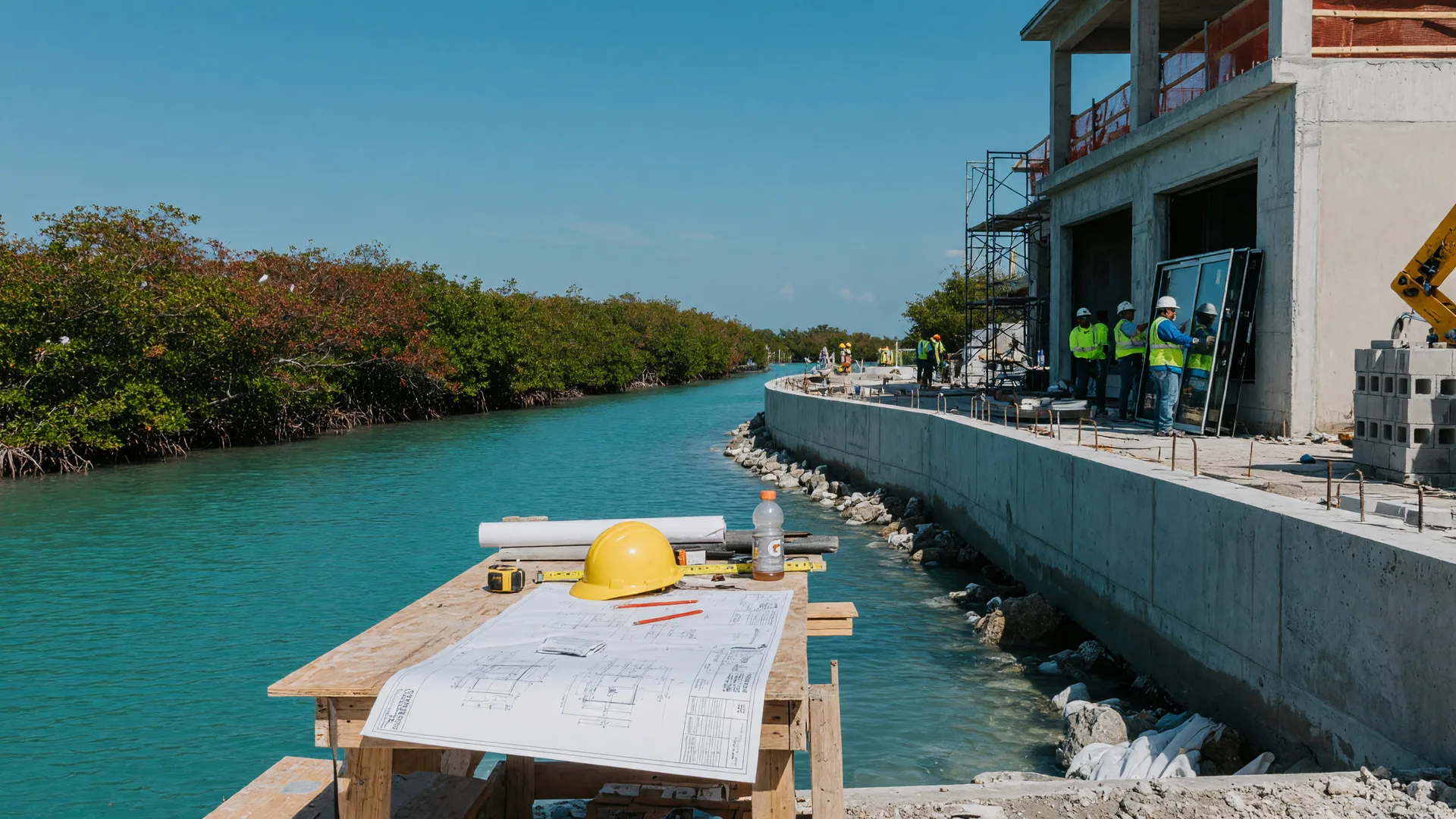
Your seawall and dock are the most critical structural elements of any waterfront property. As a licensed Contractor, here is what I look for and what you should too.
Key Takeaways
- Seawall replacement can cost $500 to $1,000 or more per linear foot. A failing seawall is the single most expensive repair a waterfront property can require.
- The dock must be evaluated for structural integrity, electrical safety, and depth at mean low water. A marine survey by a qualified contractor is essential before purchase.
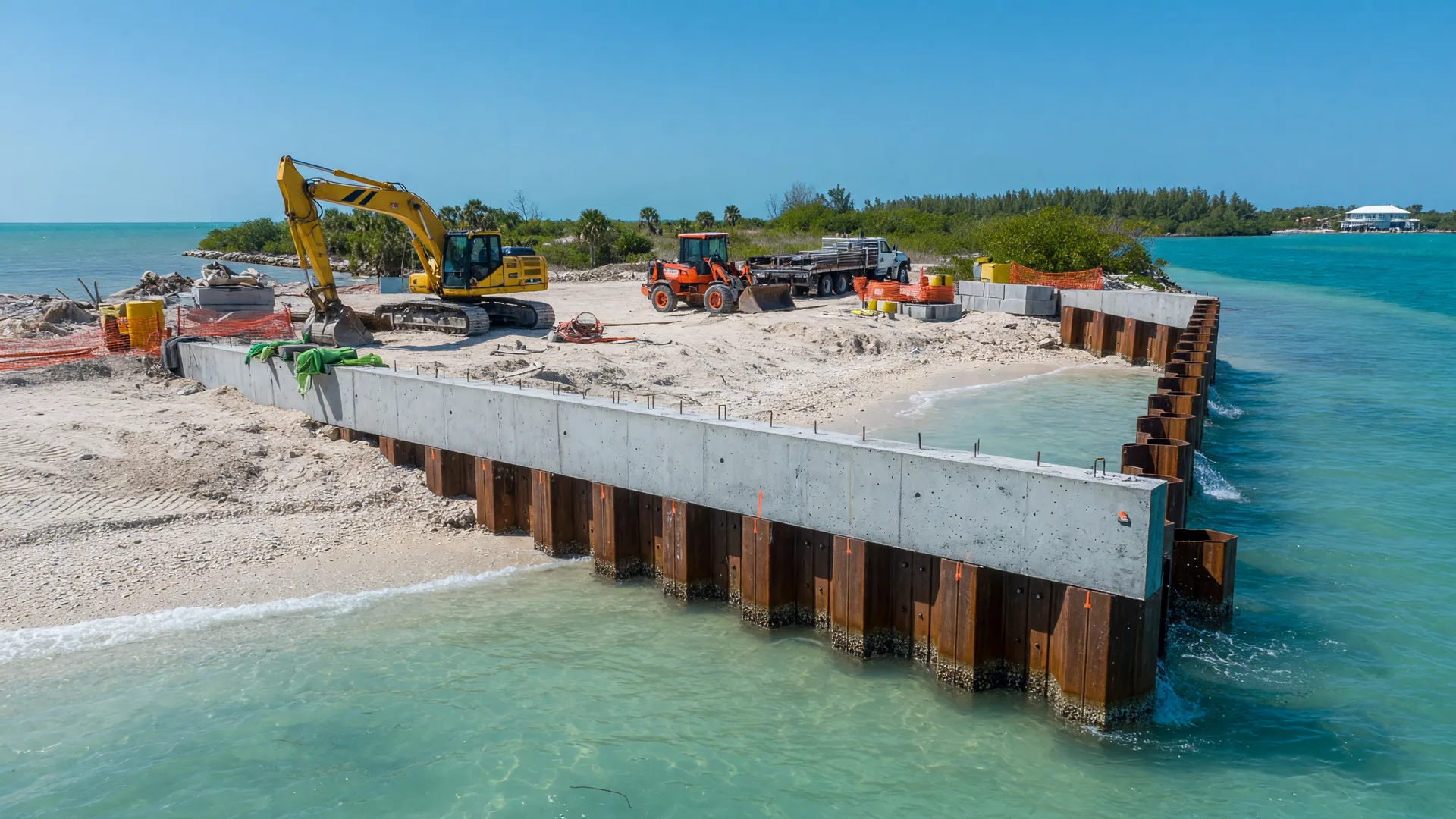
- Modern concrete and steel sheet-pile seawalls offer the best longevity. Older coral rock or timber walls require close inspection and may have limited remaining life.
- Elevation certificates and wind mitigation reports are essential documents that affect insurance costs and property value. Never buy without reviewing them.
- Working with a buyer's agent who holds contractor and inspector credentials means you get a comprehensive evaluation without coordinating multiple specialists.
When you are buying a waterfront property in the Florida Keys, the standard home inspection covers only half the story. The most critical structural elements of any waterfront property are the seawall and the dock, and these are typically not included in a general home inspection. As a licensed Florida Contractor and Home Inspector, I have spent over three decades evaluating these structures, and I can tell you with confidence that their condition determines both the utility and the long-term value of your investment.
A failing seawall can cost $500 to $1,000 or more per linear foot to replace. On a typical Keys waterfront lot with 80 to 120 feet of shoreline, that is a potential $40,000 to $120,000 expense. A dock that cannot accommodate your vessel or that has unsafe electrical wiring can turn your dream property into a costly liability. Understanding what to look for before you make an offer is essential.
Understanding Seawall Types and Condition
The seawall is the interface between your property and the water. Its job is to prevent erosion, retain the land, and provide a stable foundation for your dock. In the Florida Keys, seawalls are constructed from several different materials, each with its own lifespan, failure modes, and maintenance requirements.
Concrete seawalls are the most common in newer construction. Poured concrete walls offer excellent durability when properly designed and constructed, with a typical lifespan of 30 to 50 years. The most common failure mode is cracking caused by saltwater corrosion of the reinforcing steel. Look for horizontal cracks, spalling (surface flaking), and signs of rust staining, which indicate that the reinforcing steel is corroding from within.
Steel sheet-pile seawalls are common in deep-water applications where the wall must resist significant lateral pressure. Galvanized steel offers good corrosion resistance, but the marine environment is aggressive. Look for signs of rust perforation, especially near the waterline and at the interlocks between sheets. A steel wall that has lost more than 20 percent of its original thickness may need replacement.
Coral rock and timber seawalls are older construction types that you will encounter on vintage Keys properties. Coral rock walls rely on the weight and interlocking of the stones for stability and can be surprisingly durable when properly maintained. However, they are vulnerable to undermining and washout during storms. Timber walls have a limited lifespan of 15 to 25 years in saltwater and are particularly vulnerable to marine borer damage.
For a more comprehensive look at property evaluation, read our Complete Florida Keys Waterfront Property Inspection Checklist.
Dock Inspection Essentials
Your dock is your gateway to the water. It must be structurally sound, electrically safe, and deep enough to accommodate your vessel at mean low water. Here is what I look for during a dock inspection.
Structural integrity. The dock pilings, stringers, and decking must be in good condition. In saltwater, the most vulnerable points are the connections: the bolts, brackets, and fasteners that hold the structure together. Look for corrosion at connection points, rot in wooden members, and any signs of movement or settlement. A dock that wobbles or feels unstable underfoot requires immediate attention.
Electrical system. The electrical service at the dock head is one of the most important safety features of any waterfront property. It must include ground fault protection, proper bonding and grounding, and marine-rated components. Faulty dock electrical systems are a leading cause of injury and property damage in the Keys. Have a licensed marine electrician evaluate the system before closing.
Water depth. The depth of water at the dock at mean low water determines what size vessel you can keep there. For a typical 40-foot sportfishing yacht, you need at least 4 to 5 feet of depth. For larger vessels, 6 feet or more is desirable. The depth can vary significantly between canals and even along the same canal, so an accurate depth survey is essential.
Dock permits. All docks in the Florida Keys require permits from the appropriate regulatory agencies. Verify that the existing dock has all required permits and that any proposed modifications are permissible. Unpermitted docks can create significant issues when it comes time to sell or transfer the property.
Elevation Certificates and Flood Zones
Every waterfront property in the Florida Keys has an elevation certificate that documents the relationship between the lowest floor elevation and the base flood elevation. This document is essential for determining flood insurance requirements and costs. The difference between a property in a moderate-risk flood zone and one in a high-velocity flood zone can amount to thousands of dollars per year in insurance premiums.
As a licensed Contractor, I review elevation certificates as a standard part of my property evaluation. I want to know whether the property is elevated sufficiently to qualify for preferred insurance rates, and whether there are any issues with the certificate that could affect insurability or cost.
The wind mitigation report is equally important. This document identifies the specific features that qualify the property for windstorm insurance discounts: impact-resistant windows and doors, hip roof geometry, secondary water resistance, and storm shutter systems. A well-documented wind mitigation report can save a property owner 30 to 50 percent on windstorm insurance premiums.
Red Flags That Should Give You Pause
Over three decades, I have developed a mental checklist of red flags that signal trouble with waterfront infrastructure. Here are the most common ones.
- Missing or outdated elevation certificate. If the seller cannot produce a current elevation certificate, it is a significant concern. It may mean the property has known flood issues or that the certificate expired without renewal.
- Evidence of past seawall repairs. If the seawall has been patched or reinforced, find out why and when. A well-documented repair history is acceptable. A vague story about past repairs is not.
- Dock without proper electrical. If the dock lacks ground fault protection or has visible wiring issues, budget for a complete electrical upgrade. This is a safety concern, not just a cosmetic one.
- Silted or shallow canal. If the canal appears to be silting in, investigate whether it is maintained by an HOA or ARCO and what the maintenance history looks like. A canal that is filling in will only get worse without intervention.
- Unpermitted structures. Any dock, seawall, or shoreline modification that was built without proper permits is a potential liability. The cost of retroactive permitting or removal can be substantial.
For guidance on assembling the right team and navigating the buying process, read our complete buyer's guide to Florida Keys luxury waterfront real estate.
Why Contractor and Inspector Credentials Matter
This is where my background as a licensed Contractor and Home Inspector becomes relevant to every transaction I manage. When I evaluate a property, I do not rely on visual impressions alone. I examine the structural details that determine the property's true condition: the seawall construction and tie-back system, the dock piling embedment and connection details, the electrical system at the dock head, and the wind mitigation features that affect insurance costs.
This integrated perspective means my clients do not need to coordinate multiple independent inspections to get a complete picture of the property. I can identify issues that a standard home inspector would miss, and I can provide realistic cost estimates for any necessary repairs. Over the years, this approach has saved my clients millions of dollars in unexpected costs and prevented countless bad investments.
Making an Informed Purchase
The key to a successful waterfront purchase in the Florida Keys is due diligence. The more you know about the condition of the seawall, dock, elevation certificate, and wind mitigation features, the better equipped you are to make an informed decision. The best properties in the Keys are those that have been properly maintained, with modern waterfront infrastructure and clear documentation of all critical systems.
When you find a property that checks these boxes, you can move forward with confidence. When a property has issues, you can negotiate accordingly or walk away knowing you made the right choice.
For personalized guidance through the buying process, contact Steve Conley for a confidential consultation. I would be honored to put my contractor and inspector expertise to work for you.

Steve Conley
Principal, Conley Sales Group at COMPASS the exclusive Compass office in the Florida Keys. Licensed Sales Associate, Contractor, and Home Inspector. Over 30 years and $1.4 billion in career sales serving Key Largo to Key West.
Full BioSeawall, dock, and
waterfront evaluation.
How much does it cost to replace a seawall in the Florida Keys?
Seawall replacement costs typically range from $500 to $1,000 or more per linear foot, depending on the construction material, depth of the wall, and site access conditions. For a typical Keys waterfront lot with 80 to 120 feet of shoreline, total replacement cost can range from $40,000 to $120,000. This is the most expensive single repair a waterfront property can require, which is why evaluating seawall condition before purchasing is so important. Modern concrete and steel sheet-pile walls offer the best longevity, with 30 to 50 year lifespans when properly constructed.
Do I need a special inspection for the dock?
Yes. Standard home inspections do not cover dock structural integrity, electrical systems, or water depth. A marine survey by a qualified contractor or marine engineer is recommended before purchasing any waterfront property. The inspection should cover the structural condition of pilings, stringers, and decking; the electrical system including ground fault protection; and the water depth at mean low water. Many buyers also choose to have a licensed marine electrician evaluate the dock electrical system separately. As a licensed Contractor, I include dock evaluation as part of my standard property assessment.
What is an elevation certificate and why is it important?
An elevation certificate is an official document that records the elevation of a property's lowest floor relative to the base flood elevation. It is used by insurance companies to determine flood insurance requirements and premiums. A property with a lowest floor elevation well above the base flood elevation will have significantly lower flood insurance costs than one at or below the base flood elevation. The difference can amount to thousands of dollars per year. As a licensed Contractor and Home Inspector, I review elevation certificates as a standard part of my property evaluations to ensure my clients understand the full cost of ownership.
How can I tell if a seawall is failing?
Common signs of seawall failure include horizontal or vertical cracks in concrete walls, rust staining indicating corrosion of reinforcing steel, bulging or leaning walls, undermining at the base of the wall, and washout of soil behind the wall. For steel sheet-pile walls, look for rust perforation near the waterline and at the interlocks. For older timber and coral rock walls, look for missing or displaced stones, rotting timber, and signs of marine borer damage. A proper evaluation requires visual inspection from both the land and water sides, which is why I always inspect from a boat or by wading along the seawall during my property assessments.
Can I negotiate the price if the seawall or dock needs repairs?
Yes. The condition of the seawall and dock is a legitimate and powerful negotiating point. If a marine survey reveals structural issues, you can request a price reduction, a credit at closing, or that the seller complete the repairs before closing. The key is to have documentation from a qualified inspector or contractor. Sellers who understand the importance of waterfront infrastructure are often willing to negotiate, particularly if the repairs are well-defined and the cost is documented. As your buyer's agent, I use my contractor expertise to provide accurate repair estimates that support your negotiating position.
Helpful Resources & Related Guides
Deepen your understanding of the Florida Keys waterfront buying process with these related resources.
Internal Resources
- Key Largo Luxury Waterfront Community Guide
- The Complete Florida Keys Waterfront Property Inspection Checklist
- How to Buy a Luxury Second Home in the Florida Keys
- Florida Keys Luxury Real Estate Market Report
- A Step-by-Step Guide to Buying a Luxury Waterfront Home in the Florida Keys
- Contact Steve Conley for Personalized Buying Guidance
Thinking About Buying or Selling
in the Florida Keys?
Steve Conley brings 30 years of Keys expertise, $1.4 billion in career sales, and contractor-inspector credentials to every transaction. Start with a conversation.
Connect with Steve