
How Elevation Drives Luxury Value in Florida Keys Waterfront Homes: Pilings, Flood Zones, and the Contractor's View
On a Keys waterfront lot, height is not a design choice; it is an asset. Here is how elevation, pilings, and the documents that prove them shape luxury value, from a licensed contractor's perspective.
Key Takeaways
- Elevation is the single most important resilience feature on a Keys waterfront home, and resilience translates directly into luxury value.
- The elevation certificate is the document that proves height: it records the lowest floor, the flood zone, and the base flood elevation that set insurance and value.
- Concrete pilings and a properly elevated structure protect the living space from surge and flood, which keeps a home insurable, bankable, and comfortable through the seasons.
- Buyers should compare elevation certificates between similar waterfront homes, because the higher, better-documented home typically commands a premium at resale.
- A contractor-inspector agent reads the structure and the documents together, which is exactly what elevation due diligence requires in the Keys.
On a luxury waterfront home in the Florida Keys, elevation is the feature that does the most work and gets the least credit. The height of the living floor above the water determines how the home performs in a storm, what its flood insurance costs, whether a lender is comfortable, and how the home will be valued by the next buyer. As a licensed contractor who has built and inspected across the Keys, I read elevation before almost anything else on a waterfront property. This guide explains why height is an asset, what the documents prove, and how buyers should compare elevation when they shop.
Why the Keys Build High
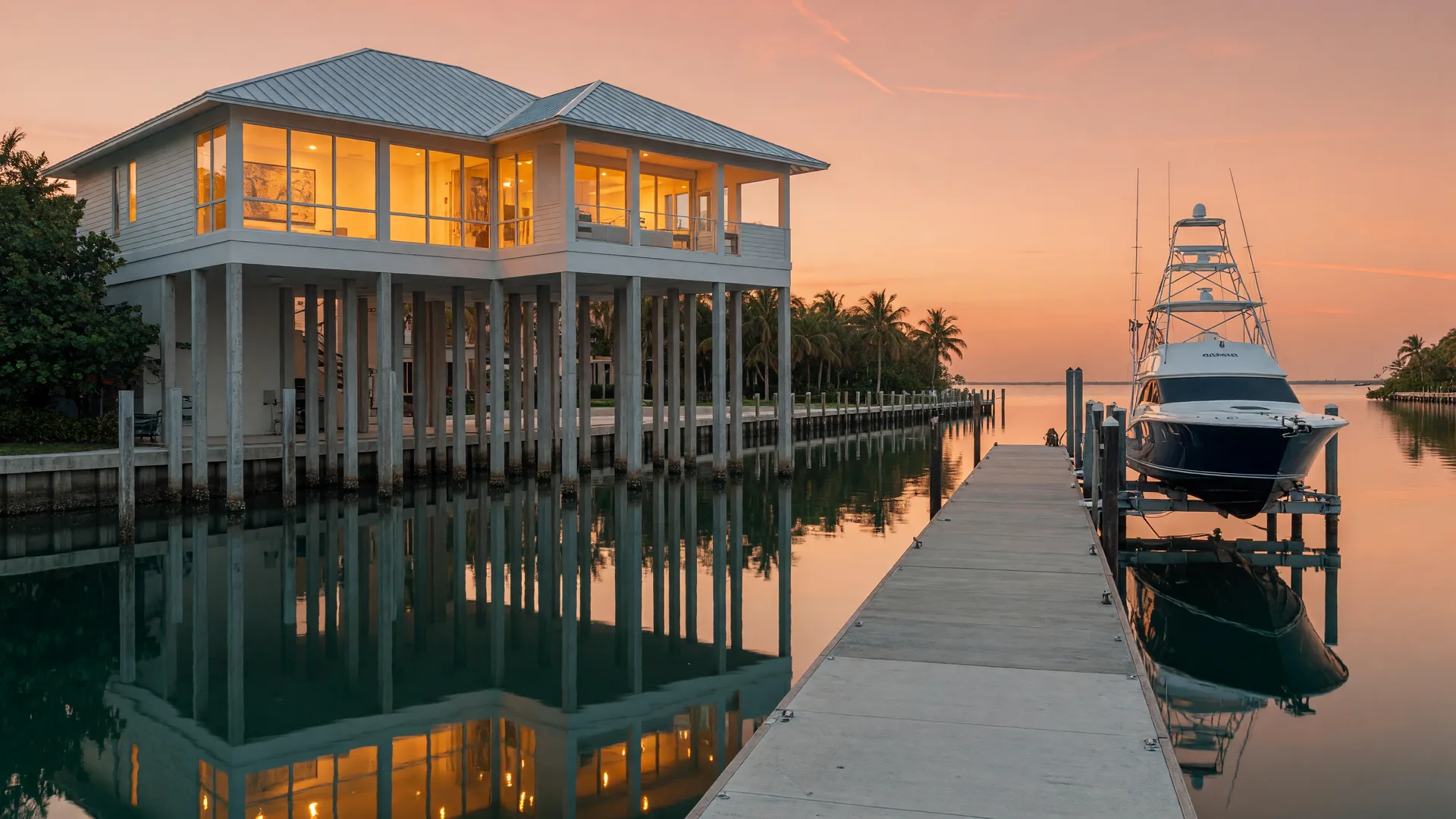
The Florida Keys are low islands, and the homes that succeed here are built to respect that. Monroe County's floodplain rules and federal flood maps work together to set where a waterfront home must sit, and the result is the familiar silhouette of the Keys: a concrete structure raised on pilings, with the living space well above the water and usually a garage, utility space, or open breezeway below.
That silhouette is not nostalgia; it is engineering. Each generation of building codes has pushed required elevations higher, learning from the storms that have shaped the islands. A home built to the current standard is not just compliant; it is a better asset, because it is built for the water conditions it actually lives in. The homes that keep their value decade after decade are the ones whose owners understood that height is not wasted space, it is stored value.
Elevation as an Investment Feature
Elevation is resilience, and resilience is what luxury waterfront buyers are actually paying for. A properly elevated home keeps the living space dry in storm surge, keeps wind from attacking the structure at ground level, and keeps the owners comfortable and secure through the seasons. It also keeps the home insurable, which in the Keys is not a detail; it is a condition of ownership.
The financial logic runs through the paperwork. Flood and wind carriers price risk, and elevation is the biggest single measure of that risk. A home with a strong elevation certificate attracts better coverage at better premiums, and those numbers matter to lenders, to resale buyers, and to the long-term cost of ownership. Over a decade, the difference between a well-elevated home and a marginal one can be sizable in premiums alone, before you ever consider storm damage. My guide to insurance and flood zone requirements in the Florida Keys walks through exactly how these quotes are built.
Reading the Elevation Certificate
The elevation certificate is the document that proves a home's height, and every waterfront buyer should see it before making an offer. It records the flood zone, the base flood elevation for that area, and the actual elevation of the lowest floor. The gap between those two numbers, the freeboard, is the measure of how safely the home sits above the flood line. More freeboard means less risk, and less risk means more value.
The certificate also answers practical questions: where the lowest floor really is, whether the home is in a high-velocity flood zone, and whether the structure was built to current standards or grandfathered under an older rule. Grandfathered homes can be excellent value, but the buyer should understand what the elevation actually is, not what the seller hopes it is. When I represent buyers, the elevation certificate is one of the first documents I ask for, and it is the file that separates informed buyers from surprised ones.
Pilings and the Quality of the Lift
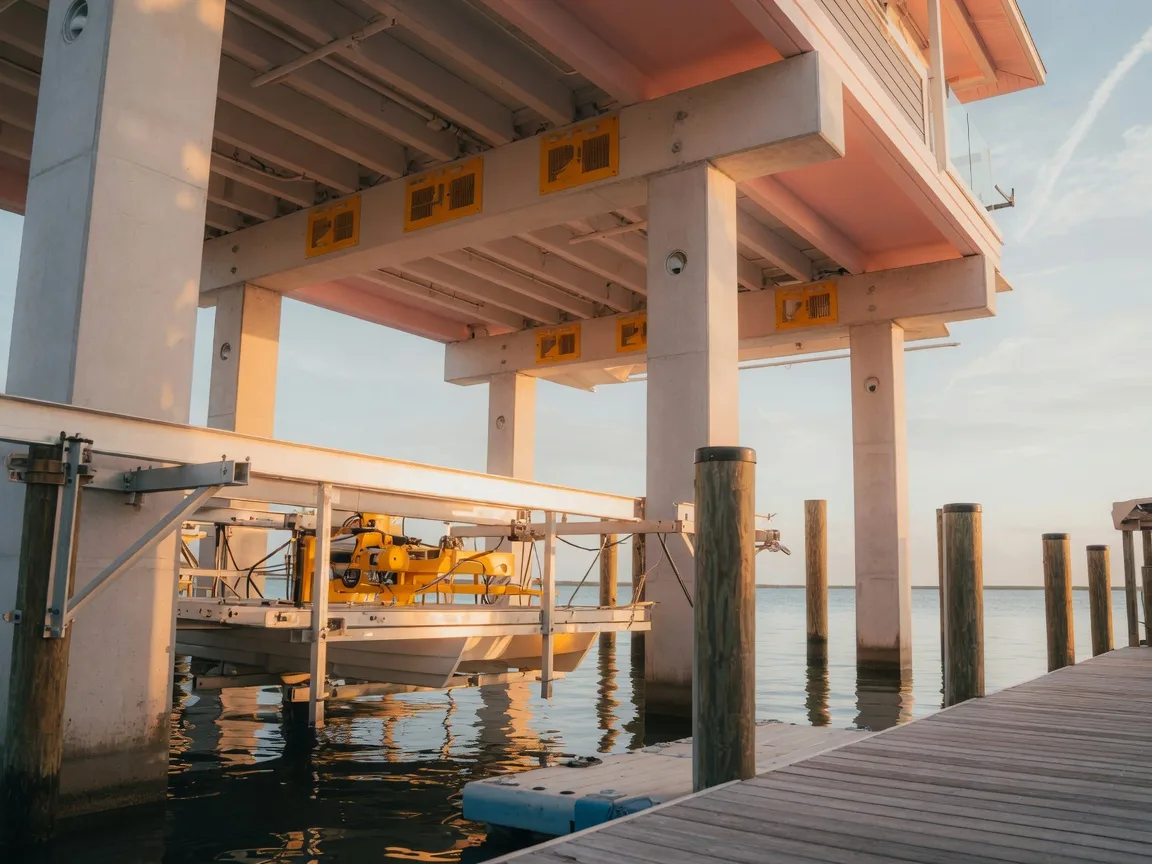
Elevation is only as good as the structure holding it up. In the Keys, concrete pilings are the standard for waterfront construction, driven deep and tied into the structure so the whole building works as one system. A buyer should look past the finished interior to the bones: the size and condition of the pilings, the pile caps, the ties, and the open flow-through design of the ground level that lets surge pass beneath without battering the structure.
Flood vents and breakaway walls are part of that same system, and so is the roof-to-piling connection that holds the entire package together in wind. This is where the contractor's eye changes the conversation. A general walkthrough treats the elevation as a given; an inspector who has built on the water asks whether the pilings are sound, whether the connections are current, and whether the next storm will meet a system or a collection of parts. My contractor's guide to evaluating a Florida Keys waterfront home covers the structural checklist item by item.
What Elevated Luxury Looks Like in Practice
The rewards of a properly elevated home are visible every day, not just in storms. The living level sits above the seawalls and mangroves, so the water views carry across the canal instead of stopping at the neighbor's dock. The elevation opens the ground floor to covered parking, boat storage, and shade, the practical spaces a waterfront lifestyle actually needs. And the height itself reads as confidence: an elevated estate on strong pilings presents a different presence on the water than a low sprawl of a house.
In the luxury market, buyers have learned to recognize the difference. A home that was designed for elevation, with the living floor placed for light, views, and airflow, simply photographs, tours, and sells better than one where the height is merely a requirement to be met. The best Keys waterfront architects treat the pilings as the opening move of the whole composition, and the market rewards that thinking. For the wider picture of how construction quality shapes value, read how storm-resilient construction drives luxury value in the Florida Keys.
What the Appraiser and the Lender See
Elevation reaches into the numbers before you ever close. The appraiser compares your contract price to closed waterfront sales and adjusts for the features that change risk and value, and elevation sits near the top of the list: the height of the living floor, the quality of the foundations, the flood zone, and the condition of the seawall and dock all move the final number. A home that documents strong elevation tends to protect the appraisal, while a home that cannot produce its certificate invites a discount.
Lenders see the same signals. Flood coverage must be in place before closing, and the premium is built from the elevation math, so a well-elevated home is simply easier to finance. In the luxury market, where many purchases are cash or high-equity, the lender's view matters less, but the appraiser's view still sets the floor under the deal if anything on the financing side changes. My guide to how the appraisal works when you buy a Florida Keys waterfront home walks through the adjustments that move the final number.
How Buyers Should Compare Elevation
When you look at two comparable waterfront homes, add the elevation certificate to the comparison alongside the kitchen and the dock. Ask three questions: What is the lowest floor elevation? How much freeboard sits between that floor and the base flood elevation? And is the structure built to current code, or grandfathered under an older standard? The answers explain differences in insurance, in financing, and in the resale conversation five or ten years from now.
The same discipline applies to renovations. An existing home can be elevated, and I have guided owners through the engineering and the numbers, but it is a major project with permitting, cost, and a period of living around construction. The guide to renovation and new construction on Keys waterfront lots covers the choices, and the complete waterfront inspection checklist makes sure elevation and pilings are checked in the field, not just on paper.
The Bottom Line
Elevation is the quiet foundation of luxury value on Florida Keys waterfront. It protects the home, the owners, and the investment, and it shows up in the insurance quote, the lender's file, and the next buyer's checklist. When you evaluate a waterfront property, raise your eyes: the height of the living floor and the quality of the pilings beneath it tell you more about the home's true value than any finish in the kitchen.
If you are comparing elevated waterfront homes across the Upper Keys, contact Steve Conley at (305) 393-5859. With contractor and inspector licenses alongside 30 years of Keys transactions, he reads elevation, pilings, and the documents behind them, and he can tell you which homes are built for the long run and which are merely pretty from the dock.
Height,
in answers.
Why are Florida Keys waterfront homes built on pilings?
Pilings lift the living space above storm surge and floodwater while letting water and wind move beneath the structure. The system ties the whole building to deep sound ground and is the foundation standard for waterfront construction in the Keys, where elevation is the primary measure of resilience.
What is an elevation certificate and why does it matter?
An elevation certificate is a surveyor-verified document that records a home's flood zone, base flood elevation, and the elevation of the lowest floor. It is the paperwork that flood insurers, lenders, and appraisers use to price risk, and it is the fastest way for a buyer to understand a waterfront home's true height and exposure.
Does a higher elevation really lower flood insurance costs?
Yes. Flood premiums are built around the relationship between the lowest floor and the base flood elevation. More freeboard, the buffer between the two, means less risk, and less risk is reflected in the quote. A well-elevated home with a clean certificate is consistently easier and less expensive to insure than a marginal one.
Do all luxury waterfront homes in the Keys need the same elevation?
No. Required elevation depends on the flood zone, the base flood elevation for that specific area, and the date and standard the home was built under. Some homes are grandfathered under older rules and can be excellent value, but the buyer should know the actual numbers, not just the zone letter, before making an offer.
How much value does elevation add to a Keys waterfront home?
Elevation does not carry a fixed premium; it carries a compound one. It lowers insurance, protects the structure, satisfies lenders, and makes the home easier to sell to informed buyers. Across ownership and resale, a properly elevated, well-documented home consistently outperforms a comparable one that sits closer to the water.
Helpful Resources & Related Guides
Build your Florida Keys waterfront library with the community guides, the contractor-level evaluation checklists, and the buying guidance that protect long-term value.
Internal Resources
- Islamorada Luxury Waterfront Community Guide
- How to Evaluate a Florida Keys Waterfront Home: A Contractor's Guide
- The Complete Florida Keys Waterfront Inspection Checklist
- Storm-Resilient Construction and Luxury Value in the Keys
- Insurance and Flood Zone Requirements for Keys Waterfront Homes
- The Complete Florida Keys Buyer's Guide
- Contact Steve Conley About Your Waterfront Search

Steve Conley
Principal, Conley Sales Group at COMPASS, the exclusive Compass office in the Florida Keys. Licensed Sales Associate, Contractor, and Home Inspector with over 30 years and $1.4 billion in career sales serving the island chain.
Full Bio
Thinking About Buying or Selling
in the Florida Keys?
Steve Conley brings 30 years of Keys expertise, $1.4 billion in career sales, and contractor-inspector credentials to every transaction, from the first tour to the final closing. Let him show you which waterfront homes are built for the long run.
Connect with Steve