
How the Appraisal Works When You Buy a Florida Keys Waterfront Home
Every waterfront purchase leans on one number: the appraised value. Here is how a Keys appraisal is built, what moves it, and how buyers make sure the report tells the truth about the house.
Key Takeaways
- An appraisal is an opinion of value built from recent closed sales of comparable waterfront homes, adjusted for what makes Keys property different from anything on the mainland.
- The adjustments that matter most in the Keys are canal depth, seawall and dock condition, flood zone, water access, and view exposure, not just square footage and bedrooms.
- If the appraisal comes in below the contract price, buyers typically renegotiate, appeal with better evidence, or cover the gap; your financing structure decides which options are open.
- You can review the report, check the comparables, and hand the appraiser documents such as a depth survey or dock permits that help the report reflect everything the property is worth.
- A buyer's team that knows the Keys, from lender to agent, sets the deal up so the appraisal confirms the price instead of challenging it.
The appraisal is the quiet gatekeeper of every financed waterfront purchase in the Florida Keys. The inspection tells you what the house needs, but the appraisal tells the lender what the house is worth, and that number decides how much you can borrow and how much cash you need at closing. This guide explains how a Keys waterfront appraisal is built, which features move the number, and what buyers can do when the report does not match the price they agreed to pay.
Why the Appraisal Decides More Than You Think
In a normal sale, the appraisal feels like a formality: the house is under contract, the inspections are ordered, and the appraisal is one more box to check. In the Florida Keys it deserves more attention, because the gap between what a waterfront home feels like it should be worth and what the market data supports can be wide. A canal with deep water, a rebuilt seawall, and a new lift can justify a price that a generic appraisal grid, built on the wrong comparables, misses entirely.
The appraisal also sets your loan-to-value ratio, which sets your down payment and your mortgage insurance. When the number comes in at or above the contract price, the deal moves smoothly. When it comes in low, the lender only counts the appraised value, so the shortfall lands on you unless you negotiate, appeal, or bring cash. Understanding the process before you make an offer is the difference between a surprise at the end and a smooth closing.
How a Waterfront Appraisal Is Built
A licensed appraiser values a Keys waterfront home the way appraisers value property everywhere: by comparing it to recent closed sales, then adjusting for differences. The sales comparison approach is the workhorse here, because active waterfront inventory is thin and every property is genuinely unique. The appraiser builds a grid with the subject property at the top and three or four recent sales below it, then adjusts each comparable up or down for square footage, bedrooms and baths, condition, lot size, and the waterfront features that drive Keys value.
Two things make the Keys version of this process harder than most. First, the comparable sales are few: on any given island there may be just a handful of deep-water canal closings in the past year, and none of them identical to yours. Second, the features that matter most here, water depth, seawall condition, dock and lift quality, flood zone, and exposure, do not show up on a standard tax record. A good appraiser walks the property, measures the waterfront line, and reads the listing materials closely, and a great one understands that two homes two streets apart can appraise very differently on the strength of their water alone.

The Comparables That Move a Keys Appraisal
Spend five minutes reading a Keys waterfront listing and you will see why comparables are a skill, not a search. Lists are organized by island and neighborhood, but price is organized by water. Two homes of identical size can differ by hundreds of thousands of dollars because one sits on a canal that empties directly to the Atlantic and the other on a dead-end canal with a fixed bridge between the dock and open water. The appraiser has to find sales that match the water story, not just the address story.
The best preparation a buyer can do is learn to read the water details early, which is exactly what my guide to reading a Florida Keys waterfront listing walks through line by line. Canal depth at mean low water, flood zone letter, habitable area, dock and lift notes, and the plain-language clues about whether a property has true boater value. When you and your agent already understand those details before the appraisal is ordered, you can make sure the appraiser receives them too.
The Adjustments Only a Keys Appraiser Makes
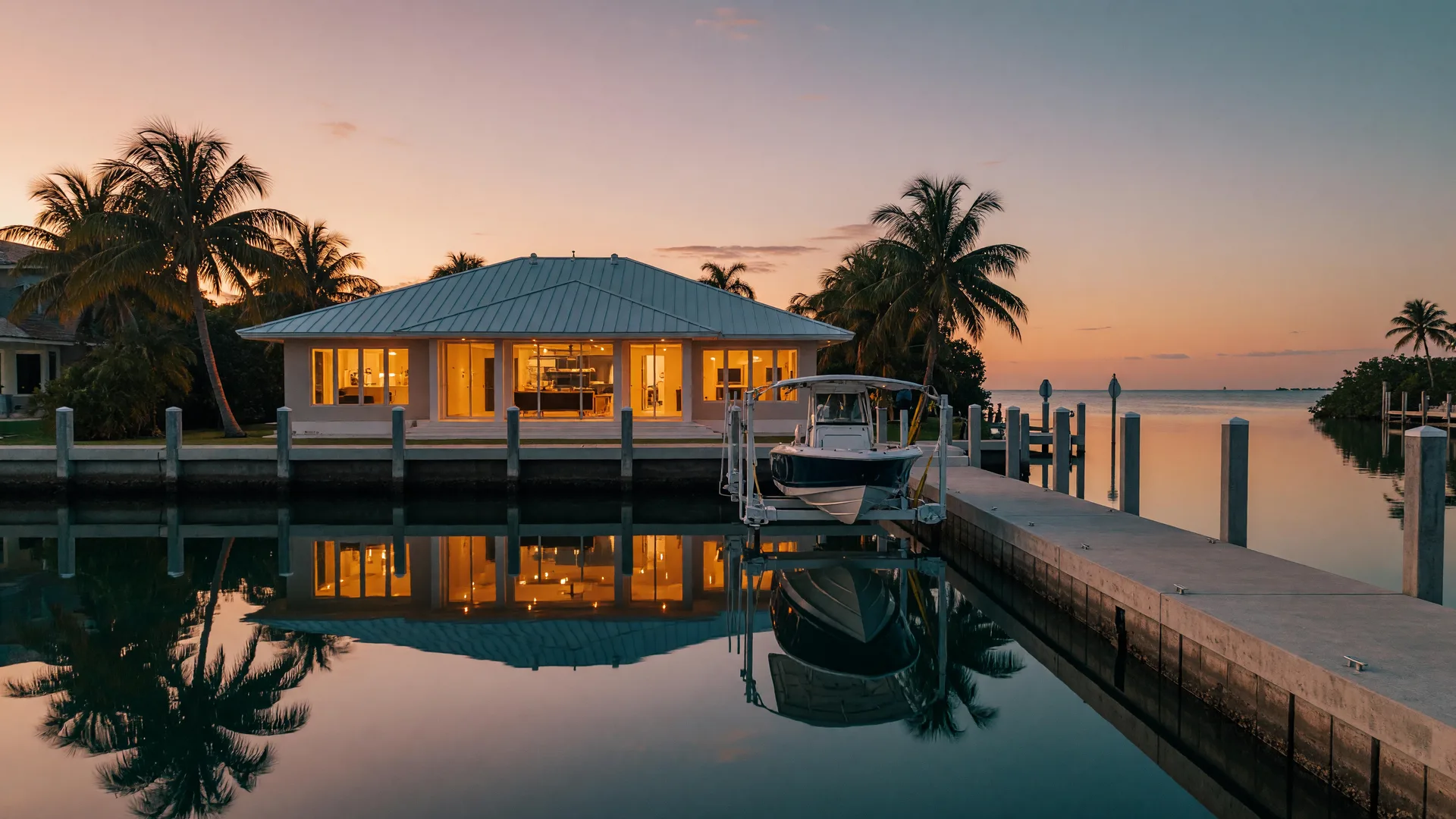
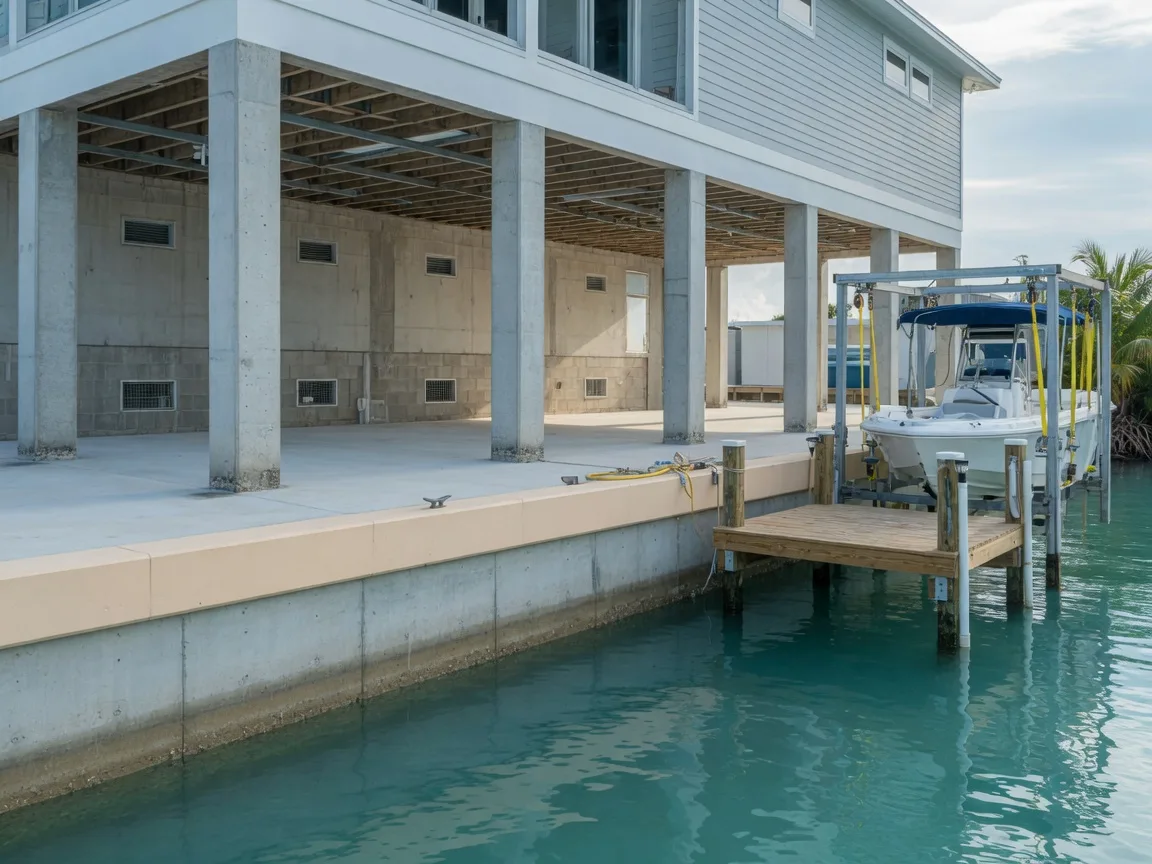
This is where a Florida Keys appraisal reads differently from a mainland one. Water depth at the dock and at the canal mouth can be adjusted for directly, because deep water is the single most reliable value driver in the Upper Keys. A seawall in sound condition, poured and tied back properly, is worth protecting in the valuation, while a spalling, flexing wall is a liability an appraiser should weigh against the home. A dock with a new lift rated for a sportfishing yacht adds value that a rotted finger-pier does not.
Flood zone is a quiet heavyweight. Properties in VE and AE zones carry different insurance realities and different buyer pools, and appraisers account for finished floor elevation and the quality of the structure's storm defenses. Exposure matters too: a sunset view over open water, an unobstructed line of sight across the bay, and a lot that catches the breeze all justify adjustment. My guide to the true cost of buying a waterfront home in the Florida Keys lays out how these same features drive insurance, taxes, and upkeep, because the costs that follow an appraisal shape the value you live with for years.
When the Appraisal Comes in Short
If the appraisal comes in below the contract price, the deal still lives, but the equation changes. With a financed purchase, the lender bases your loan on the appraised value, not the price you agreed to, so the difference either comes out of your pocket or gets renegotiated. In a competitive Keys market, many buyers negotiate the price down to the appraised number when the gap is reasonable. Some offer to split the difference. Others walk, and the seller watches the house return to market and wonders why.
The cleanest option is often the appeal. An appraisal reconsideration of value is a formal request, usually filed by your lender and supported by your agent, that gives the appraiser new evidence: additional closed sales your side believes were missed, a depth survey confirming deeper water than the report used, or receipts for a recent seawall reconstruction, dock rebuild, or new roof. Evidence-based appeals work far more often than emotional ones. A buyer's agent who has navigated Keys appraisals before knows the difference between the data that moves an appraiser and the argument that does not.
How Buyers Can Help the Appraiser
Buyers rarely realize how much they can influence the quality of an appraisal without ever leaning on it. When your offer is accepted, ask your agent to deliver a complete package to the appraiser on your behalf: the listing, the floor plan, the flood zone letter if available, recent depth and survey documents, dock and seawall permits with completion dates, and the record of any upgrades with invoices. A clean, organized file signals a well-documented property and saves the appraiser from guessing.
Do the same homework before you tour. When you are comparing homes, note the water details the way a contractor would, because that is the lens an appraiser uses. If your boat is part of the purchase, my guide to buying a Florida Keys waterfront home for your boat shows how dockage, draft, and deep-water access translate into the features an appraiser actually adjusts. The home that appraises at its price in the Keys is usually the home whose waterfront story was documented, not just described.
The Appraisal in Your Buying Timeline
In a typical financed transaction, the appraisal is ordered within days of the accepted offer, after the lender receives the contract and you complete your application. In Monroe County's market, where waterfront inventory is scarce, that timing protects everyone: the earlier the appraisal is ordered, the sooner you know whether the number confirms your offer and the more room you have to negotiate or appeal before the closing date arrives.
Cash buyers hear they do not need an appraisal, and technically they do not, because no lender requires it. Many experienced cash buyers in the Keys order one anyway, sometimes informally, because the report is worth its cost in confidence: it reveals how the market views features you might be paying a premium for, and it gives you leverage if you ever sell in a financed market. Whether you are financing or paying cash, the complete Florida Keys buyer's guide will orient you in the process, and my Keys luxury market report gives the price context the appraisal is supposed to confirm.
The appraisal is not the scariest part of a Keys purchase, and it should not be a surprise. It is a test of how well the property was understood, documented, and priced from the start. Walk into it with clean comparables, honest water details, and an agent who has argued these reports before, and the number usually tells the story you already know. If you are preparing to buy in the Upper Keys, call Steve Conley at (305) 393-5859 and bring your shortlist. We will read every home the way an appraiser, a contractor, and an inspector do, so the number at closing confirms the decision you made at the dock.
The number,
before the closing.
Who orders the appraisal when I buy a Florida Keys waterfront home?
The lender orders the appraisal through a third-party management company so the appraiser stays independent, and the buyer pays for it through your loan fees. You normally do not pick the appraiser, but your agent can supply the property documentation the appraiser needs.
How much does a Florida Keys waterfront appraisal cost?
Expect a waterfront appraisal to cost more than a typical mainland appraisal because the property is complex and the travel and research are real. Budget for it as part of closing costs, and ask your lender for the exact fee in your loan estimate.
What happens if the appraisal comes in lower than my offer?
You can renegotiate the price toward the appraised value, appeal the report with better comparable sales and documents, cover the gap in cash, or walk away under the appraisal contingency. A knowledgeable agent helps you choose the option that fits the market.
Do cash buyers need an appraisal in the Florida Keys?
No lender requires one, so it is optional, but many experienced cash buyers order one anyway for peace of mind and for ammunition if they later sell to a financed buyer. It is a modest cost for a professional read on the property's market value.
How do appraisers value docks, boat lifts, and canal depth?
Waterfront improvements are adjusted based on what recent comparable sales show buyers paying for them. In the Keys, deep water at mean low water, sound seawalls, and rated lifts consistently move the grid, which is why documenting them matters before the appraisal, not after.
Helpful Resources & Related Guides
Build your Florida Keys buying library with these related guides on listings, costs, the tour, and the market data an appraisal is meant to confirm.
Internal Resources
- Key Largo Luxury Waterfront Community Guide
- How to Read a Florida Keys Waterfront Listing
- The True Cost of Buying a Waterfront Home in the Florida Keys
- Touring Florida Keys Waterfront Homes: From Dock to Roofline
- The Complete Florida Keys Buyer's Guide
- Florida Keys Luxury Market Report
- Contact Steve Conley About the Appraisal Math

Steve Conley
Principal, Conley Sales Group at COMPASS, the exclusive Compass office in the Florida Keys. Licensed Sales Associate, Contractor, and Home Inspector with over 30 years and $1.4 billion in career sales serving the island chain.
Full Bio
Thinking About Buying or Selling
in the Florida Keys?
Steve Conley brings 30 years of Keys expertise, $1.4 billion in career sales, and contractor-inspector credentials to every transaction, from the first tour to the final appraisal. Walk the docks with someone who reads both like a spec sheet.
Connect with Steve