
Living Through Hurricane Season in the Florida Keys: A Community Guide to Preparation and Peace of Mind
Hurricane season is part of the deal when you live in paradise. Here is what the season actually feels like on the islands, how residents prepare home and boat, and how the community carries each other through it.
Key Takeaways
- Hurricane season runs June 1 through November 30, and living with it is a skill residents practice every year, not a one-time worry.
- Preparation becomes a calm routine: shutters, supplies, generators, and a boat plan turn stress into a manageable checklist.
- The community is the real weather insurance: neighbors watch each other's homes and boats, share supplies, and gather after the storm passes.
- Buyers who understand the season make better decisions: the condition of a home, the quality of its construction, and the habits of its neighbors all come into focus.
- Evacuation zones exist for a reason, and knowing your zone, and your neighbor's plan, is part of being a good island citizen.
Hurricane season in the Florida Keys runs from June 1 to November 30, and for anyone considering a home here, it deserves an honest answer to one question: what is it actually like to live through? The truth is that the season becomes part of the rhythm of island life, less a source of constant fear and more a well-practiced routine. Residents prepare their homes, secure their boats, watch the tropics together, and, when a storm threatens, look after one another. This guide explains how the community lives through the season, so your buying decision is grounded in the real experience, not in magazine photos of sunny docks.
I have lived and worked in the Keys through more hurricane seasons than most buyers have birthdays. The islands are resilient because the people are prepared, and the preparation is community-wide. If you are shopping for a waterfront home from afar, that shared diligence is exactly what protects your investment, and it is one of the best reasons to buy into a neighborhood that has been through the seasons together.
The Shape of the Season
The season opens quietly in June, when the early systems are forming far out in the Atlantic, and it builds through the late summer months, when the water is warmest and the storms are most likely to spin up. By late August and September, the tropics forecast is part of everyday conversation, the way the market is in a real estate meeting. Residents learn to read the cone, to distinguish a watch from a warning, and to treat a named storm as a planning event rather than a crisis.
What surprises newcomers is how much of the season is ordinary. There are long stretches of perfect weather, of calm water and brilliant afternoons, and the preparation happens in the background. The islands are small and the information travels fast, which means everyone knows what is coming long before the first band of rain arrives. That shared awareness is one of the quiet strengths of life here, and it is part of why the sense of community in the Upper Keys runs so deep.
The Preparation Ritual
Preparation in the Keys is a routine, not a scramble. Early in the season, residents check their shutters, test their generators, top off the fuel, and restock the basics: water, batteries, canned goods, and the medical supplies no one wants to hunt for in a storm. The checklist becomes muscle memory, and by the time a serious storm is on the radar, the heavy lifting is already done. That is the secret the islands live by: do the work calmly in June, and September is just a matter of execution.
Homes built or renovated to modern Keys standards make the routine easier. Impact-rated windows and doors, a standing-seam metal roof, and proper elevation mean the shutter drill is shorter and the worry is smaller. My guide to storm-resilient construction and luxury value in the Keys explains why these details matter so much, and why buyers who prize them are making an investment decision, not just a comfort choice.
Boat People Plan First
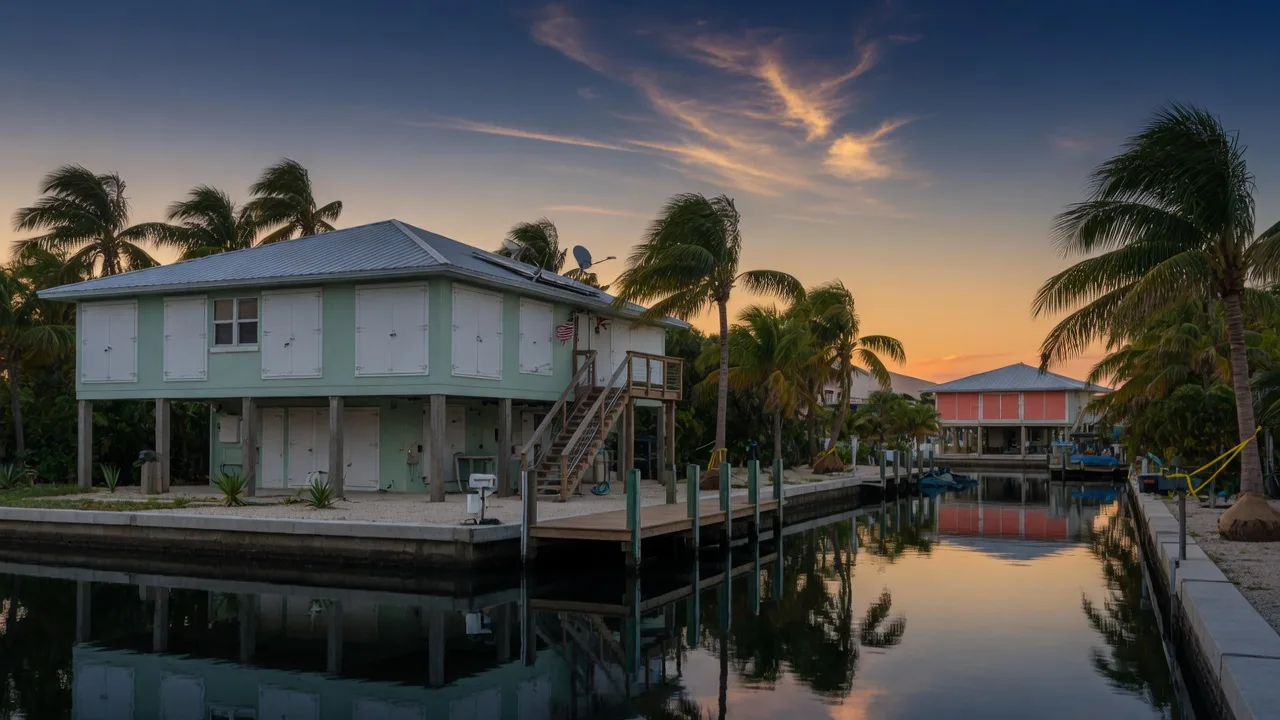
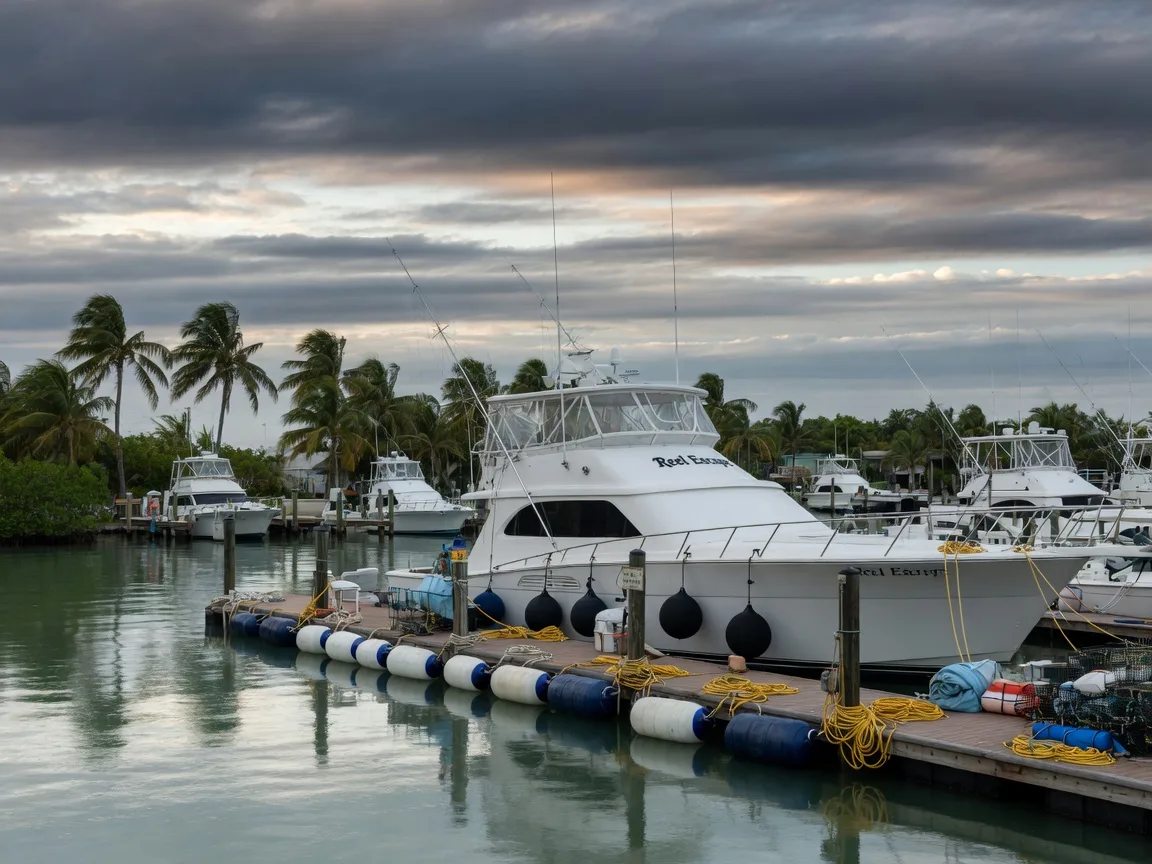
A community of boat owners handles its fleet the way a harbor master would. When a storm threatens, lifts are checked, lines are doubled, fenders are set, and boats that can be hauled are hauled. Marinas coordinate haul-outs and secure vessels in protected basins, and the phrase hurricane hole, a protected canal or harbor that shelters boats from the worst of the wind, becomes part of the local vocabulary.
The boat drill reveals a lot about a neighborhood. Streets where every lift is empty and every boat is secured before the storm are streets where the owners know what they are doing, and that is exactly the kind of neighbor you want. For a waterfront buyer, the season is the most honest inspection of a community you will ever get, because it shows who prepares, who helps, and who stays to look after the street.
The Only Way Out Is U.S. 1
One fact shapes every evacuation conversation in the Keys: there is a single road out, U.S. 1, running the length of the island chain. That is exactly why Monroe County controls growth so carefully, and why evacuation planning is serious business. Residents know their evacuation zone and their route, they know whether they intend to leave or shelter, and they make the decision early, when the road is still clear for everyone.
For buyers, the practical takeaway is calm and simple. Purchase with an exit plan in mind, keep the option of leaving open, and treat evacuation orders as the community-wide event they are. The county publishes zone maps and emergency guidance, and every seller I work with can tell you their zone without checking. Ours is a community that has thought about this, and the relocation guide for new Keys residents walks through the practical planning a new owner should absorb in the first season.
What New Residents Get Wrong
The most common mistake new residents make is waiting to prepare. The season is long, the forecast is rarely urgent on any given Tuesday, and it is easy to let June slide into August with the shutters untested and the generator unserviced. The residents who live through their first storm calmly are the ones who treated preparation as a spring chore, like tuning the boat or organizing the garage before the heat arrives.
The second mistake is skipping the conversation with neighbors. The street has been through seasons you have not. Ask the veteran on the dock how the canal behaves in a surge, where the water comes up first, and which marina hauls boats fastest when a named storm forms. That local knowledge is free, and it is worth more than any app on your phone.
The third is ignoring the zone. Know your evacuation zone before you need it, keep the car ready, and understand the difference between a voluntary and a mandatory order. A calm decision made early beats a rushed decision made late, and on an island chain with one road out, early is the entire game. None of this is fear. It is the same diligence a smart buyer brings to an inspection report, applied to the season itself.
Neighbors, Not Strangers
The part no brochure can capture is what happens after the storm. In the Keys, the hours after a system passes are when the community is at its best. Neighbors check porches and shutters on the same street, clear the road together, share power and water, and fire up the grill for the block. The storm becomes the shared story, and the street becomes closer than it was before.
This is not sentiment, it is infrastructure. A neighborhood that has weathered storms together has tested its networks: who has a generator, who has a chainsaw, who knows how to fix a dock after a surge. Buyers who see a street full of strong, well-maintained homes with good neighbors are buying into that tested network, and it is worth as much as any feature in the listing. It is one of the reasons the quiet season, and the community life that persists when the visitors leave, feels so different from a resort vacation.
What This Means for Buyers
If you are weighing a Keys purchase, treat hurricane season as part of the due diligence, not a reason to hesitate. Ask the seller how the property performed in the last storm, request the elevation certificate, check the age of the roof and the impact glass, and read my insurance and flood zone guide for Keys buyers so the coverage conversation starts early. Then take a walk down the street and watch how the neighbors keep their docks and boats. That walk tells you more about living through the season than any report.
Ask the same three questions on every tour: How old is the roof and the impact glass? What does the elevation certificate say? And how did the property, and the street, come through the last named storm? In a market where so much of the value lives in the construction and the community, those answers are worth more than any countertop, and they tell you exactly how prepared your purchase will be on day one.
The islands have absorbed storms, rebuilt, and kept going for generations, and that resilience is exactly what makes waterfront property here a lasting asset. Buy into a strong street, prepare like the locals prepare, and the season becomes one more rhythm of island life, like tides and tourist season. When you are ready to look at homes with that lens, the Islamorada community guide is a great place to start, and when you want a firsthand walk-through of a property's storm story, call Steve Conley at (305) 393-5859.
Season questions,
answered honestly.
When is hurricane season in the Florida Keys?
The Atlantic hurricane season runs from June 1 through November 30, with the peak of activity typically falling in late summer and early fall. Residents treat the full window as the season to be aware of, while most of the energy arrives between mid-August and October.
Is it safe to live in the Florida Keys during hurricane season?
Yes, with preparation. The Keys are exposed to tropical systems, which is why modern construction standards, elevation, impact glass, and metal roofs are so common here, and why evacuation zones and single-road planning are taken seriously. Residents prepare early and calmly, and the community watches out for one another, which makes the season manageable.
Do I need special insurance for a Florida Keys home?
Yes. Flood insurance through the National Flood Insurance Program and separate wind coverage are standard for Keys waterfront owners, along with the homeowners policy. The right coverage starts with your elevation certificate and the age and construction of the roof and windows. Planning the insurance stack early is part of a sound purchase.
How do Keys homeowners protect their boats during a storm?
Boat owners use lifts, extra lines, fenders, and protected basins, and many choose to haul their vessels at a marina when a storm approaches. Communities with a good hurricane hole, a protected canal or harbor, give boat owners a reliable place to shelter their vessels, which is why boat-owning buyers weigh it so heavily.
What is an evacuation zone in the Florida Keys?
An evacuation zone is an area classified by vulnerability to storm surge and flooding. When a storm threatens, Monroe County issues evacuation orders by zone, and because U.S. 1 is the only road out, residents plan their departure early and know their zone in advance. Buyers should learn their zone and their route as part of moving in.
Helpful Resources & Related Guides
Learn more about community life, hurricane-prepared construction, and the real experience of owning a home in the Florida Keys.
Internal Resources
- Islamorada Luxury Waterfront Community Guide
- Built to Withstand: How Storm-Resilient Construction Drives Luxury Value
- Insurance and Flood Zone Requirements for Keys Waterfront Buyers
- The Quiet Season in the Florida Keys: Community Life When the Crowds Leave
- Moving to the Florida Keys: A Complete Relocation Guide
- Contact Steve Conley about Community and Lifestyle

Steve Conley
Principal, Conley Sales Group at COMPASS, the exclusive Compass office in the Florida Keys. Licensed Sales Associate, Contractor, and Home Inspector with over 30 years and $1.4 billion in career sales serving the island chain.
Full Bio
Thinking About Buying or Selling
in the Florida Keys?
Steve Conley brings 30 years of Keys expertise, $1.4 billion in career sales, and contractor-inspector credentials to every transaction. Start with a conversation about the life you want on the water.
Connect with Steve