
Moving to the Florida Keys: A Complete Relocation Guide for New Residents
The Florida Keys are as much a way of life as a destination. Here is how to choose your community, settle in, and become part of the islands for the long term.
Key Takeaways
- The Keys are a chain of distinct communities, not one place. Key Largo, Tavernier, Islamorada, Marathon, and Big Pine Key each have a different pace, character, and style of waterfront living.
- Community life in the Keys happens on the water: on the docks, at the boat ramps, at the marinas, and at the local markets and art walks. Settling in means getting involved where the locals gather.
- The islands have two rhythms: the busy winter season and the quieter months in between. Full-time residents tend to love the quiet season best, when the community belongs to the people who live there.
- Moving here takes real planning, from insurance and the hurricane season to schools, services, and the practicalities of daily island life. The right preparation makes the transition far smoother.
- Choosing the right home is the first step, and it is easier with an agent who knows every community, not just one. The right match between your lifestyle and your island is what makes the move last.
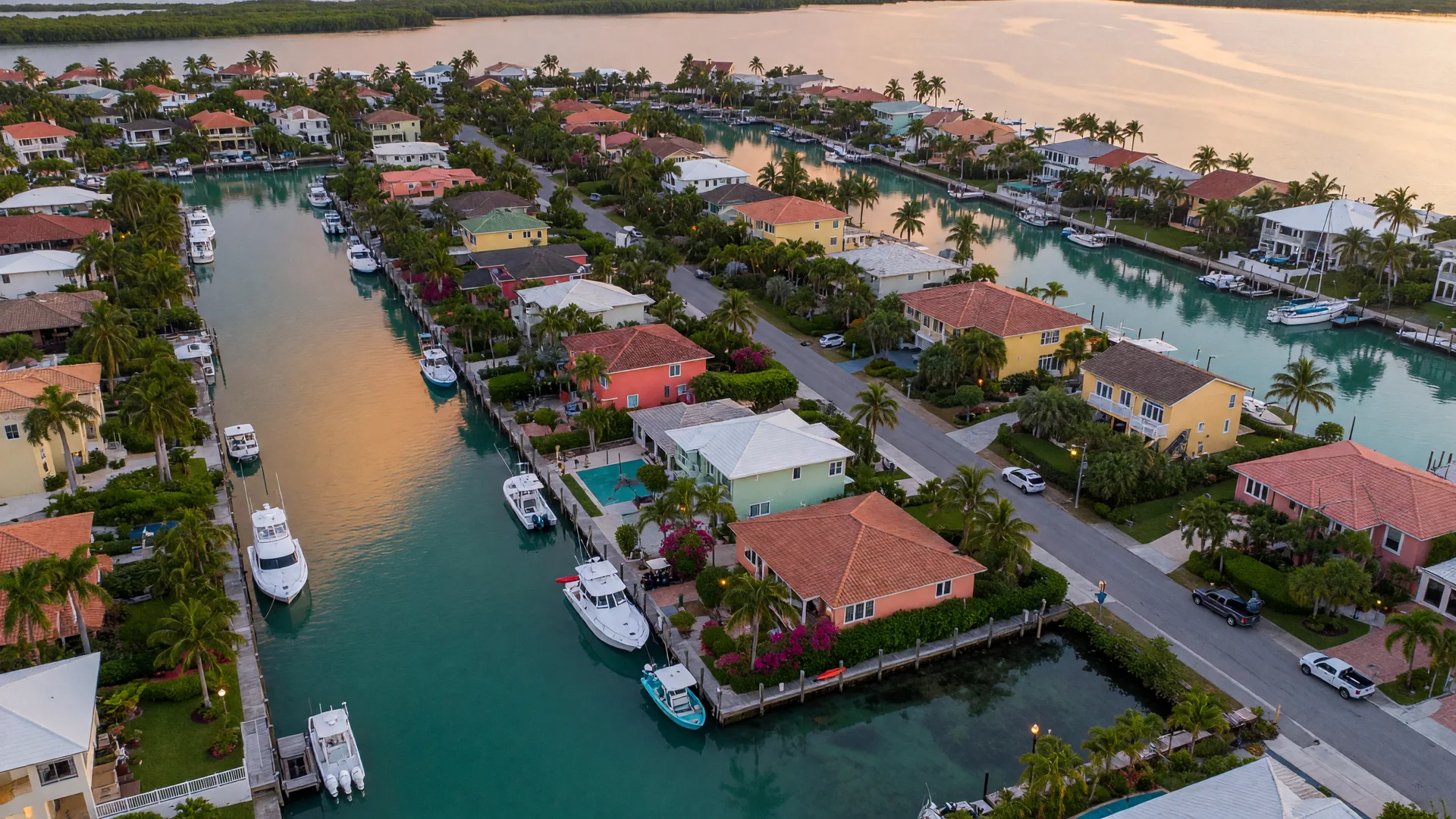
The Florida Keys are one long island chain, but they are not one place. From the gateway of Key Largo in the north to the quiet of Big Pine Key and the Lower Keys in the south, each community has its own pace, its own character, and its own relationship to the water. If you are thinking about moving here full time, the single most important decision is not which house you buy, it is which community you choose to call home. This guide is built around that decision and everything that follows it.
I have worked the Keys market for over three decades, and I have watched countless buyers arrive as visitors and leave as neighbors. The ones who thrive are not the ones who bought the biggest house. They are the ones who found the community that fit them, who put their boat in the water, who learned the local rhythm, and who let the islands become home rather than just a view.
Choosing Your Community
The first step in any Keys move is matching yourself to an island. Start with our Florida Keys community guides, which lay out each island's character and waterfront style. Here is the short version of how they differ.
Key Largo is the northernmost and most connected community, about an hour from Miami, with deep-water canals, easy access to the reef, and a well-developed luxury market. It is the natural choice for buyers who want proximity to the mainland without giving up island life. See the Key Largo community guide for the full picture.
Tavernier, just south of Key Largo, is the quietest of the Upper Keys villages: deeply residential, calm canals, and an unhurried pace that appeals to buyers who want privacy and genuine neighborhood life. Discovering Tavernier captures its quiet luxury.
Islamorada is the Sportfishing Capital of the World, a string of villages with world-class fishing, a vibrant arts district along Morada Way, and waterfront dining at nearly every turn. It draws buyers who want both an active water life and a sophisticated community. Our Islamorada community guide walks through it.
Marathon is the heart of the chain and the most full-time town in the Keys, with a hospital, schools, an airport, and deep-water access on both the Atlantic and the Gulf. It is the best match for buyers who want genuine year-round services and community. The Marathon living guide explains why.
Big Pine Key and the Lower Keys trade polish for space and nature: protected canals, Key Deer, backcountry flats, and the lightest human footprint in the chain. For those who came for quiet, it is unmatched. See the Big Pine Key community guide.
Becoming Part of the Community
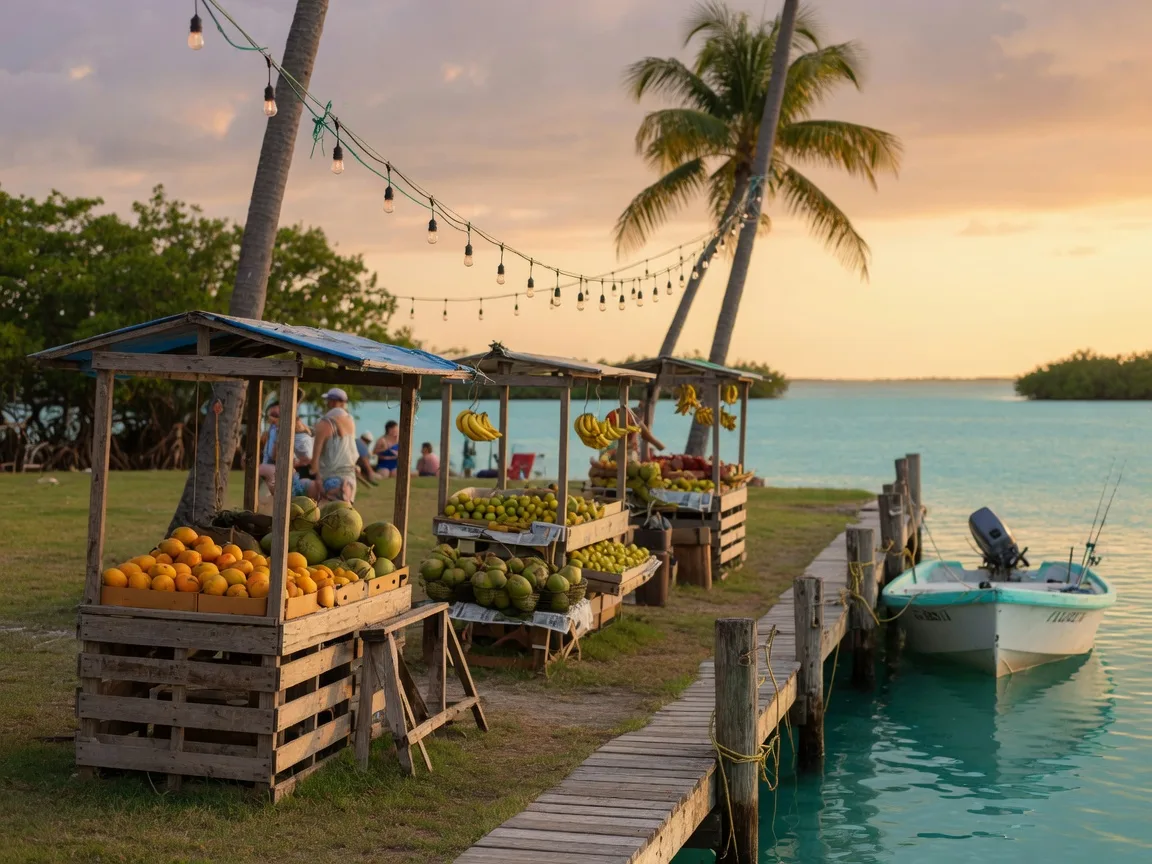
Community life in the Keys happens on the water and around it. The docks are the front porches, the marinas are the town squares, and the local gathering places are where neighbors actually connect. The fastest way to feel at home is to show up where the locals do.
In the Upper Keys, that means the Saturday morning farmers market, the monthly art walks in Islamorada, the waterfront restaurants where the regulars know your name, and the sunset rituals that anchor island life. Our Florida Keys community event calendar is a great place to start, and The Sense of Community in the Upper Florida Keys describes the neighborhood rhythm in detail.
If you arrive with a boat, you will find your community faster than almost anyone. The docks are the great equalizer in the Keys, and boaters are famously welcoming. Put the boat in the water, say hello to the neighbors on the next canal, and join the evening cockpit conversations. That is how most transplants make their first real friends here.
The Two Rhythms of Island Life
New residents often need to learn the calendar as much as the geography. The Keys have a busy season, roughly the winter holidays through early spring, when the islands fill with visitors. Then the season relaxes, and the quiet months take over. Both are part of the deal, and both have their pleasures.
Many full-time residents quietly admit that the quiet season is the best time to live here: the water is uncrowded, the restaurants are easier to get into, and the community belongs to the people who chose it. The Quiet Season in the Florida Keys explains what that feels like, and Year-Round Living in Key Largo paints the everyday picture.
A Week in the Life
Once you are settled, the week takes on a rhythm that new residents quickly come to love. The morning belongs to the water: coffee on the dock, an early run across the bay, or simply watching the light come up over the flats. The school and work hours keep a normal mainland rhythm, but the evenings slow down beautifully. Sunset is the appointed hour across the islands, when the docks fill with neighbors and the waterfront restaurants ease into their regular crowd.
The weekend is where the community really shows up. Saturday starts at the farmers market, where the same faces appear week after week and slowly become familiar ones. The afternoon belongs to the boat: a run across the shallows, an afternoon chasing tarpon, or a slow cruise with no particular destination. Sunday ends with grills along the marina, boats rafted up in the shallow sandbars, and neighbors trading the week's catch stories. These small rituals are what turn a new address into a home.
The practical side of island life is smooth but different. Most daily services are spread along the Overseas Highway, and the bigger needs, the hospital and the airport, are in place where you need them. Shopping takes a little more planning than on the mainland, and good tradespeople book ahead. None of it is hard. It is simply a more intentional pace, and residents will tell you the trade is worth it every day of the year.
What the Move Really Involves
The Keys are a wonderful place to live, and they are also a real place with real practicalities. Be honest with yourself about the full picture before you commit.
Insurance and the hurricane season. Flood and windstorm coverage are part of every Keys budget, and being prepared for the storm window is part of the culture here. Buyers who understand elevation, impact protection, and insurance early are always glad they did. Our Insurance and Flood Zone Buying Guide walks through it.
Schools and services. Families will want to look closely at each community's schools and services. Marathon stands out for its full-time infrastructure, while the Upper Keys spread their schools and services across Key Largo and Islamorada. Visit during the school year if you are moving with children, and check the daily commute you will actually drive.
The cost of living. Island living costs more than the mainland, from groceries to tradespeople, and it is worth budgeting for. At the same time, the waterfront lifestyle delivers daily value that a spreadsheet cannot measure. The Florida Keys luxury market report gives you a clear read on what homes cost in each community.
Making the Move Work
The smoothest moves start with a clear plan and the right local guidance. If you are buying as a second home and relocating later, or buying your full-time home now, the buying process is the foundation. Pair this guide with Buying a Florida Keys Waterfront Home as a Second Home and the complete buyer's guide to understand the process from offer to closing.
Then, once you are here, give yourself time. The Keys do not reveal themselves in a weekend. They reveal themselves over a quiet season on the dock, a summer of sunsets, and the first time a neighbor waves you over to look at the tarpon rolling in the canal. That is the moment you stop being a visitor and start being a Keys resident.

Steve Conley
Principal, Conley Sales Group at COMPASS, the exclusive Compass office in the Florida Keys. Licensed Sales Associate, Contractor, and Home Inspector with over 30 years in the Keys market.
Full BioMoving to the Keys,
what to know.
Which Florida Keys community is best for full-time living?
Marathon is the most full-time town in the chain, with a hospital, schools, an airport, and year-round services. The Upper Keys offer strong options too, and the right answer depends on your lifestyle, whether you want proximity to Miami, deep-water fishing access, or a quieter, more natural pace.
How do new residents meet people in the Florida Keys?
The community happens on the water and around it: farmers markets, art walks, waterfront restaurants, and especially the docks and marinas. If you arrive with a boat, you will connect fastest. Showing up at the same local spots regularly is how most transplants build their circle.
Is the quiet season a good time to relocate?
Yes. The quiet season is the most honest time to experience the Keys, when the water is uncrowded and the community belongs to the people who live there. It is also the best time to make an informed decision about which island truly fits you.
What should new residents budget for beyond the home price?
Insurance is the big one: flood and windstorm coverage are part of every Keys budget. Add in the slightly higher cost of goods and services on the islands, plus the ongoing care of a waterfront home, and plan accordingly. A clear budget early makes the move far smoother.
Do I need to buy a home before I move to the Keys?
No. Many buyers spend a season renting in the community they are considering, which is a great way to test the fit before committing. When you are ready, an agent who knows every community can help you match the right home to the right island.
Helpful Resources & Related Guides
Discover more about the Florida Keys lifestyle, communities, and what it takes to make the islands home.
Internal Resources

Thinking About Buying or Selling
in the Florida Keys?
Steve Conley brings 30 years of Keys expertise, $1.4 billion in career sales, and contractor-inspector credentials to every transaction. Start with a conversation.
Connect with Steve