
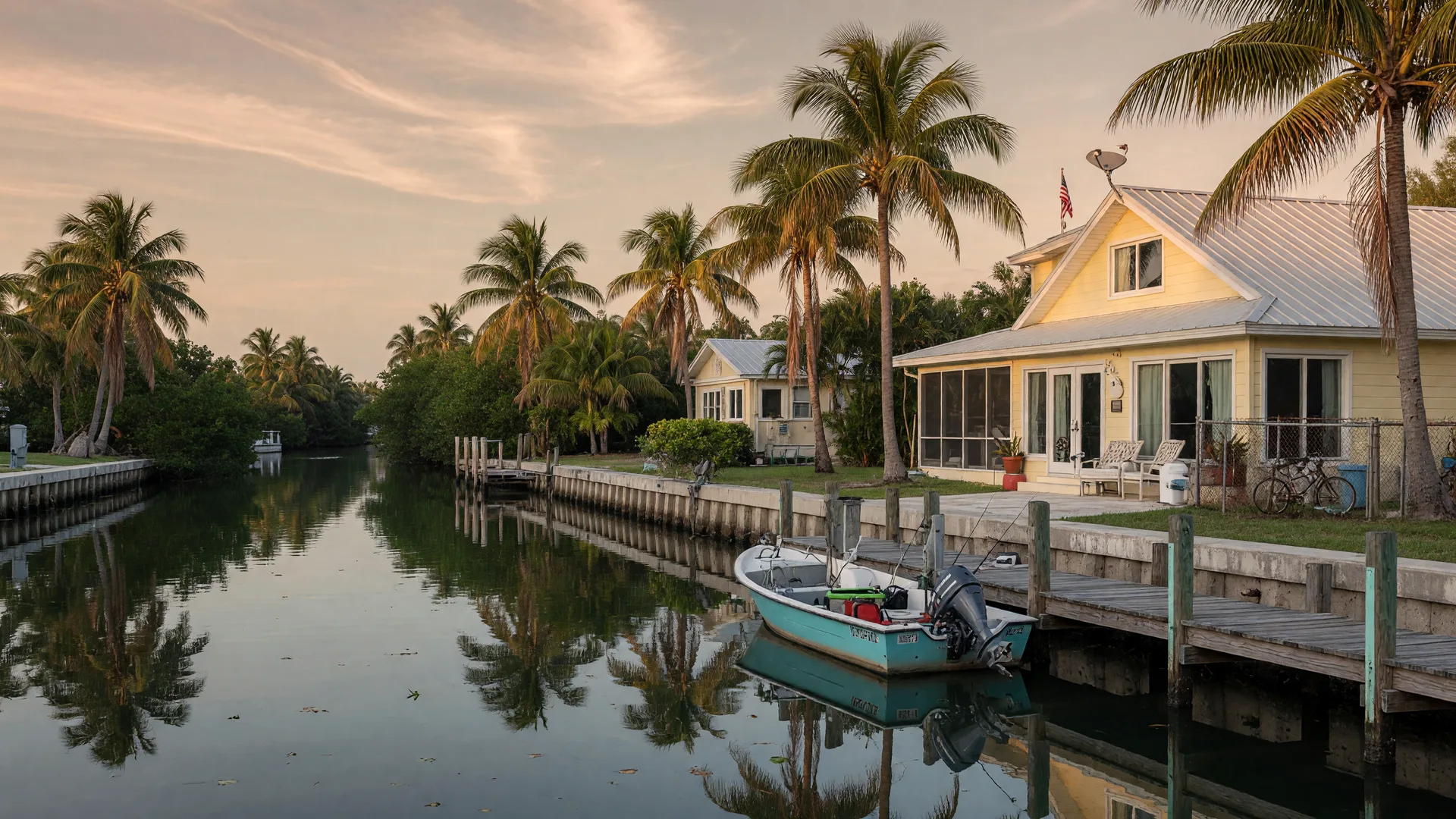
The Quiet Season in the Florida Keys: What Community Life Feels Like When the Crowds Leave
The Keys have two reputations: the crowded winter season and the quieter months that locals quietly admit are their favorite. This is what island life really feels like between seasons.
Key Takeaways
- The Keys have two seasons: the busy winter high season and the longer quiet season that many residents say is the best time to live here.
- In the quiet season the water is uncrowded: reefs, flats, and favorite restaurants are easier to enjoy, and the neighbors you wave to on the dock actually live there.
- The quiet season is the most honest time to experience a Keys community, because you see the everyday island instead of the holiday version of it.
- Hurricane season runs through the quiet months, and being prepared is part of the culture here. Insurance, elevation, impact protection, and a simple plan matter long before a storm ever forms.
- For buyers considering a move, a quiet season visit is the most honest test of whether the Keys is the right home, not just the right vacation.
Most people arrive in the Florida Keys during the season, the busy stretch from roughly the winter holidays through early spring, when every slip, table, and dock has company. But the Keys have a second rhythm: the quieter months in between, when the crowds thin out and the islands return to the people who live here year-round. I work the market all twelve months, and I tell every buyer the same thing. If you want to know whether the Keys are for you, come see them in every season, and especially in the quiet one.
The quiet season is not one single month. It begins in the late spring, runs through the summer, and tapers as the holidays approach and the seasonal crowd returns. Summer is the heart of it across the whole chain, from the canals of Key Largo through the neighborhoods of Tavernier and Islamorada to the full-time town of Marathon, and farther south toward the quiet island of Big Pine Key. In every one of those communities, the change is bigger than the thermometer. The season changes the texture of everyday life.
The Rhythm of the Quiet Season
During the season, the pace of the islands is set by visitors. Docks fill, restaurants run double seatings, and the water is busy with charter boats. That energy is a good thing, and it supports a large part of the local economy. Then the quiet months arrive, and something relaxes. The same restaurant that was booked solid in February takes walk-ins on a summer Friday. The boat ramp empties after nine o'clock. A dock master has time to talk tides. It is definitely not a ghost town, but the islands slow down to a rhythm the locals actually get to enjoy, an unhurried, neighborly place that feels like home.
This is when you see the Keys the way a resident does. The community is fully alive, but it belongs to the people who chose to live there, and that changes everything about how it feels. Neighborhoods come into focus when you can meet the people on the next dock and have a real conversation about where the fish are biting.
The Quiet Season, Community by Community
The quiet season looks a little different on each island, and knowing the flavor helps you pick where you belong.
Key Largo. The gateway island keeps its full-service character year-round: the grocery stores, the marinas, and the dive fleet still run, but on resident time. The reef trips leave uncrowded, and the local waterfront restaurants go back to serving the people who live there. It is the easiest place in the Keys to start with everything you need already in place.
Tavernier. Tavernier is the quietest of the Upper Keys villages, and in the quiet season it turns profoundly residential. The canals go glassy, the pace slows further, and the little commercial strip along the highway feels like a small-town main street. For buyers who want privacy and calm, it is hard to beat.
Islamorada. The sportfishing capital relaxes without losing its pulse. Charter docks still run, but the mornings go to the locals who walk the anglers' breakfast counter, and the galleries host their openings at a more intimate volume. The village villages still hum, just softer.
Marathon. Marathon barely changes, because it has a year-round economy that does not depend on the winter crowd. The hospital, schools, and shops keep the rhythm, and the quiet season gives residents the Sombrero Reef and the Seven Mile Bridge sunsets with plenty of peace.
Big Pine Key. The Lower Keys were never crowded, so their quiet season is simply the purest version of themselves: the Key Deer, the backcountry flats, and the lightest human footprint in the island chain. For those who came for space and silence, this is the season that confirms the decision.
The Water, Without the Wait
For boaters and anglers, the quiet season is the best season. In the morning the waterways are yours: fewer wakes, less radio traffic, and the kind of glassy conditions that make a sunrise run feel like a private charter. The reef lines and the backcountry flats see fishing pressure year-round, but in the quiet months the weekend crowds thin out, and the anglers who put in the time are rewarded for it.
Diving offers the same reward. The coral communities inside the marine sanctuary remain spectacular all year, but they are far less crowded in the quiet season, which means more time on the reef and less time waiting at the mooring ball. For the full picture of the water culture that defines life here, see our Boating and Fishing Lifestyle guide.
Neighbors, Markets, and the Shape of Community
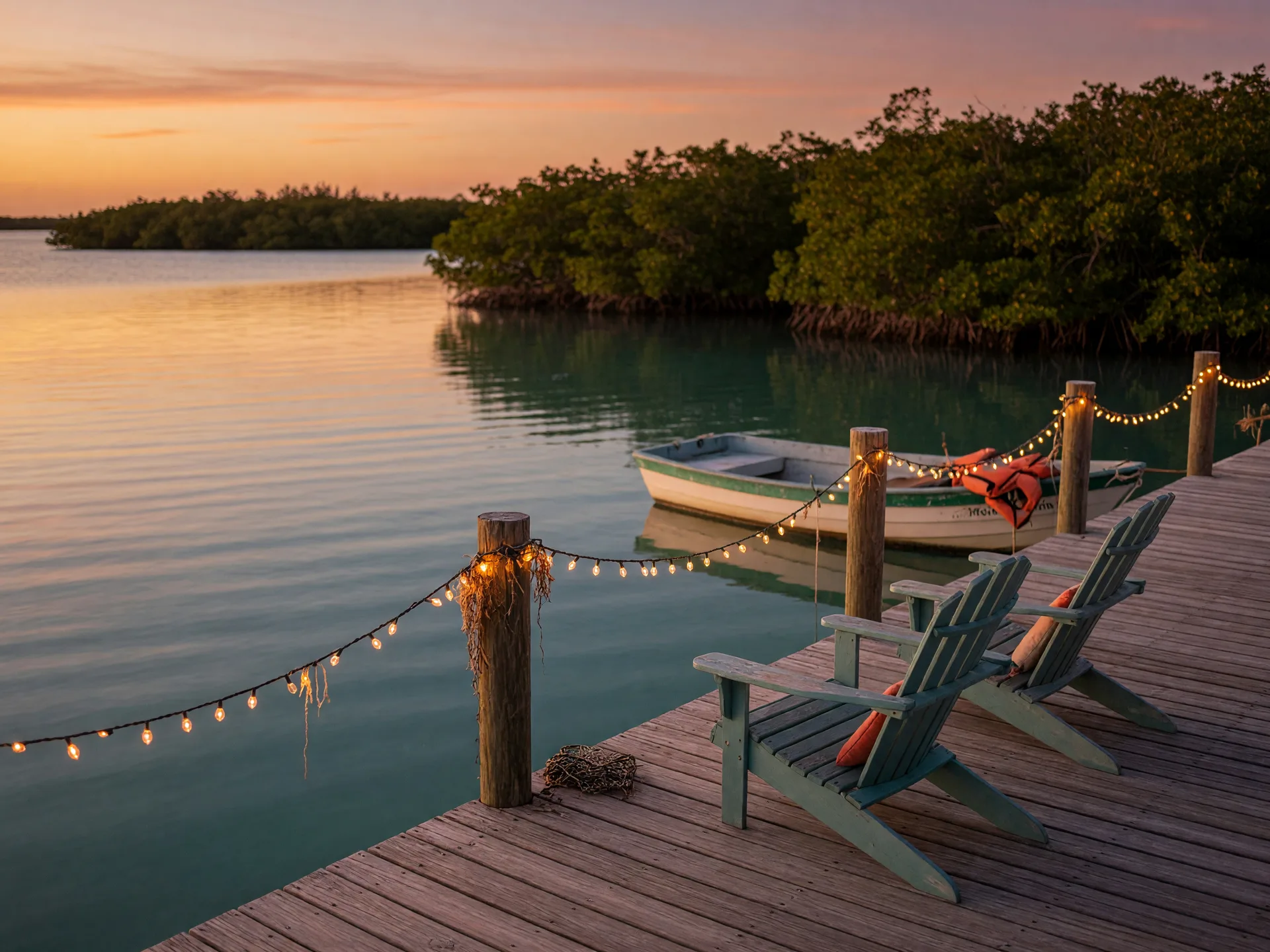
The quiet season is when the community comes into focus. With the seasonal crowd gone, the locals reclaim their town. You see the same faces at the coffee counter, the boat ramp, and the evening walk. Neighbors who spent the busy season running restaurants and marine businesses finally sit down on their own docks and get to know the people on the next canal.
The farmers markets still hum, the galleries still open their doors for art walks, and the docks still gather at sunset. It is simply more intimate, and more genuinely Keys. If you want to feel it, start with one of our community guides: Key Largo, Marathon, or Islamorada, and then come walk the neighborhoods in person.
Preparedness Is Part of the Culture
The quiet season includes hurricane season, and any honest portrait of island community life has to mention it. The Keys, like the rest of coastal Florida, live in that window with a plan rather than a fear: supplies stocked, shutters or impact glass in place, the boat prepared, and the neighborhood text chains warmed up. It is simply part of the deal, and it is one of the reasons experienced agents take the technical side of the property so seriously.
For buyers, that is one more reason to do the waterfront diligence on any Keys property: the strength of the roof, the wind mitigation report, the elevation certificate, and the quality of the seawall. Those details turn a beautiful address into a sound, sensible investment. Our Insurance and Flood Zone Buying Guide walks through exactly what to ask, and the Year-Round Living in Key Largo guide paints the same picture from the community side.
How Owners Use the Quiet Season
For people who already own here, the quiet season is the reward at the end of the school year and the careful winter rush. This is when the boats get the proper use they deserve: a sunrise run to a reef anchor, an afternoon drift over the flats, an evening spent motoring between islands with the cockpit neighbors from three canals over. The water that was shared all winter becomes, for a season, close to private.
It is also the season of dinners. The people who run the restaurants, marinas, and dive shops all winter finally have the evenings back, and the docks turn into dining rooms. Owners trade the fuel-bill stories and the catch photos, and there is a genuine feeling of the community being at rest, together, on the water it shares. If the winter season is the Keys performing, the quiet season is the Keys at home. That is the version you buy into, and the version that renews you every summer.
Why Buyers Should Visit in the Quiet Season
If you are seriously considering a second home or a full-time move, the quiet season is the most honest time to visit. The real estate market is a little more relaxed then too: tours are easier to schedule, sellers have more patience, and there is room to wander a neighborhood the way a resident would. You will see the boating life, the morning school runs, the local coffee spot where the year-round crowd goes, and the way the light falls on the water when the place is not set up for an audience.
That is the test. If you love the Keys in the quiet season, you will almost certainly love them in the winter season too. And if you have only ever seen them at their busiest, you are making a decision based on the ninety busiest days of the year. Every serious buyer deserves to see both. The next step is a conversation: contact Steve Conley and we will build a visit around your priorities, your boat, and the neighborhood where you actually want to live. Bring your calendar, your boat list, and your honest questions; the quiet season has time for all three.

Steve Conley
Principal, Conley Sales Group at COMPASS, the exclusive Compass office in the Florida Keys. Licensed Sales Associate, Contractor, and Home Inspector with over 30 years in the Keys market.
Full BioThe quiet season,
what to know.
When is the busy season in the Florida Keys?
The season runs roughly from the winter through early spring, when visitor numbers and rentals peak across the chain. The quiet season follows, spanning late spring, summer, and into fall. Every island has its own rhythm, but the pattern holds from Key Largo through the Middle and Lower Keys.
Do businesses close in the quiet season?
Some restaurants and tour operators trim their hours or close for their own holidays, but the resident-serving core stays open all year: grocery stores, banks, marine services, and most good restaurants. Calling ahead is always smart, but the local pulse does not shut down.
Should I plan my house-hunting trip in the quiet season?
Yes, it is the best possible research. You will see daily life, real neighbors, and the honest pace of the islands without tourism. The winter season will still surprise you, but if you love the Keys in the quiet months, you are almost certain to love them when the season peaks.
Is the quiet season dangerous for storms?
Hurricane season overlaps the quiet months, and coastal Floridians live inside that window with preparation as a routine: proper insurance, impact protection, elevation, and a simple plan. A careful buyer agent looks for storm-smart features on every showing, which is exactly why the water-and-wind diligence matters before you commit to a property.
How is the real estate market in the quiet season?
The quiet season market tends to be more relaxed: fewer visitors, easier showings, and a more measured pace for conversation. Off-season buyers often see serious, well-priced water. Actual market conditions still move with inventory and rates, so current data matters more than the calendar. Our Florida Keys luxury market report tracks the trends in every community.
Helpful Resources & Related Guides
Discover more about life in the Florida Keys and explore related communities and resources.
Internal Resources
- Key Largo Luxury Waterfront Community Guide
- Year-Round Living in Key Largo: Community, Dining, and Recreation
- The Sense of Community in the Upper Florida Keys
- Big Pine Key and the Lower Keys: Authentic Florida Keys Lifestyle
- Insurance and Flood Zone Buying Guide
- The Boating and Fishing Lifestyle in the Florida Keys
- Contact Steve Conley for Personalized Guidance

Thinking About Buying or Selling
in the Florida Keys?
Steve Conley brings 30 years of Keys expertise, $1.4 billion in career sales, and contractor-inspector credentials to every transaction. Start with a conversation.
Connect with Steve