
Your First Year in the Upper Florida Keys: What New Residents Learn About Island Life
The first twelve months between Key Largo, Tavernier, and Islamorada teach you the islands: the seasons, the rhythms, the neighbors, and the practical lessons that turn a visitor into a resident.
Key Takeaways
- The first year runs on island rhythms: the high season of visitors, the quiet summer, and the hurricane season preparation routine that every household develops.
- Your boat becomes the center of the lifestyle, which means dockage, ramps, and the weekend water routine are as important as any room in the house.
- Each Upper Keys community carries its own character: Key Largo, Tavernier, and Islamorada feel different, and the right fit matters as much as the right house.
- Practical logistics, from mainland supply runs to insurance and contractors, take planning that new residents only discover by doing.
- Becoming a neighbor, through events, volunteer work, and the water community, is what turns a first year on the islands into a life on the islands.
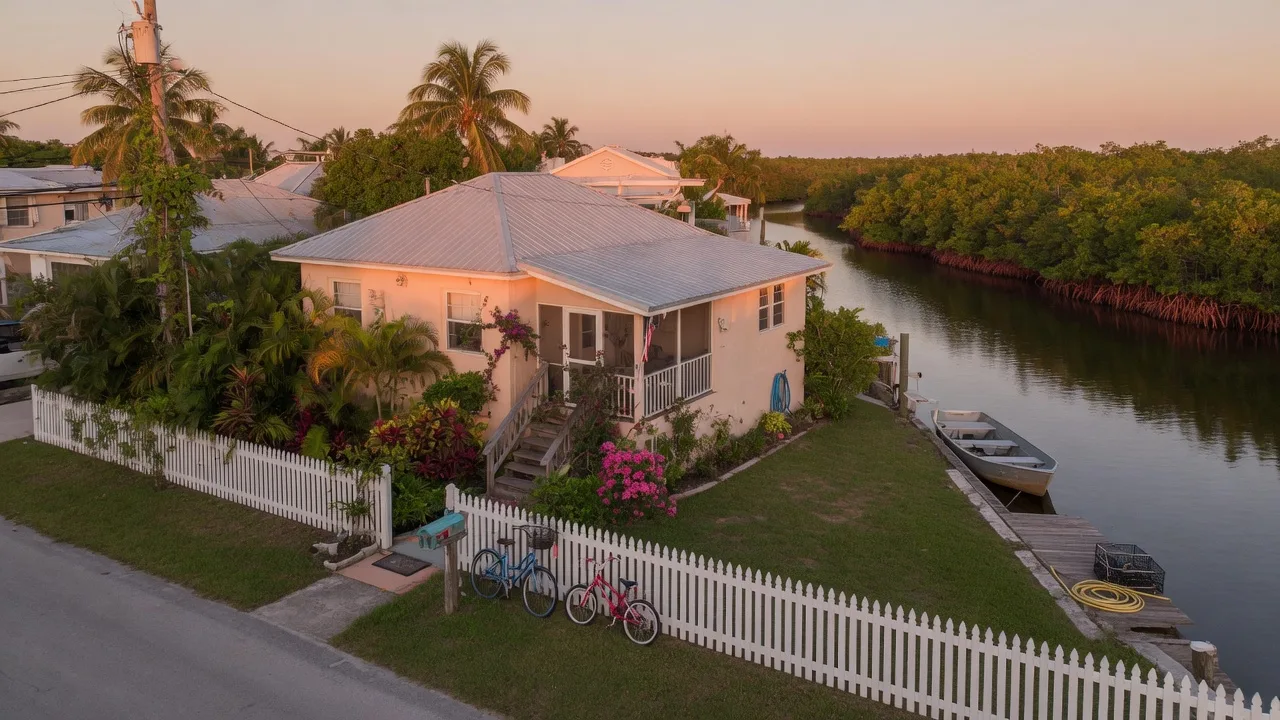
Your first year living in the Upper Florida Keys is the year you stop seeing the islands as a vacation backdrop and start seeing them as home. Between Key Largo, Tavernier, and Islamorada you will learn how the seasons move, how the community organizes itself, why everyone owns so many fans, and why the boat is never just a toy. This guide is a candid look at what that first year actually feels like, built from the questions new residents ask and the lessons they look back on with fondness and a little laughter.
The Rhythm of the Island Year
The Keys run on a calendar that looks nothing like a mainland one. The high season arrives with the winter visitors, when the restaurants fill, the marinas hum, and the Overseas Highway moves at a slightly slower and friendlier pace. Then the summer quiets down, the water warms, and the islands feel more like a small town again. New residents often describe the first year as a series of surprises: how gentle the winter is, how intense the summer sun is, and how fast the seasons click over when you live here instead of visiting.
Hurricane season sits inside the middle of the year, and it becomes part of the routine rather than a headline. Households build their own preparation rhythm: knowing their evacuation zone, keeping the boat plan straight, and learning which neighbors check on which neighbors. It sounds serious, and it is, but it is also one of the first ways a newcomer feels the community tighten. My guide to living through hurricane season in the Florida Keys walks new residents through the preparation routines that make the season calm instead of anxious.
The Boat Is the Lifestyle
In the Upper Keys, the boat is less a purchase than a way of life. Weekends organize around the water: the flats, the reef, the sandbars, the dockside gatherings. New residents quickly learn that the practical questions are the water questions: How deep is my canal? Can my dock fit the boat I want? Where is the nearest ramp when I need it? The good news is that the infrastructure exists, from the marinas of Key Largo to the creeks and basins of Tavernier and Islamorada, and the community is generous with advice.
The deeper lesson is that the water ties people together. A first year in the islands almost always includes a neighbor who teaches you where to launch, a captain who explains the flats, and a shared sunset that makes the whole move feel worth it. For the full context on how boating and fishing shape daily life here, read the boating and fishing lifestyle in the Upper Florida Keys, and for day-boat outings, island hopping the Upper Florida Keys.
The practical questions of boat ownership resolve themselves faster than new residents expect. The Upper Keys are full of marinas, lifts, and mechanics who have seen every engine and every hull, and the neighborly answer to an unfamiliar problem is usually a recommendation. Learning to read the water, the tides, and the wind comes with time on it, and the first year is exactly when that education is the most fun.
Three Communities, Three Characters
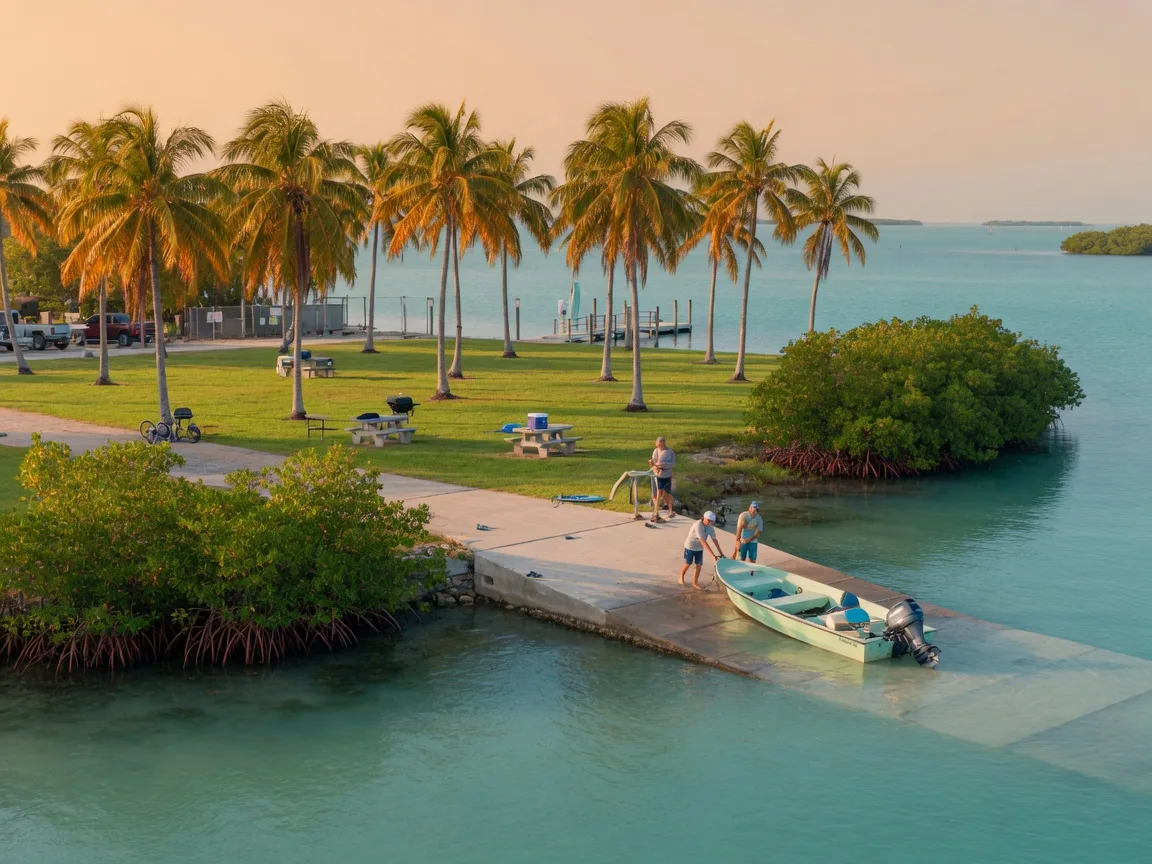
One of the first-year discoveries is how distinct the Upper Keys communities are from one another. Key Largo is the gateway island, the most built-up and the most convenient, with its deep-water canal neighborhoods and easy mainland reach through Card Sound Road. Tavernier, just past the bridge, feels quieter and more residential, anchored by the waterfront around Tavernier Creek and Harry Harris Park. Islamorada carries the identity of the sportfishing capital, with its own arts scene, restaurants, and water culture. None is better than the others; they are simply different fits. My Tavernier community guide and the neighborhoods of Key Largo guide map the differences in detail, and the Islamorada lifestyle guide does the same for the sportfishing capital.
The practical rhythm of the first year also differs by community. A commute to the mainland is a different equation from Tavernier than from Islamorada, and the grocery run, the school run, and the airport run all change with your mile marker. Families should spend time on the driving math before choosing, because island life is wonderful, and also long. The guide to getting around the Upper Florida Keys covers the bridges, the highway, and the everyday distances that shape where residents choose to live.
The Logistics Nobody Warns You About
First-year residents discover a small set of logistics that rarely appear in the marketing brochures. Packages and mail follow island hours. Some deliveries simply do not reach the Keys the way they reach the mainland. Big furniture and building materials come across the bridges with a lead time attached. And the supply runs: the big-box trips to Miami or Homestead that residents batch into a single efficient day.
Services deserve planning too. The best contractors, inspectors, and boat mechanics are local, known by name, and often booked ahead, and my role as a licensed contractor means I hear about the good ones constantly. Insurance is a specialty conversation in the Keys, and new residents should start it early with someone who writes flood and wind coverage on the islands. My insurance and flood zone guide explains what the policies actually cover, and the complete buyer's guide covers the maintenance realities of waterfront ownership from seawalls to docks.
The Gathering Places That Define the Week
Every island community keeps its own set of gathering places, and learning yours is part of the first year. In Key Largo the waterfront fish houses and dockside markets anchor the weekends, Tavernier's waterfront parks and creek-side spots draw families, and Islamorada's marinas, galleries, and oceanside restaurants keep the sportfishing town busy from Friday through Sunday. The pattern is the same everywhere: residents eat where the water is, meet where the boats tie up, and catch up at the same handful of tables week after week.
New residents who adopt a regular spot, a fish house lunch, a coffee counter, a dockside bench, report that the islands adopt them twice as fast. The local rhythm is not hard to find; it is simply not advertised. My guide to Upper Keys waterfront dining and local spots maps the tables and docks where Key Largo and Tavernier residents actually gather, and the community events calendar fills in the rest of the week.
Becoming a Neighbor
The fastest way to feel at home in the Upper Keys is to start showing up. The community organizes itself around real things: the farmers markets and art walks, the fishing clubs, the conservation volunteer days, the school events, and the marina coffee circles. New residents who attend one event and introduce themselves to one neighbor are usually surprised by how quickly the islands adopt them. My guide to Florida Keys community events, farmers markets, and art walks is a practical starting calendar for exactly that.
The deeper version of this is the sense of place the Upper Keys still keeps. People watch out for each other here, especially through the slow seasons and the storm season, and that mutual care is the part of island life that new residents mention most. For a fuller picture of what that belonging looks like, read the sense of community in the Upper Florida Keys, and for the dedicated look at one island's everyday life, Living in Tavernier shows the town that many newcomers fall for first.
Families tend to find their way in fastest of all. The school communities of the Upper Keys are small enough that parents know each other by name, the parks and ballfields fill with the same faces every weekend, and the youth sailing and fishing programs introduce children to the water the way the islands have always done it. My guide to raising a family in the Upper Florida Keys covers the schools, the parks, and the community that raises kids together.
The Bottom Line
The first year in the Upper Florida Keys is a process of becoming local. You learn the seasons, the water, the mile markers, and the neighbors, and somewhere in the middle of it the islands stop being a place you moved to and start being home. The communities reward residents who engage, and the water rewards those who learn it, which is another way of saying your first year sets the tone for every year after.
If you are weighing the move, or newly arrived, contact Steve Conley at (305) 393-5859 to talk through which Upper Keys community fits your life. He has sold waterfront across Key Largo, Tavernier, and Islamorada for over 30 years and knows the neighborhoods, the logistics, and the neighbors firsthand.
The first year,
in answers.
Which Upper Keys community is the best fit for a new full-time resident?
It depends on how you want to live. Key Largo offers the most conveniences and the shortest mainland reach, Tavernier is quieter and more residential around Tavernier Creek, and Islamorada carries the sportfishing identity with its own arts and dining scene. Spend real time in each, including the drive times and the grocery runs, before you choose.
Is a boat necessary for the Keys lifestyle?
Not necessary, but it is the social center of the lifestyle for many residents. A boat opens the flats, the reef, the sandbars, and the dock-side gatherings that define island life. Even without one, new residents quickly join the water community through friends, charters, and community events.
What should new residents know about the seasons in the Florida Keys?
The year splits into the winter high season of visitors, a hot and quiet summer, and hurricane season in between. Each season changes the pace of daily life, and residents develop their own rhythms for visitors, storm prep, and the slower summer months when the islands feel like a small town again.
How do I become part of the community in the Upper Florida Keys?
Show up. Attend the farmers markets and art walks, join a fishing club or a conservation volunteer day, and introduce yourself to neighbors. The Upper Keys community is small and welcoming, and residents who engage early are usually surprised by how quickly the islands feel like home.
What logistics take the most planning for a new Keys resident?
Mainland supply runs, package and mail delivery, contractor and boat-mechanic booking, and insurance coverage are the ones newcomers learn by doing. Batched trips to the mainland, early insurance conversations with a Keys specialist, and local service relationships make the biggest difference.
Helpful Resources & Related Guides
Build your Florida Keys living library with the community guides, the relocation essentials, and the local resources that make the first year smooth.
Internal Resources
- Tavernier Luxury Waterfront Community Guide
- Moving to the Florida Keys: A Complete Relocation Guide
- The Sense of Community in the Upper Florida Keys
- Living in Tavernier: The Community That Feels Like Home
- Florida Keys Community Events, Farmers Markets, and Art Walks
- Contact Steve Conley About Your Move to the Keys

Steve Conley
Principal, Conley Sales Group at COMPASS, the exclusive Compass office in the Florida Keys. Licensed Sales Associate, Contractor, and Home Inspector with over 30 years and $1.4 billion in career sales serving the island chain.
Full Bio
Thinking About Buying or Selling
in the Florida Keys?
Steve Conley brings 30 years of Keys expertise, $1.4 billion in career sales, and contractor-inspector credentials to every transaction, from the first tour to the final closing. Let him help you find the community that feels like home.
Connect with Steve