
Wildlife Refuges and Birding in the Florida Keys: A Local's Guide from Key Largo to Big Pine Key
Fall migration is moving through the islands right now. Here is where the refuges are, what lives in them, and what they mean for the people who own waterfront nearby.
Key Takeaways
- Three national wildlife refuges anchor the natural Florida Keys: Crocodile Lake in north Key Largo, the National Key Deer Refuge around Big Pine Key, and the water-only Great White Heron Refuge in the Lower Keys.
- Fall migration runs through the Keys from September through November, then winter brings resident wading birds and white pelicans in peak numbers, with roughly 285 bird species across the refuges.
- The refuges protect species found nowhere else: the American crocodile, the Key deer, the world's smallest white-tailed deer, and the great white heron, the largest heron in the Americas.
- Access differs by refuge: the National Key Deer Refuge has trails and the Blue Hole viewing area, while Crocodile Lake is respected from its public garden and kiosk, and the heron refuge is reached only by boat.
- Refuge land is permanent open space: it protects water quality and privacy, and it quietly caps the supply of buildable land in communities like Big Pine Key, supporting waterfront values.
The Florida Keys are famous for the water, but the wild land is what keeps the water worth looking at. Three national wildlife refuges guard the edges of the island chain, from the crocodile marshes of north Key Largo to the pine rocklands of Big Pine Key and the open flats of the Lower Keys. This is the guide I give buyers who ask what living here actually feels like when the tourists leave and the birds arrive.
Right now, in mid-November, the fall migration is moving birds south through the islands, and the refuges are alive with movement. It is the perfect week to see why this place is more than a string of waterfront lots. Together, the refuges host roughly 285 recorded bird species, which is an astonishing number for a 120-mile island chain. They are also the reason a morning paddle, a walk with binoculars, or simply a slow drive home can turn into the best part of the day.
The Refuges That Anchor the Islands
The Florida Keys National Wildlife Refuges complex, managed by the U.S. Fish and Wildlife Service, is the umbrella for the three landmark refuges that matter most to the Upper and Lower Keys. Each one protects a different part of the Keys ecosystem, and each one shapes the character of the community closest to it.
Crocodile Lake National Wildlife Refuge in Key Largo
Crocodile Lake, established in 1980, protects about 6,686 acres in north Key Largo off Card Sound Road. It was created for a very particular resident: the American crocodile, a threatened species with one of only a few breeding populations in the United States. The refuge also holds one of the largest remaining tracts of tropical hardwood hammock left in the Keys, a globally threatened habitat, alongside mangrove forest and salt marsh. Eight federally listed species depend on this land, from the Key Largo woodrat and the Key Largo cotton mouse to the Schaus' swallowtail butterfly and the Florida semaphore cactus.
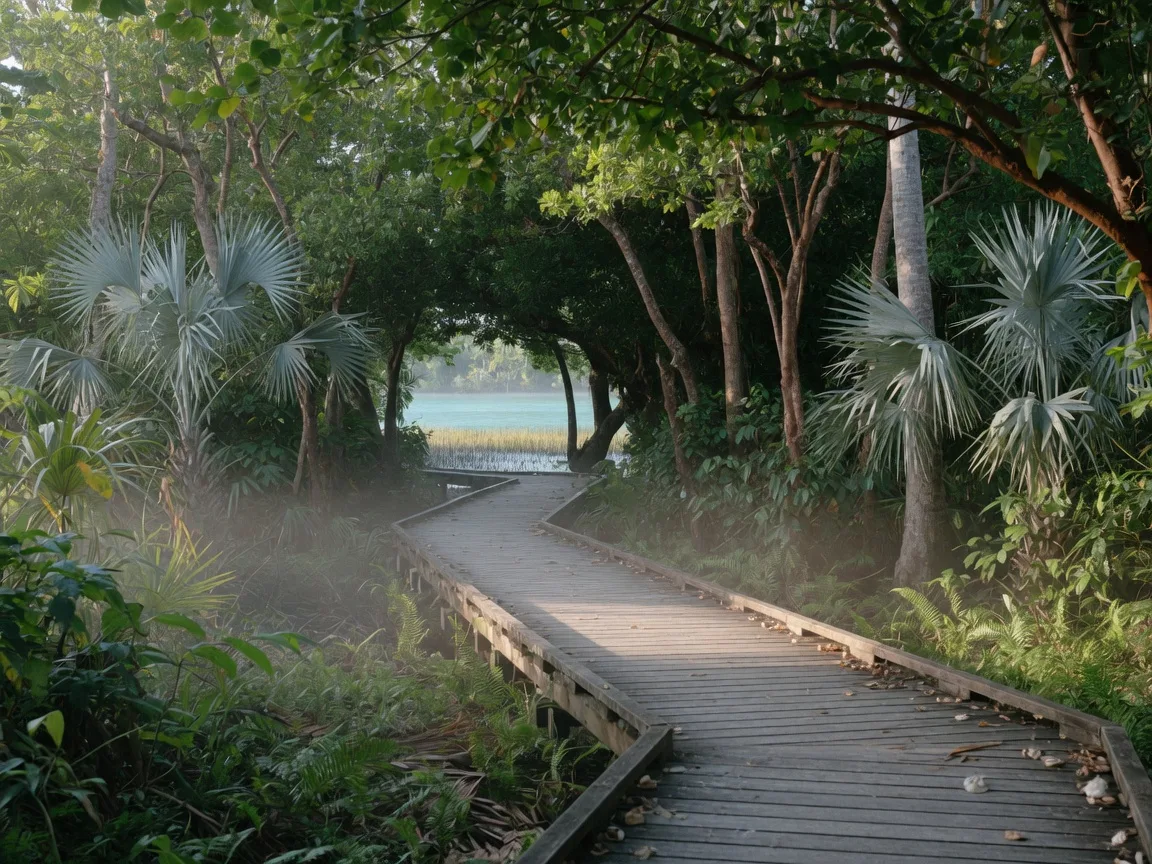
The refuge itself is closed to general public visitation, which is part of why it works. What visitors can do is stop at the community butterfly garden and kiosk near the refuge headquarters, open during daylight hours, and watch for wildlife from the road. Fall and winter are the recommended seasons to visit. For homeowners along the northern canals of Key Largo, this permanent green boundary is a quiet guarantee: the shoreline across the water will never become a subdivision.
The National Key Deer Refuge on Big Pine Key
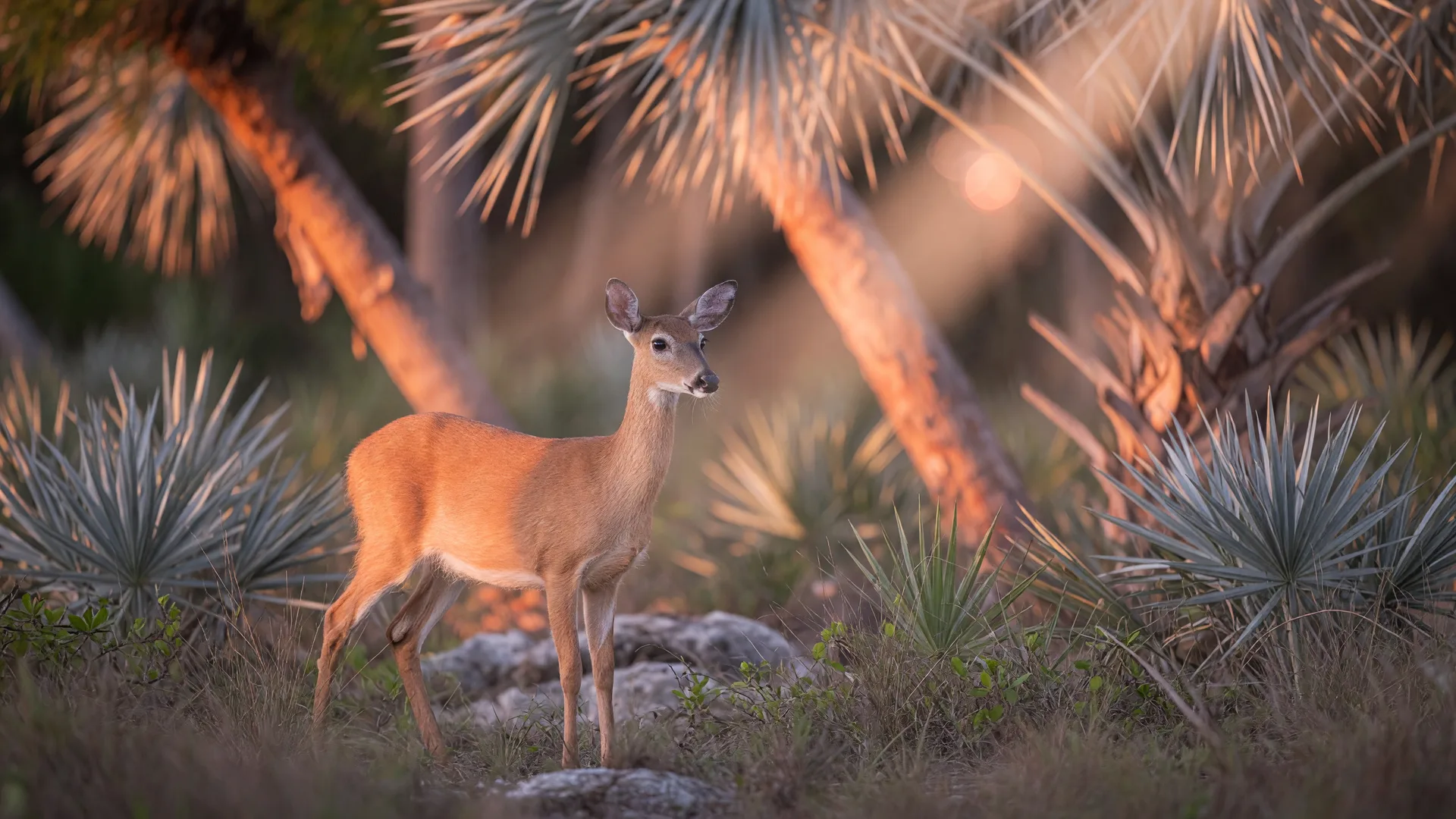
Farther south, the National Key Deer Refuge has protected the world's smallest white-tailed deer since 1957. The Key deer is found nowhere else on earth, and the refuge's roughly 9,200 acres across Big Pine Key, No Name Key, and the surrounding Lower Keys islands sustain a population of about 700 to 800 animals. The refuge also supports roughly 17 federally listed species, including the Lower Keys marsh rabbit and the silver rice rat.
The Blue Hole, a freshwater quarry at the heart of the refuge, is the easiest place to see the wildlife, while the nature trails wind through pine rocklands and into the hammocks. Key deer breed in the fall, and spotted fawns appear in late spring and summer, which is why speed limits on the roads through the refuge are serious business. Drive slowly, especially at dusk, and you will understand why residents of Big Pine Key talk about the deer the way other towns talk about their neighbors. For a fuller portrait of the island, my guide to the authentic Big Pine Key lifestyle covers the community that grew up around the refuge.
The Great White Heron Refuge, Reached Only by Boat
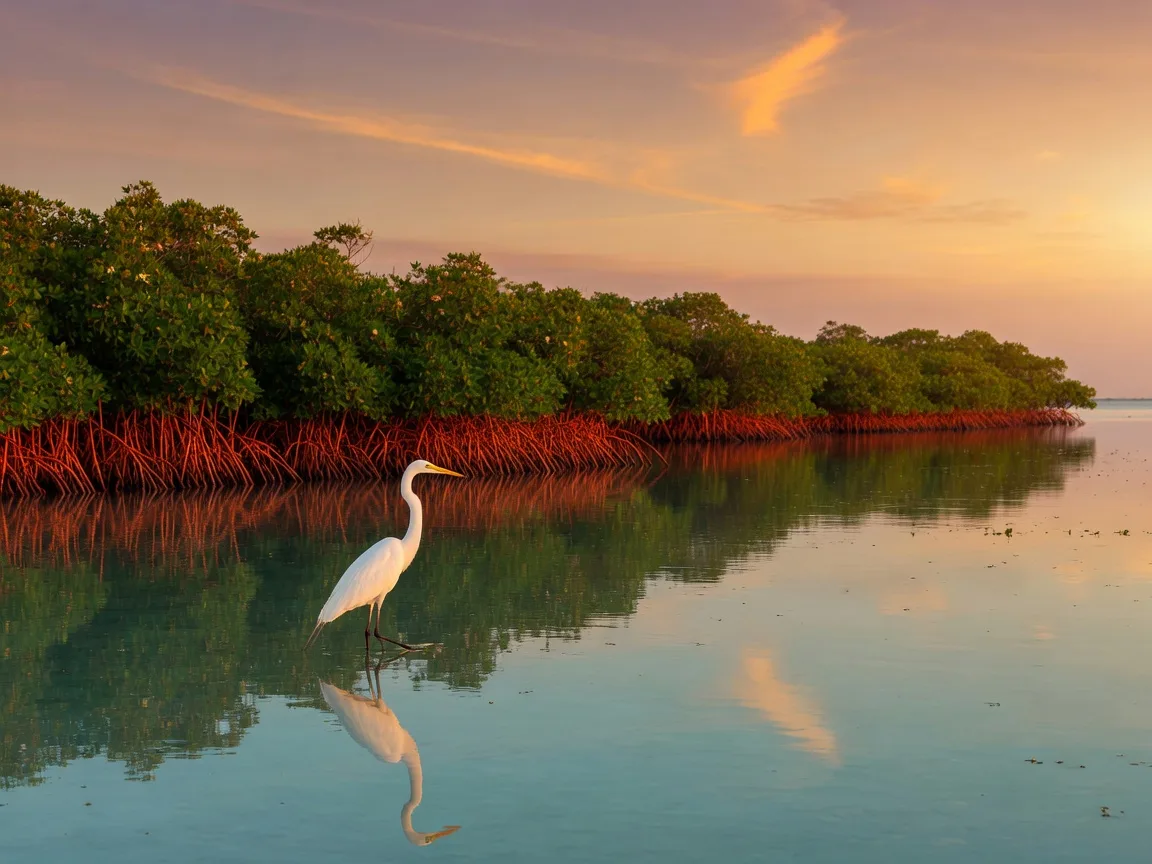
The Great White Heron National Wildlife Refuge, established in 1938 to protect herons and egrets from plume hunters, is the only place in the world set aside specifically for the great white heron, the largest heron in the Americas. It spreads across hundreds of low mangrove islands and roughly 264 square miles of open water in the Lower Keys. There are no roads and no trails. The only way in is by boat or kayak, which is precisely the point.
Winter, from December through February, is the top season: calm flats, nesting cormorants, terns, frigatebirds, white-crowned pigeons, ospreys, and roseate spoonbills, with sea turtles, manatees, and dolphins below the surface. Spring migration can bring more than 200 species in a single season. This is the backcountry the island-hopping crowd paddles through, and my guide to island hopping the Upper Florida Keys explains how to plan a day on the water around it.
When to Watch: Fall Migration Is Happening Right Now
The Keys sit on a major flyway, and the season dictates the show. Fall migration runs from September through November, which means warblers, raptors, and shorebirds are streaming through the islands this very week. Winter, December through February, delivers the resident spectacle: great white herons, white pelicans, and wading birds concentrated in the shallows where the water is calmest. Spring migration, late March through mid-May, can produce more than 200 species in a season. There is no dead month in the Keys, only different casts.
Practical Tips for Watching the Wild Keys
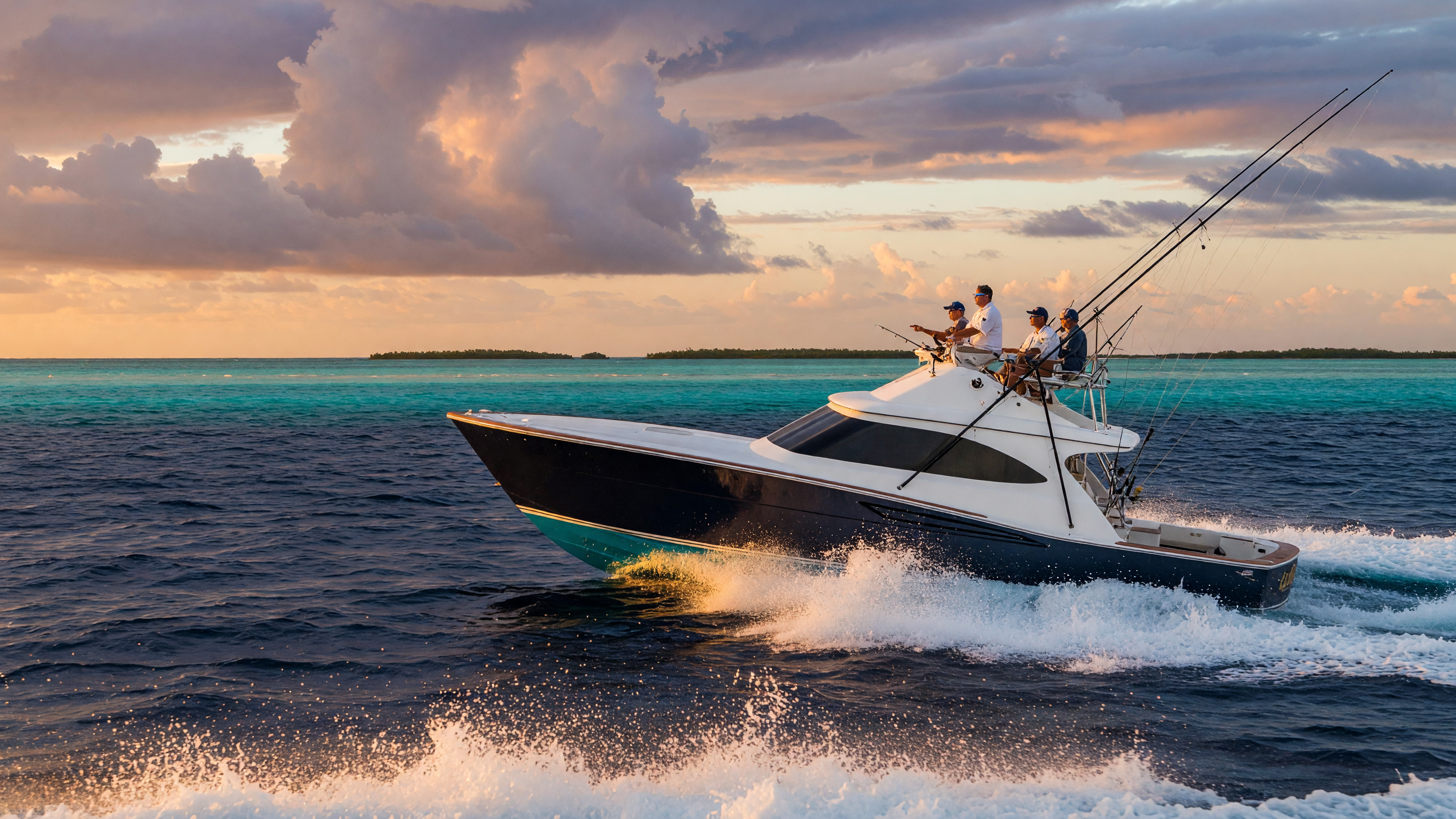
Three habits make the difference between a lucky sighting and a regular one. Go early: the first two hours of daylight are when the wading birds feed hardest on the flats, and the light is at its best. Go quietly: stop the boat well short of a bird, cut the engine, and let the current carry you closer. And go with patience: the second hour on a flat reliably produces what the first five minutes promised and never delivered.
Around the refuges, a few courtesies keep the wildlife wild. Slow down at dusk on Big Pine Key, where the deer move along the roadsides, and keep a respectful distance at the Blue Hole. If you are watching from your own dock, resist feeding anything, including the tarpon that roll past at sunset. Fish and birds that learn to expect handouts change their behavior, and the neighborhood works best when the wildlife stays wild. The payoff is seeing the Keys the way longtime residents do: the rarest natural corridor in the continental United States, right outside your own seawall.
Why Refuges Matter to Waterfront Owners
Refuge land is not just a pretty view, it is a structural part of the real estate market. Protected shoreline filters the water, buffers storm surge, and keeps the flats fishing the way it has always fished. It also caps development: what is inside a refuge boundary can never become another waterfront lot. On Big Pine Key, where the National Key Deer Refuge covers a huge share of the island, the supply of buildable waterfront is permanently limited, which is one reason buyers describe the Lower Keys market as scarce by design. For a calm look at that rhythm, my guide to the quiet season in the Florida Keys describes what these island communities feel like when the season ends.
If you are weighing a move to the Keys, plan a visit around the wildlife, not just the real estate. Take the kayak and paddle routes of Key Largo and Islamorada, drive Big Pine Key at dusk with a slow foot on the brake, and spend one morning with binoculars on the dock of the Key Largo waterfront property you are considering. The water connects everything out here, and the refuges remind you why it is worth protecting.
When you are ready to find your place near the wild, start with the Big Pine Key community guide, or call Steve Conley at (305) 393-5859 and we will match you to the island that fits the life you want.

Steve Conley
Principal, Conley Sales Group at COMPASS, the exclusive Compass office in the Florida Keys. Licensed Sales Associate, Contractor, and Home Inspector with over 30 years and $1.4 billion in career sales serving the island chain.
Full BioWildlife, refuges,
the natural Keys.
Can you visit Crocodile Lake National Wildlife Refuge in Key Largo?
The refuge itself is closed to general public visitation to protect breeding crocodiles and rare hammock species, but the community butterfly garden and kiosk near the refuge headquarters are open during daylight hours. Fall and winter are the recommended seasons, and wildlife can often be watched respectfully from the road along the refuge boundary.
Where is the best place to see Key deer on Big Pine Key?
The Blue Hole, a freshwater quarry inside the National Key Deer Refuge, is the easiest viewing spot, and the refuge's nature trails offer quiet walks through pine rocklands. Key deer also cross roads throughout Big Pine Key, especially near dusk, so drive slowly and respect the speed limits through the refuge.
When is the best time of year for birding in the Florida Keys?
Fall migration from September through November brings warblers, raptors, and shorebirds, and it is happening right now. Winter from December through February is the peak for resident wading birds, great white herons, and white pelicans, while spring migration from late March through mid-May can produce more than 200 species in a season.
Is the Great White Heron National Wildlife Refuge accessible by land?
No. The refuge is a water-only preserve made up of hundreds of low mangrove islands in the Lower Keys, with no roads and no trails. The only way in is by boat or kayak, and winter's calm water makes it the best season for paddling through the flats where the herons and spoonbills fish.
Do the refuges affect real estate values around Big Pine Key?
Yes, in a positive way. Refuge land permanently caps the supply of developable shoreline, protects water quality, and guarantees open views, and those three factors are exactly what waterfront buyers in the Lower Keys pay a premium for. The scarcity is built into the market.
Helpful Resources & Related Guides
Deepen your understanding of the Florida Keys lifestyle, communities, and natural landscape with these related resources.
Internal Resources
- Big Pine Key Luxury Waterfront Community Guide
- Key Largo Luxury Waterfront Community Guide
- The Boating and Fishing Lifestyle in the Florida Keys
- Kayaking and Paddling the Upper Florida Keys
- Island Hopping the Upper Florida Keys
- Big Pine Key and the Lower Keys: The Authentic Florida Keys Lifestyle
- Contact Steve Conley for Guidance on Keys Living
Thinking About Buying or Selling
in the Florida Keys?
Steve Conley brings 30 years of Keys expertise, $1.4 billion in career sales, and contractor-inspector credentials to every transaction. Start with a conversation.
Connect with Steve