
Big Pine Key and the Lower Keys: Discovering the Authentic Florida Keys Lifestyle
The Lower Keys offer a rare combination of natural preserve, quiet waterfront communities, and a pace of life that attracts discerning buyers seeking something more than a typical vacation destination.
Key Takeaways
- Big Pine Key and the Lower Keys offer a distinctly quieter, more nature-focused lifestyle compared to the Upper Keys, with protected lands and abundant wildlife.
- The National Key Deer Refuge covers much of Big Pine, preserving the island's natural character and creating a unique environment where development is carefully managed.
- Waterfront properties in the Lower Keys offer exceptional value compared to the Upper Keys, with deep-water access and proximity to world-class fishing and diving.
- The community culture here is shaped by year-round residents, creating a genuine small-town atmosphere that is increasingly rare in the island chain.
- Understanding the National Key Deer Refuge restrictions and the distinct character of each Lower Keys community is essential when choosing the right place to put down roots.
The Florida Keys are often discussed as if they are one place, but anyone who has spent time here knows the truth: every island has its own character. Nowhere is that more true than in the Lower Keys, the stretch of islands that begins where the Seven Mile Bridge ends. Here, the pace slows, the crowds thin, and a different kind of Keys life reveals itself. For buyers who value natural beauty, community, and authentic island living over social scenes and resort amenities, the Lower Keys represent the finest opportunity in the entire chain.
As the Principal of the Conley Sales Group at COMPASS, I have guided buyers to every corner of the Keys. Over the years, I have watched more and more discerning purchasers discover what the Lower Keys have to offer. This guide covers Big Pine Key, Ramrod Key, Summerland Key, and the smaller islands that make up this extraordinary region, with insights into the lifestyle, the communities, and the waterfront real estate opportunities that define them.
Big Pine Key: The Heart of the Lower Keys
Big Pine Key is the largest and most developed island in the Lower Keys, yet it retains a sense of natural wildness that is unique in the island chain. The island is home to the National Key Deer Refuge, a protected habitat for the endangered Key deer, a small subspecies of white-tailed deer found nowhere else on earth. The refuge covers roughly 25 percent of the island's land area, ensuring that large swaths of Big Pine remain undeveloped and preserved in their natural state.
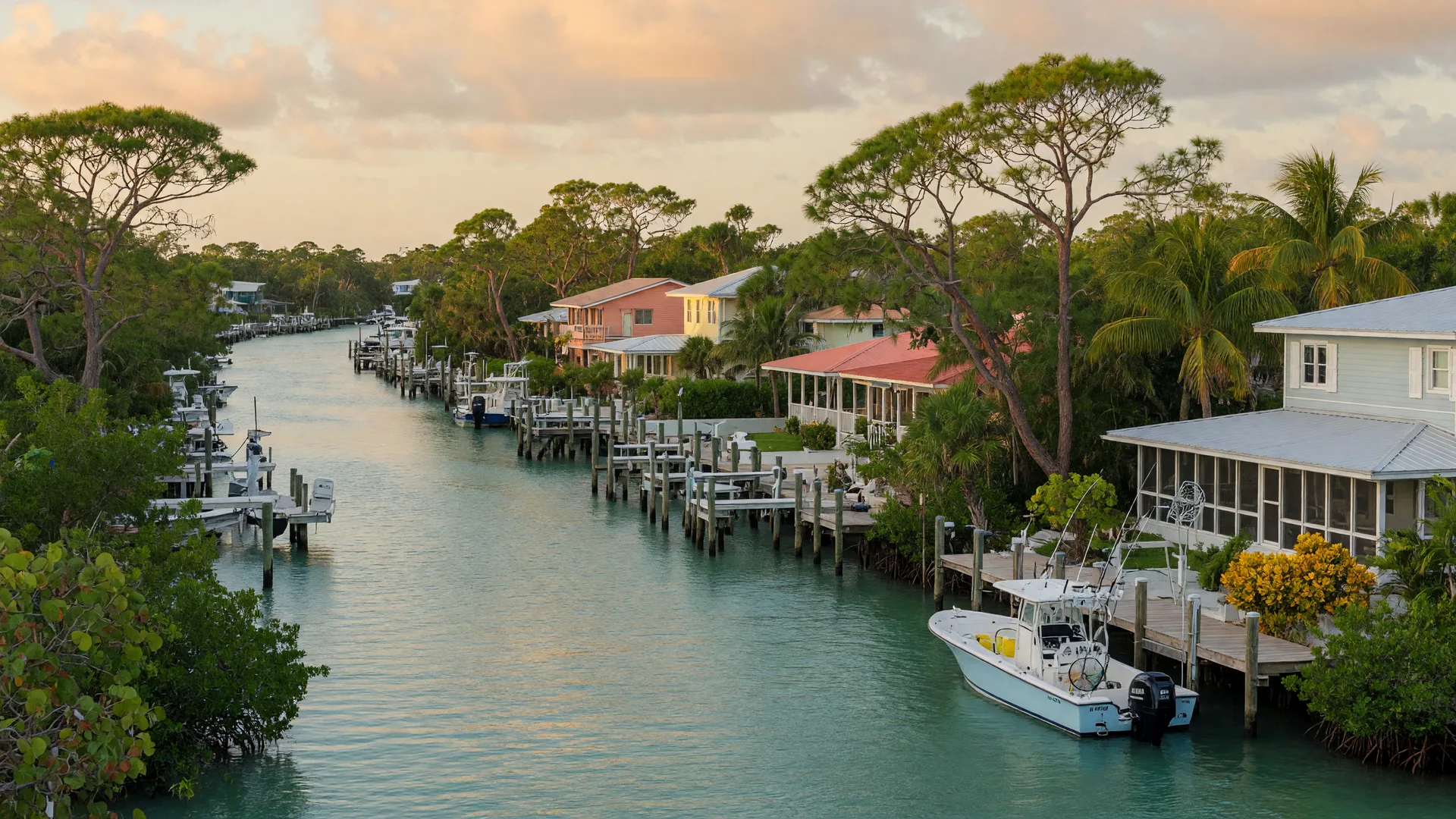
This preservation has a profound effect on the character of the island. Homes here are set among native hardwoods and pines, with generous lots that provide privacy and a connection to the natural environment that is harder to find in more densely developed areas. The canal systems that line the island offer deep-water access, and many properties back directly onto protected waters that feed into the Gulf of Mexico and the Atlantic.
The lifestyle on Big Pine is defined by the water and the wildlife. Residents paddle through the backcountry in kayaks, fish the flats for bonefish and permit, and watch the sun set over the Gulf from their own docks. The community is tight-knit, with a genuine small-town feel that draws year-round residents who value substance over flash. For a deeper look at how the Keys lifestyle varies by community, explore our complete guide to Marathon living and the Upper Keys lifestyle feature.
Ramrod Key and Summerland Key: Quiet Neighbors
South of Big Pine, the islands become smaller and even quieter. Ramrod Key and Summerland Key are primarily residential communities with limited commercial development, offering a level of seclusion that appeals to buyers who want to be in the Keys without being in the middle of the action.
Ramrod Key is home to one of the Lower Keys' most beloved institutions, the No Name Pub, a legendary Keys establishment known for its pizza and its walls covered in signed dollar bills. But beyond this single attraction, the island is remarkably quiet. The canal homes here offer deep-water access and generous lots, often at prices that would be unthinkable in Key Largo or Islamorada.
Summerland Key sits between Ramrod Key and Cudjoe Key, offering a similar combination of quiet residential streets and canal-front properties. The island has a small commercial center with a grocery store and a few restaurants, making it possible to meet daily needs without driving to Marathon or Key West. The waterfront homes here are among the best values in the entire Keys for buyers seeking deep-water access with direct Gulf or Atlantic proximity.
Waterfront Access and Boating in the Lower Keys
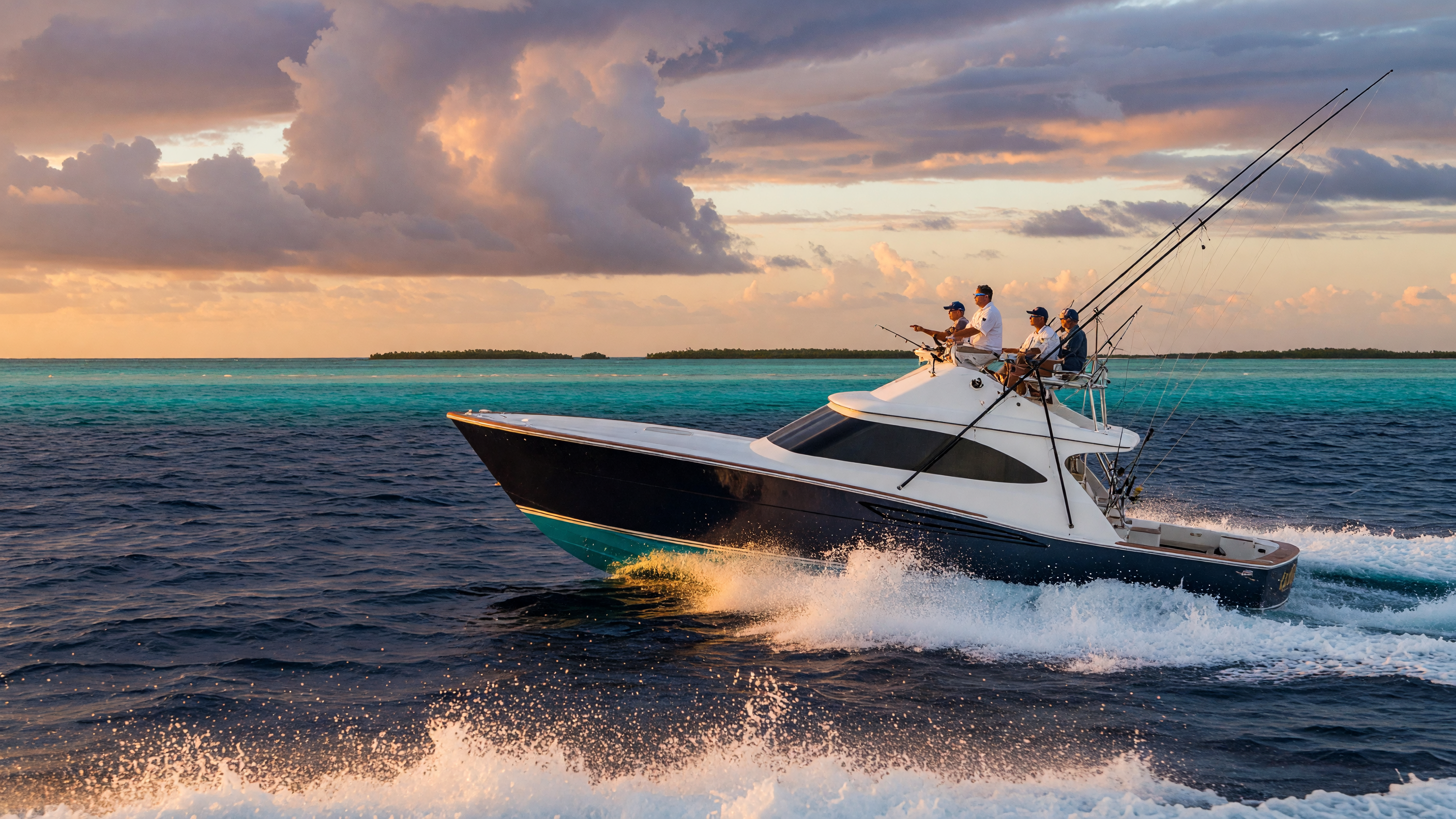
The Lower Keys offer some of the finest boating and fishing access in the entire island chain. The islands sit at the edge of the Gulf of Mexico, with the Atlantic Ocean accessible through the deep-water channels between the reefs. The backcountry waters of the Gulf provide world-class flats fishing for bonefish, permit, and tarpon, while the offshore grounds produce sailfish, mahi-mahi, and wahoo.
The canal systems in the Lower Keys are generally less crowded than those in the Upper Keys, and the waterways see less recreational traffic. For boaters who value open water and uncrowded fishing grounds, this is a significant advantage. Most canal homes in the Lower Keys provide direct Gulf access through maintained canal cuts, putting you minutes from the backcountry and the open Gulf.
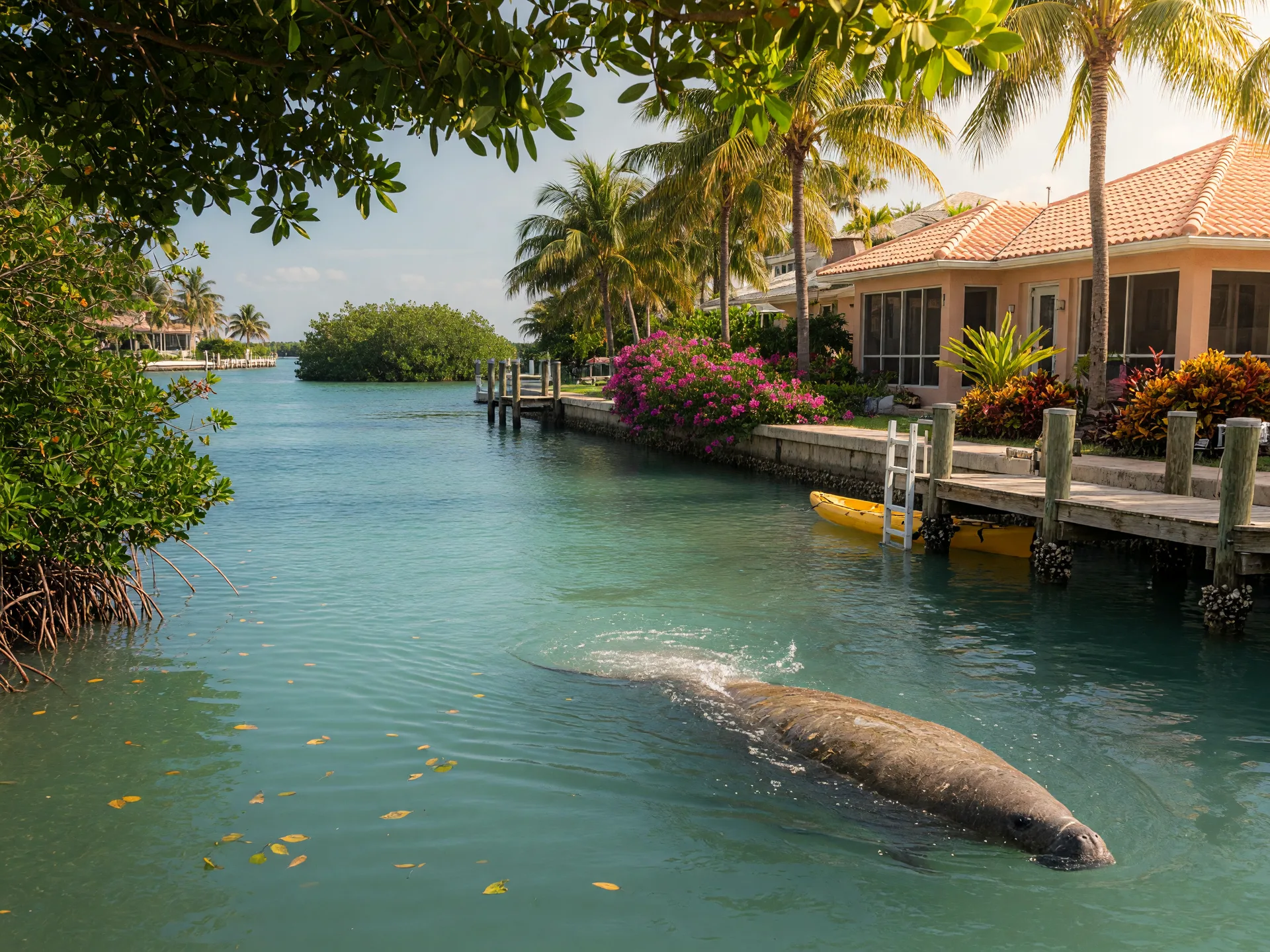
The protected waters of the Great White Heron National Wildlife Refuge and the Key West National Wildlife Refuge surround the Lower Keys, creating a pristine marine environment that is ideal for kayaking, paddleboarding, and wildlife observation. Manatees, sea turtles, and dolphins are common sights, and the birding here is among the best in Florida. For any serious boater, the Boating and Fishing Lifestyle Guide on our site provides a comprehensive overview of what the Keys waters have to offer.
The Community Culture
What sets the Lower Keys apart from the rest of the island chain is the community culture. These islands are not vacation destinations in the way that Key West or Islamorada are. They are places where people live year-round, where neighbors know each other, and where the social calendar revolves around community events rather than tourist seasons.
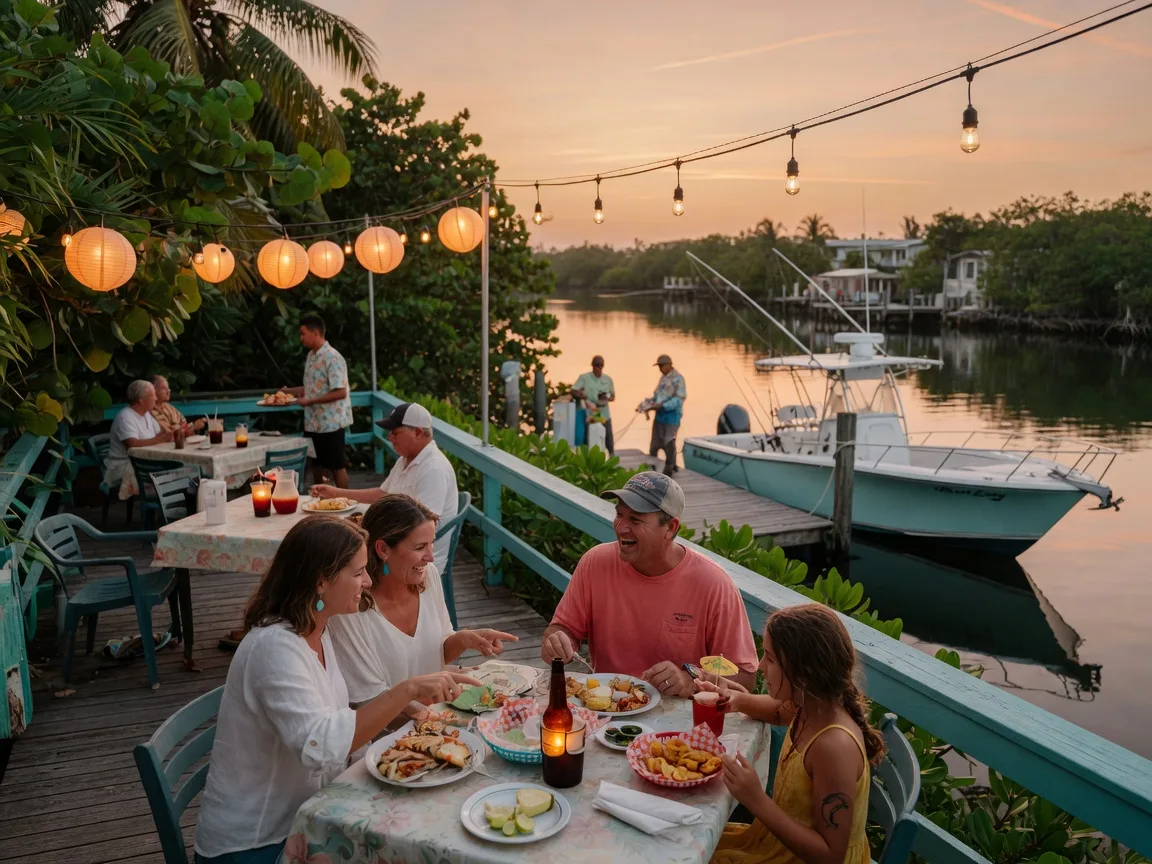
Big Pine Key has an active civic association, a public library, a community park, and several churches that serve as gathering places for residents. The school system is strong, and the island has a genuine small-town feel that appeals to families and retirees alike. The local dining scene is modest but authentic, with seafood shacks and casual restaurants that serve the community rather than the tourist trade.
For buyers considering a move to the Lower Keys, I recommend spending time here outside of peak season. Visit during a quiet week in the fall, stay at a waterfront rental, and get a feel for the rhythm of daily life. Talk to the neighbors. Eat at the local restaurants. Take a boat out through the canals. The Lower Keys reveal themselves slowly, and the buyers who take the time to understand them are the ones who end up staying for the long term. For a broader look at all the communities from Key Largo to Marathon, visit our community guides page.
Real Estate Market in the Lower Keys
The luxury waterfront market in the Lower Keys offers exceptional value relative to the Upper Keys. A deep-water canal home on Big Pine Key might be priced at 40 to 60 percent of what a comparable property in Islamorada would command, while offering similar boating access and a quieter, more natural setting.
As of 2026, prices for luxury canal-front homes in the Lower Keys typically range from $800,000 to $3 million, with exceptional Gulf-front or deep-water estates commanding higher figures. The lower entry point has made the Lower Keys increasingly popular with younger buyers and those purchasing their first Keys property, while the natural beauty and quiet atmosphere continue to attract seasoned Keys owners seeking a change of pace.
One factor that distinguishes the Lower Keys market is the presence of the National Key Deer Refuge on Big Pine Key. Properties within or adjacent to the refuge are subject to development restrictions that protect the habitat of the Key deer. These restrictions can limit lot coverage, require native landscaping, and impose fencing guidelines. While these rules are designed to protect the island's unique ecosystem, they also preserve the natural character that makes Big Pine so desirable. As a licensed Contractor and Home Inspector, I help buyers understand these restrictions and factor them into their purchasing decisions.
Choosing the Right Community
Each Lower Keys community has its own character, and the right choice depends on your lifestyle and priorities.
Big Pine Key offers the most complete community infrastructure, including grocery stores, restaurants, a post office, and the National Key Deer Refuge. It is the best choice for full-time residents who want a genuine Keys community with access to nature.
Ramrod Key is ideal for those who want maximum quiet and seclusion with access to the No Name Pub and a few essential services. The canal homes here offer excellent value.
Summerland Key offers a good balance of residential character and convenience, with a grocery store and several restaurants within a short drive. Its central position in the Lower Keys makes it a good base for exploring both the Gulf and Atlantic sides.
Cudjoe Key and Sugarloaf Key are the most remote of the Lower Keys communities, offering genuine off-the-grid living for buyers who want to be as far from the crowds as possible. Properties here are scarce, and the market is driven by word-of-mouth and local connections rather than public listings.
Whichever community you choose, I recommend working with an agent who has deep local knowledge of the Lower Keys market. The rules, restrictions, and opportunities vary significantly from island to island, and having someone who knows the territory can make the difference between a good purchase and a great one. For personalized guidance, contact Steve Conley directly. I would be honored to help you find your place in the Lower Keys.

Steve Conley
Principal, Conley Sales Group at COMPASS the exclusive Compass office in the Florida Keys. Licensed Sales Associate, Contractor, and Home Inspector. Over 30 years and $1.4 billion in career sales serving Key Largo to Key West.
Full BioLower Keys living:
what to know.
How do the Lower Keys compare to the Upper Keys for full-time living?
The Lower Keys are quieter, less developed, and more affordable than the Upper Keys. They offer a more authentic full-time living environment with lower population density, more protected natural areas, and a stronger sense of local community. The trade-off is fewer dining and entertainment options, less commercial infrastructure, and a longer drive to Miami for major airport and shopping access. For buyers who value natural beauty, privacy, and genuine island community over convenience and nightlife, the Lower Keys are often the better choice.
What is the National Key Deer Refuge and how does it affect property ownership?
The National Key Deer Refuge is a protected habitat that covers roughly 25 percent of Big Pine Key and several smaller islands. It was established to protect the endangered Key deer, a small deer subspecies found only in the Florida Keys. Properties within or adjacent to the refuge are subject to development restrictions that limit lot coverage, require native landscaping, and impose fencing guidelines. These restrictions preserve the natural character of the island but require careful consideration during the buying process. As a licensed Contractor, I help buyers understand these restrictions and their implications for property use and value.
What is the price range for waterfront property in the Lower Keys?
Luxury waterfront homes in the Lower Keys typically range from $800,000 to $3 million, with exceptional Gulf-front or deep-water canal estates reaching higher. This represents a significant value advantage over comparable properties in the Upper Keys, where similar homes often command 40 to 60 percent more. The lower entry point has made the Lower Keys increasingly popular with first-time Keys buyers and those seeking more property for their budget. Deep-water access, lot size, and proximity to open water are the primary value drivers.
Is the Lower Keys fishing and boating as good as the Upper Keys?
In many respects, the Lower Keys offer better fishing and boating than the Upper Keys. The backcountry waters of the Gulf of Mexico provide world-class flats fishing for bonefish, permit, and tarpon, while the offshore grounds are minutes from the dock. The canals are less crowded, the waterways see less recreational traffic, and the protected waters of the Great White Heron National Wildlife Refuge create pristine conditions for kayaking and paddleboarding. For serious anglers and boaters who value uncrowded waters and diverse fishing opportunities, the Lower Keys are hard to beat.
What amenities are available for daily living in the Lower Keys?
Big Pine Key offers the most comprehensive amenities in the Lower Keys, including grocery stores, restaurants, a post office, a library, a community park, and several churches. Ramrod Key and Summerland Key offer fewer services but are within a short drive of Big Pine. For major shopping, medical services, and airport access, residents typically drive to Marathon (about 30 to 40 minutes) or Key West (about 45 minutes to an hour). The Florida Keys Marathon International Airport provides regional flights and private aviation services.
Helpful Resources & Related Guides
Deepen your understanding of life in the Florida Keys with these related resources.
Internal Resources
- Big Pine Key Luxury Waterfront Community Guide
- Marathon Living: A Complete Guide to the Heart of the Florida Keys
- Discovering Tavernier: The Quiet Luxury of the Upper Florida Keys
- The Boating and Fishing Lifestyle in the Florida Keys
- The Upper Keys Lifestyle: Key Largo and Tavernier Island Living
- Contact Steve Conley for Personalized Guidance
Thinking About Buying or Selling
in the Florida Keys?
Steve Conley brings 30 years of Keys expertise, $1.4 billion in career sales, and contractor-inspector credentials to every conversation. Start with a consultation.
Connect with Steve