
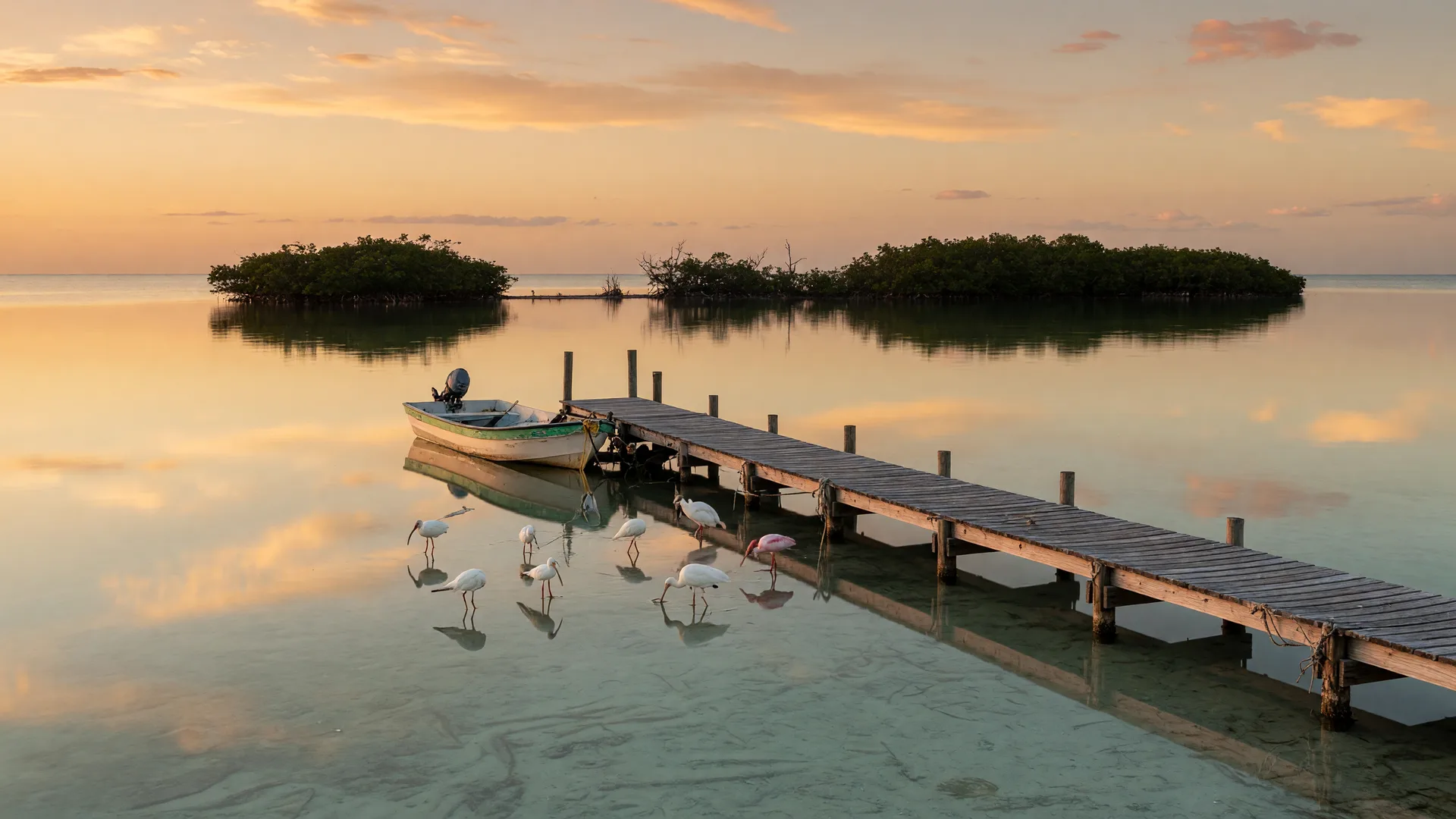
The Quiet Side of Paradise: Florida Bay Waterfront Living in the Upper Keys
The Atlantic side gets the headlines. Florida Bay gets the sunsets, the calm water, and a kind of waterfront privacy money cannot buy on a busy canal. This is the bayside luxury story of the Upper Keys.
Key Takeaways
- Florida Bay frontage is the calm side of the Upper Keys: protected shallow water, mangrove-edged shoreline, and some of the island chain's most spectacular sunsets.
- Bayside living trades open-ocean swell for quiet water you can paddle, pole, and run a shallow skiff across, which suits kayakers, sailors, and families alike.
- Bayside waterfront can still be boater's waterfront when the canal system delivers: depth at the dock, clearance at the bridges, and a short run to protected flats.
- Shallow shoreline and lower elevation make seawall, flood zone, and finished floor elevation even more important on the bayside, where a licensed contractor's eye earns its keep.
- In the luxury picture, bayside waterfront is a character story: a distinct buyer, a view that can never be built out, and a quieter rhythm of ownership that holds its own appeal over time.
Most of the attention in the Florida Keys waterfront market falls on the Atlantic side, where wide canals empty straight into deep blue water and sportfishing yachts rule the docks. But every island in the Upper Keys has a quieter face, the bayside, where Florida Bay spreads gold and turquoise to the horizon and the water is shallow enough to stand in a mile from shore. This is the definitive guide to bayside waterfront living, and why it may be the most understated luxury the islands have to offer.
The Other Waterfront
Every island in the Upper Keys runs like a knife blade: ocean on one side, bay on the other. The Atlantic side is the showpiece, with its deep canals, reef access, and the sportfishing culture that made Islamorada famous. The bayside is the counterweight, protected from ocean swells, open to the low golden sun, and fronted by the same water that flats fishermen pole over on the way to a permit or a bonefish. They are two halves of the same paradise, and buyers who only look at one side miss half the story.
For a precise sense of how the two sides differ, my guide to bayside, oceanfront, and gulfside waterfront living compares them feature by feature, from water depth to maintenance to day-to-day feel. The short version: the bayside is where the Keys slow down. It is the water you swim in, paddle across, and watch turn pink at the end of the day, and it is the frontage that keeps its view no matter how the neighborhood grows.
Sunsets and Still Water: The Daily Luxury
The defining luxury of bayside living is exposure. Bayside homes face west across the open bay, which means the sunset is a nightly event and the light is never stolen by a neighbor's roofline. On a still evening, the bay becomes a mirror, doubling the sky so that the whole world sits on the water. That daily show is the reason some buyers drive past deep-water canal homes to reach the bayside, and it is the feature that makes the memory outlast any upgrade list.
The water itself is the second luxury. Florida Bay is shallow and protected, a giant salt flat enlivened by channels, seagrass, and the mangrove islands scattered across the horizon. There is no surf, no breaking swell, and no big-water anxiety. Kayaks, paddleboards, and shallow skiffs live easily at a bayside dock, and the calm makes it the water of choice for families, photographers, and anyone whose version of luxury is a quiet evening on the water rather than a tournament-ready wake.
Families discover the bay the same way. Swimming off a shallow dock is easy when the water runs only a few feet deep and the bottom is soft sand and grass. Kids learn to paddle and pole years before they ever handle a steering wheel. And the evenings take care of themselves: dinner on the dock, the sky turning coral over the bay, and the mangrove line going dark in the last light. The bayside compresses a whole week of vacation into an ordinary Tuesday, which is exactly the point of owning on the water in the first place.
The Bayside Boat Life
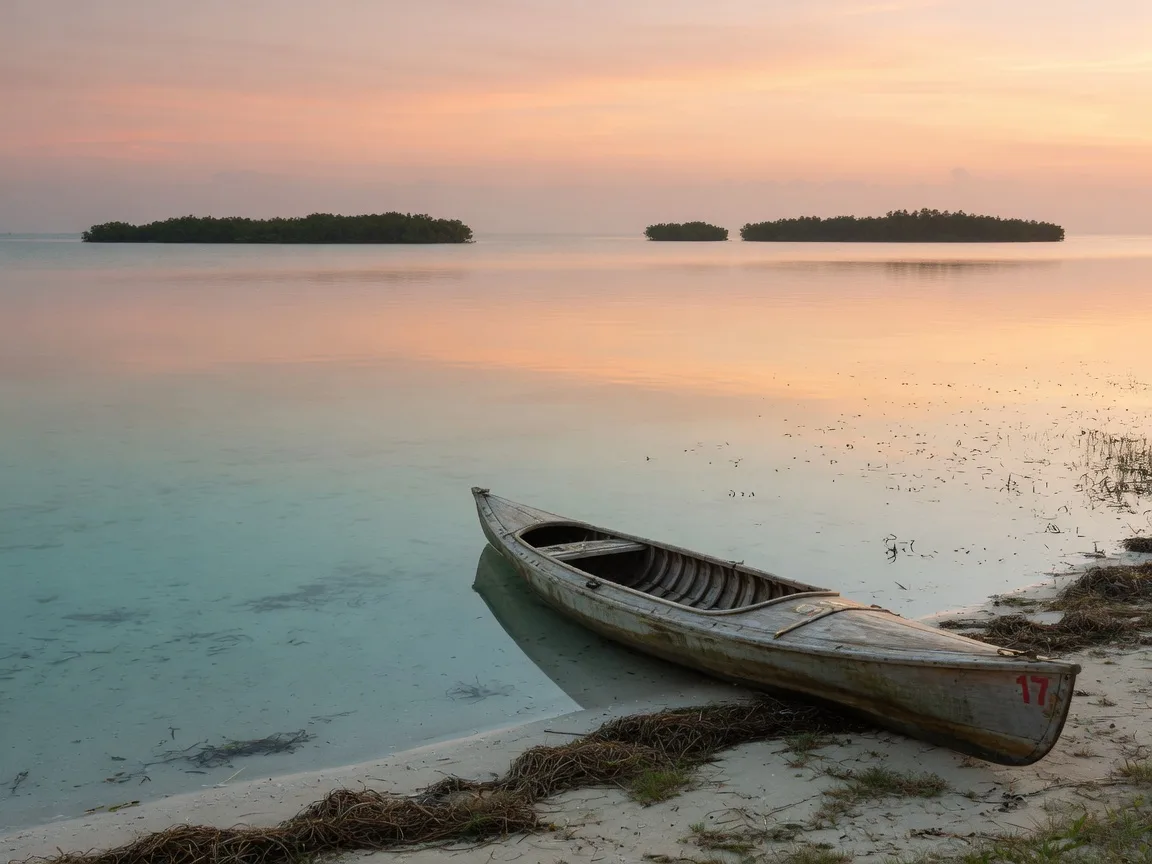
There is a myth that bayside waterfront is not boater's waterfront. In truth, the bay is home to some of the finest shallow-water boating in the world: poling skiffs in a foot of water, backcountry runs through the mangroves, and protected cruises that never leave sight of land. What matters is the connection between your dock and the bay, which is exactly the same question a deep-water buyer asks, just in shallower tones. Depth at the dock, the width and clearance of the canal or channel, and the draft of the boat you actually run.
The kayaking and paddling culture of the Upper Keys was born on these flats, and the bayside is where it lives. For buyers with skiffs and sailboats, the lesson is simple: bring the boat's draft and mast to the property tour, and let me walk the water with you. A bayside dock that clears the way to open flats is a treasure, and one that sits behind a fixed low bridge changes the calculation entirely. The same discipline runs through my guide to buying a Florida Keys waterfront home for your boat, adapted here for shallow water.
Two practical notes for boaters on the bayside. First, tides matter more than they look: what is knee-deep at noon can be a firm sandbar at low water, and good poling skiffs are built for exactly that game. Second, the bay rewards patience over speed. The channels are shallow and the flats are wide open, so the boat that runs quiet and poles shallow covers more country than the deep draft that draws two feet. A bayside dock that puts you on these waters in ten minutes is worth more than a marina slip an hour away, and it is the kind of math I love to run with buyers out on a tour.
Building and Maintaining the Bayside Home
Bayside shorelines are lower and gentler than Atlantic-facing seawalls, which is most of their charm and a real part of their care. The contractor's eye matters more here, not less: finished floor elevation, flood zone, seawall condition, and the state of the mangrove shoreline all shape insurance cost and long-term maintenance. Because the bay is shallow, a failing seawall can go unnoticed longer than it would on an open-ocean frontage, and the mangroves that make the view so beautiful are protected by county and state rules about trimming and shoreline work.
None of this should scare a buyer; it should direct them. Homes built or renovated to modern Keys standards, raised, hardened, and documented, are exactly what I look for in every Upper Keys property I represent. As a licensed contractor and home inspector, I read a bayside home the way its next owner will have to maintain it, and my complete Florida Keys buyer's guide walks through seawalls, flood zones, and shoreline rules in plain language so the bayside's soft beauty never hides a structural surprise.
Where Bayside Living Concentrates in the Upper Keys
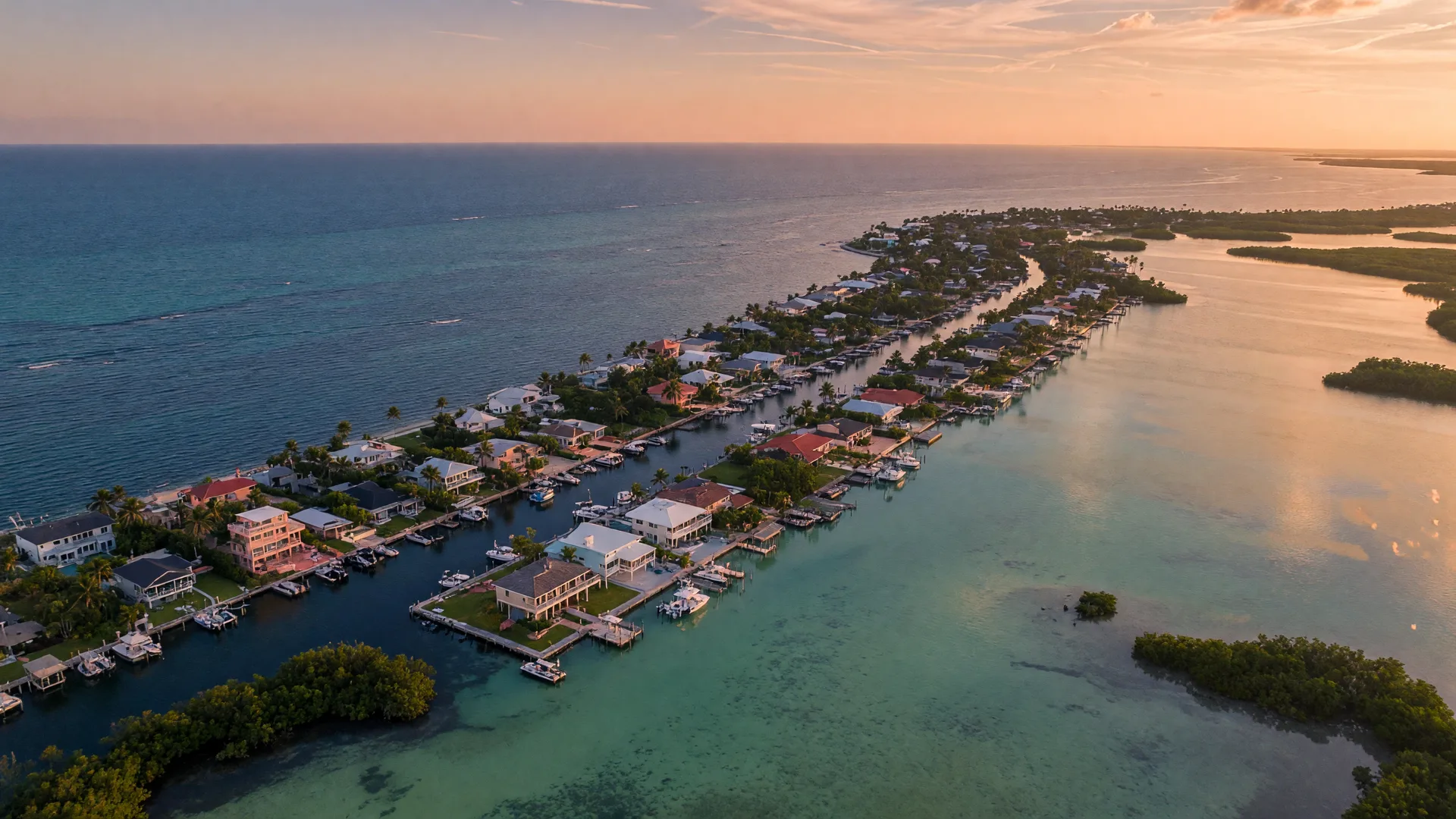
Bayside waterfront appears all along the Upper Keys, and each island puts its own stamp on it. Key Largo's bayside edge runs along Florida Bay with canals and quiet shoreline neighborhoods where the sunsets come early and the water stays glassy. Tavernier's bayfront is anchored by the creek and the protected basin that local boaters and paddlers use year-round. In Islamorada, the bayside wraps the residential side of the islands, where pockets of luxury homes sit directly on the flats with nothing but mangrove islands between them and the horizon.
The character differs, but the constants hold: open western views, calm protected water, and a pace that feels a half-step slower than the rest of the world. My Key Largo, Tavernier, and Islamorada community guides map these bayside pockets in detail, including the neighborhoods, the dockage, and the water access that define them. For a market-wide view of how frontage type shapes value, my Florida Keys luxury market report and the analysis in the oceanfront premium piece round out the picture.
The Investment Character of Bayside Waterfront
Bayside waterfront has its own investment character, and it deserves to be understood on its own terms. The buyer pool is real but distinct: people who value calm, sunsets, and shallow-water recreation over deep-water bragging rights. Scarcity works in its favor, because buildable open bay frontage in the Upper Keys is finite and protected, and no development can ever rise up and block a view across public water. The homes tend to attract owners who stay, which keeps turnover gentle and the character of the neighborhood stable. Return buyers tell me the same thing: they start their search on the ocean side, visit a bayside sunset, and quietly begin comparing calendars, because the water they see every evening matters more than the water they could race across on a Saturday. That emotional pull, together with the practical scarcity of open-bay frontage, is what gives bayside waterfront its staying power through changing markets.
None of this means one side is better than the other; it means the right side is the one that fits your life. The Atlantic side rewards the serious boater with deep draft and open water. The bayside rewards the soul with still evenings and unbuildable horizons. The wisest buyers in the Keys weigh both, tour both, and choose the frontage that matches the way they actually intend to live. That is a conversation worth having on the dock, with someone who knows both sides of the island.
If you are drawn to the quiet side of paradise, call Steve Conley at (305) 393-5859. I have walked Florida Bay's shoreline from Key Largo to Islamorada for more than three decades, and I will help you find the bayside home whose sunsets you will never get tired of.
The bay,
without the noise.
What makes Florida Bay waterfront different from the Atlantic side?
Florida Bay is shallow, protected, and open to the west, which means calm water, spectacular sunsets, and a quiet pace. The Atlantic side offers deep water and direct reef access. The right choice depends on how you plan to use the water.
Can I keep a boat at a bayside home in the Upper Keys?
Yes, when the dock and the water suit the vessel. Shallow skiffs, poling boats, kayaks, and paddleboards thrive on the bay. Larger boats work when canal depth, width, and bridge clearance cooperate, so match the boat to the water before you fall for the house.
Is bayside waterfront more affordable than oceanfront or deep-water canal?
Bayside properties are often priced differently from deep-water Atlantic-fronting homes because the boating capability differs, but value is set by features, condition, and location in every case. What matters is what the property delivers for the way you live, not a rule of thumb.
Do mangrove shorelines limit what I can do with a bayside lot?
Mangroves are protected in Florida, which limits trimming and shoreline alteration, but the preserved natural buffer is also what makes the view and the privacy so valuable. A licensed contractor and your real estate agent can explain exactly what is allowed on a given lot.
Where are the best bayside waterfront neighborhoods in the Upper Keys?
Bayside pockets appear all along Key Largo, Tavernier, and Islamorada, each with its own character and dockage profile. The community guides for each island go neighborhood by neighborhood so you can see which bayside setting fits your lifestyle.
Helpful Resources & Related Guides
Go deeper into the kinds of Keys waterfront, the quiet-water lifestyle, and the market context behind bayside luxury with these related guides.
Internal Resources

Steve Conley
Principal, Conley Sales Group at COMPASS, the exclusive Compass office in the Florida Keys. Licensed Sales Associate, Contractor, and Home Inspector with over 30 years and $1.4 billion in career sales serving the island chain.
Full Bio
Thinking About Buying or Selling
in the Florida Keys?
Steve Conley brings 30 years of Keys expertise, $1.4 billion in career sales, and contractor-inspector credentials to every waterfront search, on both sides of the island. Come see the bay at sunset and decide for yourself.
Connect with Steve