
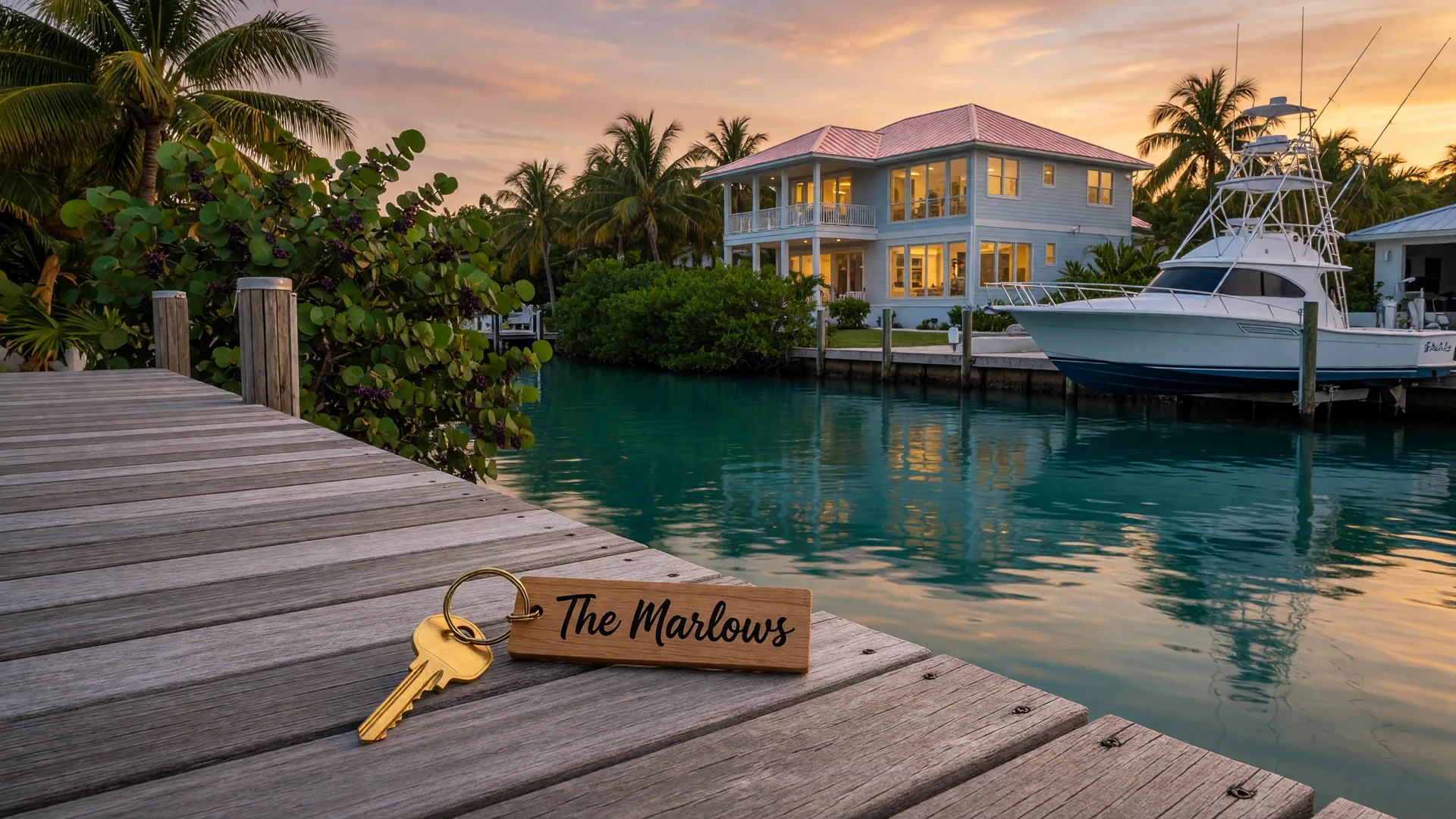
The First 90 Days After Closing: A Florida Keys Waterfront Buyer's Action Plan
Closing day is the finish line of the purchase and the starting line of ownership. Here is the action plan I give every Keys waterfront buyer for their first three months as an owner.
Key Takeaways
- Handle insurance before anything else: confirm your flood and wind coverage is bound, review the elevation certificate, and know your deductibles before a storm forecast exists.
- Book a marine infrastructure review in your first months: the seawall, dock, and boat lift are the most expensive systems you own, and small issues are far cheaper when caught early.
- Build a salt-air maintenance calendar around the metal roof, impact glass, coastal electrical, and exterior wood so seasonal attention never becomes a major repair.
- Treat hurricane season as a year-round mindset: shutters, generator, and an evacuation plan ready before the forecast, not during it.
- Transfer utilities, recorded documents, and permits promptly so the administrative details never turn into a costly surprise later.
Closing on a Florida Keys waterfront home is a milestone, but it is also the moment the real work of ownership begins. I have watched too many happy new owners spend their first months decorating and entertaining while the systems that make a waterfront property valuable quietly waited for attention. The first 90 days set the tone for everything that follows. As a licensed contractor and home inspector who has represented Keys buyers for three decades, here is the action plan I recommend, in the order it matters.
Week One: Insurance, Utilities, and the Paperwork That Protects the Purchase
The first week is about making sure nothing you just bought is exposed. Start with insurance. Confirm that your flood policy and wind coverage are bound and paid, and that the coverage limits match what your lender and your peace of mind require. Review the elevation certificate one more time with your agent so you know exactly how your lowest floor sits relative to base flood elevation. My guide to Florida Keys home buying insurance and flood zone requirements walks through the documents and the coverage decisions in detail.
Then handle the administrative list while it is fresh. Transfer utilities into your name, confirm the deed is recorded, and review the settlement statement against what actually left your account. If the property came with a dock, boat lift, or other marine structure that required permits, check that those permits are in your name or request the transfer. In the Florida Keys, most of these records run through Monroe County, and the county website is the fastest way to confirm what is on file for your parcel.
Two more items belong on the first-week list. Apply for the Florida homestead exemption if the home is your primary residence, because it can lower your property taxes and the window to claim it matters. And keep your title insurance and closing documents in a safe place, along with the elevation certificate and any survey. These are the records you will reach for again and again, for insurance renewals, for renovations, and for the day you eventually sell.
The Marine Assessment: Seawall, Dock, and Boat Lift
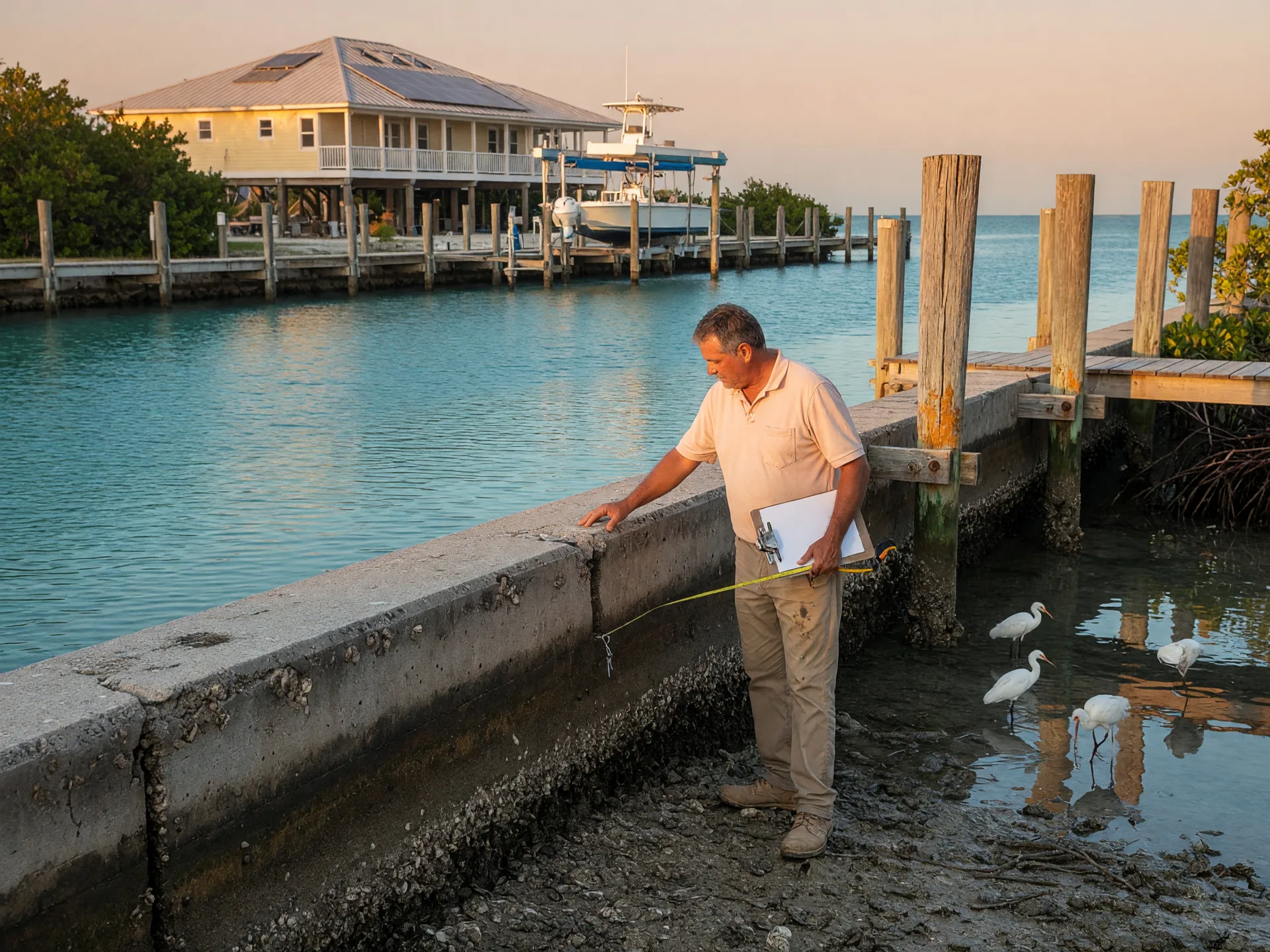
Within your first month, schedule a professional review of the structures that sit on the water. You had an inspection before closing, but that report was a snapshot at a moment in time. A post-closing marine assessment gives you a baseline for your own records and catches anything that changed or was simply noted for follow-up. I recommend bringing in a licensed marine contractor or inspector who specializes in seawalls, docks, and lifts. My guide to seawall and dock inspection for Florida Keys waterfront buyers lists what a qualified review covers from both the land and the water side.
Pay special attention to the seawall and its tie-backs, the dock pilings and stringers, and the electrical wiring on the dock and the boat lift. Salt air attacks all of them, and the difference between a seawall caught early and a seawall that fails is often just a few years of maintenance. The point is not to find problems; it is to know your starting condition so you can plan, budget, and enjoy the dock without worry.
This is also the time to make friends with the local marine trades. A good dock contractor, a boat lift service, and an electrician who knows coastal wiring are worth their weight in the first year. Ask neighbors for names, ask your agent for referrals, and keep a short list ready. In the Keys, the right contractor on speed dial is one of the most practical forms of home security you can buy.
Build Your Salt-Air Maintenance Calendar
The Florida Keys climate is glorious and unforgiving in equal measure. The same salt air, sun, and humidity that make the water sparkle corrode metal, fade finishes, and age seals faster than almost anywhere else in the country. The owners who protect their value are the ones who build a simple maintenance calendar and follow it.
Your standing-seam metal roof wants an annual inspection for lifted seams, corrosion at fasteners, and sealant that has dried out. Impact glass wants its tracks cleaned and its seals checked so the wind rating you paid for stays intact. Coastal electrical systems deserve an annual check of panels, outlets, and grounds. Exterior wood, whether on a wraparound porch, a dock, or trim, needs a sealing schedule before the sun turns it grey and brittle. None of this is glamorous, but each item is a fraction of the cost of the repair it prevents.
Hurricane Season Is a Year-Round Mindset
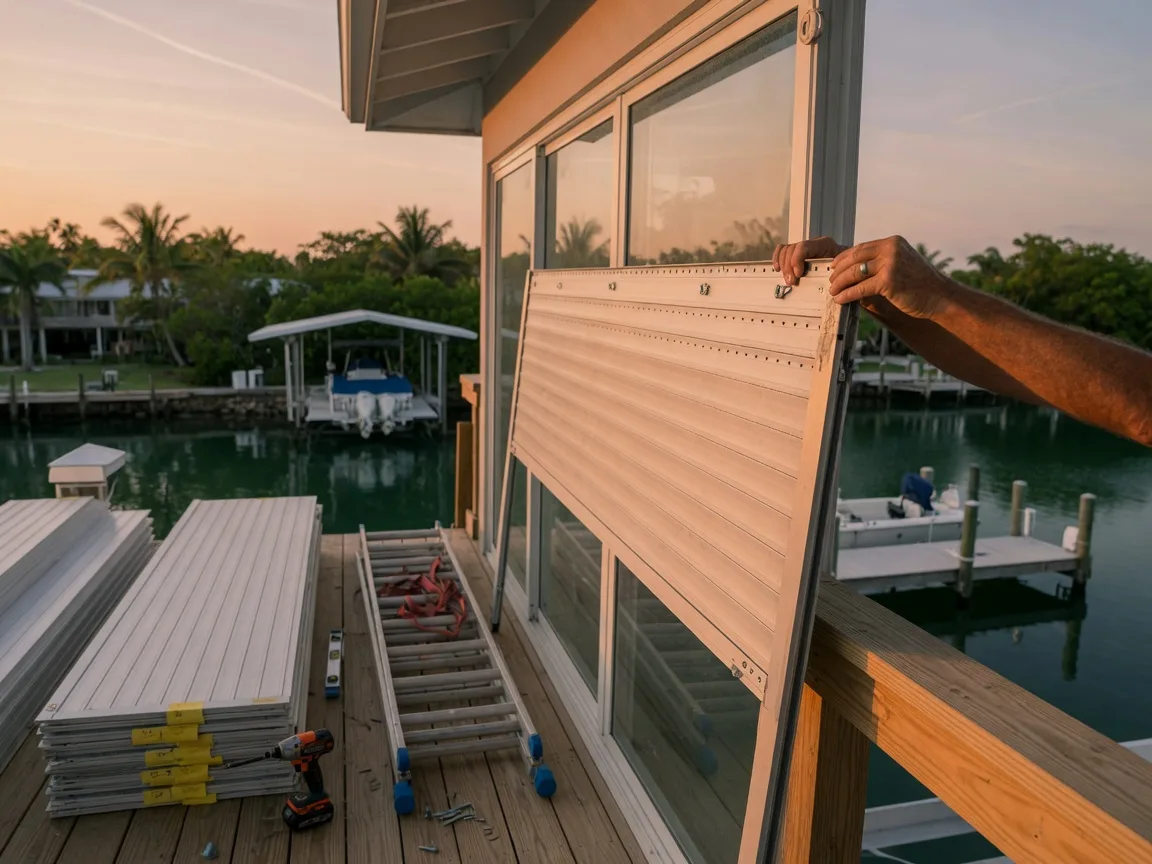
In the Keys, hurricane preparedness is not a fall activity; it is a state of mind. Use your first 90 days to get ready while the sky is clear. Test every shutter and confirm every opening is covered, including the ones you forgot during the walkthrough. Service or install a generator if you plan to ride out storms in place, and store fuel safely and legally. Write down your evacuation plan, including where you will take the boat or how you will secure it, and know your insurance deductible so a storm never forces a financial decision at the worst possible moment. My guide to living through hurricane season in the Florida Keys covers the preparation that turns a stressful forecast into a managed plan.
Get to Know Your Water and Your Neighbors
The final piece of the first 90 days is the fun part. Learn your water: pull the tide charts for your canal, note your depth at mean low water, and understand the winds that push across your particular stretch of shore. The more you know about your own water, the better every boating decision becomes. Introduce yourself to the neighbors on your dock line and in your community. In the Florida Keys, the dock is the great connector, and the people who live along your canal are the ones who will teach you the local quirks no manual covers. For a full picture of what everyday life looks like, start with my community guide to Key Largo luxury waterfront living and the wider Tavernier community profile.
Plan Your First-Year Budget
A waterfront home in the Florida Keys has a different cost of ownership than a home inland, and the first year is when the differences become real. Beyond your mortgage and insurance, plan for property taxes, flood insurance and wind coverage, and a maintenance reserve. Owners who budget a line item for marine upkeep, roof and exterior sealing, and seasonal storm preparation are rarely surprised; owners who skip it often are.
Think of your first year as an investment in knowledge. The maintenance you schedule now, the contractors you hire, and the systems you learn to read all compound. By the time year two arrives, you will know exactly what your property needs and what it costs, which makes every later decision, from renovations to an eventual sale, a confident one. The discipline of the first 90 days is what turns a purchase into a well-managed asset.
The Bottom Line
The first 90 days after closing are a window of attention that pays off for the entire time you own the property. Confirm your insurance, transfer the paperwork, establish your marine baseline, build your maintenance calendar, and prepare for storms while the sun is out. Do that, and you move from new owner to seasoned Keys waterfront owner with confidence instead of catch-up.
If you are in the process of buying a Florida Keys waterfront home, or have just closed and want a second set of eyes on your action plan, contact Steve Conley at (305) 393-5859. As the Principal of the Conley Sales Group at COMPASS, and with contractor and inspector licenses alongside three decades of Keys transactions, he can help you start ownership the right way.
After closing, answered.
What should I do first after closing on a Florida Keys waterfront home?
Confirm your insurance is bound and paid, review your elevation certificate, transfer utilities, and make sure the deed and any marine structure permits are properly recorded in your name. These basics protect the purchase while it is still new.
Do I need a separate marine inspection after closing?
Yes. Your pre-closing inspection was a snapshot in time. A post-closing review of the seawall, dock, and boat lift by a licensed marine specialist gives you a baseline for planning and budget, and it catches small issues before they become expensive ones.
What maintenance matters most for a Keys waterfront home?
The salt air makes coastal electrical, metal roofs, impact glass seals, and exterior wood the priorities. A simple seasonal calendar for each keeps small issues from becoming major repairs.
When should I prepare for hurricane season?
Immediately after closing, while the sky is clear. Test every shutter, service or install your generator, secure the boat, and write down your evacuation plan so a storm never forces a rushed decision.
Can you help me through the post-closing process?
Absolutely. As a licensed contractor and inspector, Steve Conley can review your marine infrastructure, help you build a maintenance plan, and connect you with trusted local contractors. Contact him directly to get started.
Helpful Resources & Related Guides
Build your Florida Keys ownership library with the community guides, the insurance and inspection resources, and the market data that turn a new key into confident island living.
Internal Resources
- Key Largo Luxury Waterfront Community Guide
- Insurance and Flood Zone Requirements for Keys Buyers
- Seawall and Dock Inspection Guide for Keys Buyers
- Living Through Hurricane Season in the Florida Keys
- The Complete Buyer's Guide to Keys Waterfront Homes
- Contact Steve Conley About Your New Waterfront Home

Steve Conley
Principal, Conley Sales Group at COMPASS, the exclusive Compass office in the Florida Keys. Licensed Sales Associate, Contractor, and Home Inspector with over 30 years and $1.4 billion in career sales serving the island chain.
Full Bio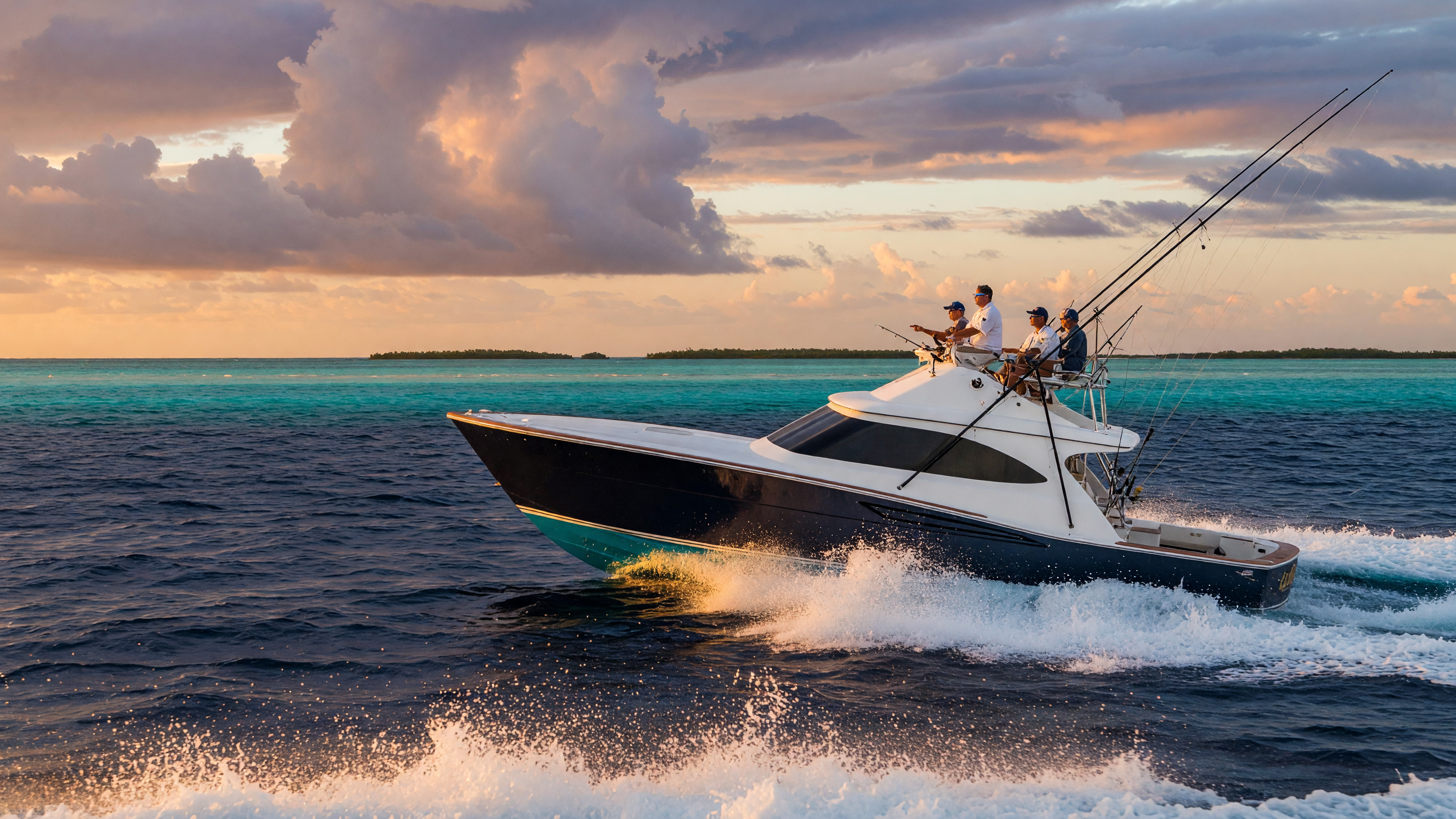
Thinking About Buying or Selling
in the Florida Keys?
Steve Conley brings 30 years of Keys expertise, $1.4 billion in career sales, and contractor-inspector credentials to every transaction. Let him help you from your first showing through your first 90 days as an owner.
Connect with Steve