
Selling a Luxury Waterfront Home in the Florida Keys: Positioning, Pricing, and Timing
Selling waterfront in the Keys is different from selling anywhere else. The buyer is standing on your dock before they ever walk through the door, and the price is set by the water, not the square footage.
Key Takeaways
- Waterfront buyers arrive by boat first: dock depth, seawall condition, the boat lift, and the view from the canal set the first impression and a large part of the value.
- Keys waterfront pricing is evidence-based: recent closed sales of comparable water, exposure, elevation, and dockage matter far more than price per square foot.
- The Keys market runs on a winter high season, and sellers who match their listing timing to the buyer calendar reach the fullest field of serious, qualified buyers.
- Pre-sale preparation is the highest-return work: an elevation certificate, clean insurance history, dock permits, and a marine-focused inspection answered before listing beat a price reduction later.
- A seller's agent who reads construction like a contractor and sells $1.4 billion of Keys waterfront knows what to fix, how to price it, and how to reach the out-of-state buyer who can actually close.
Selling a luxury waterfront home in the Florida Keys comes down to four things done well: positioning, pricing, preparation, and timing. In more than thirty years of Keys transactions, I have watched sellers win and lose on exactly these four, and very few of them are intuitive if you have only ever sold property on the mainland. This guide walks through how a waterfront home actually sells in our market, from the moment a buyer idles into the canal to the day a serious offer lands.
Why Selling Waterfront in the Keys Is Different
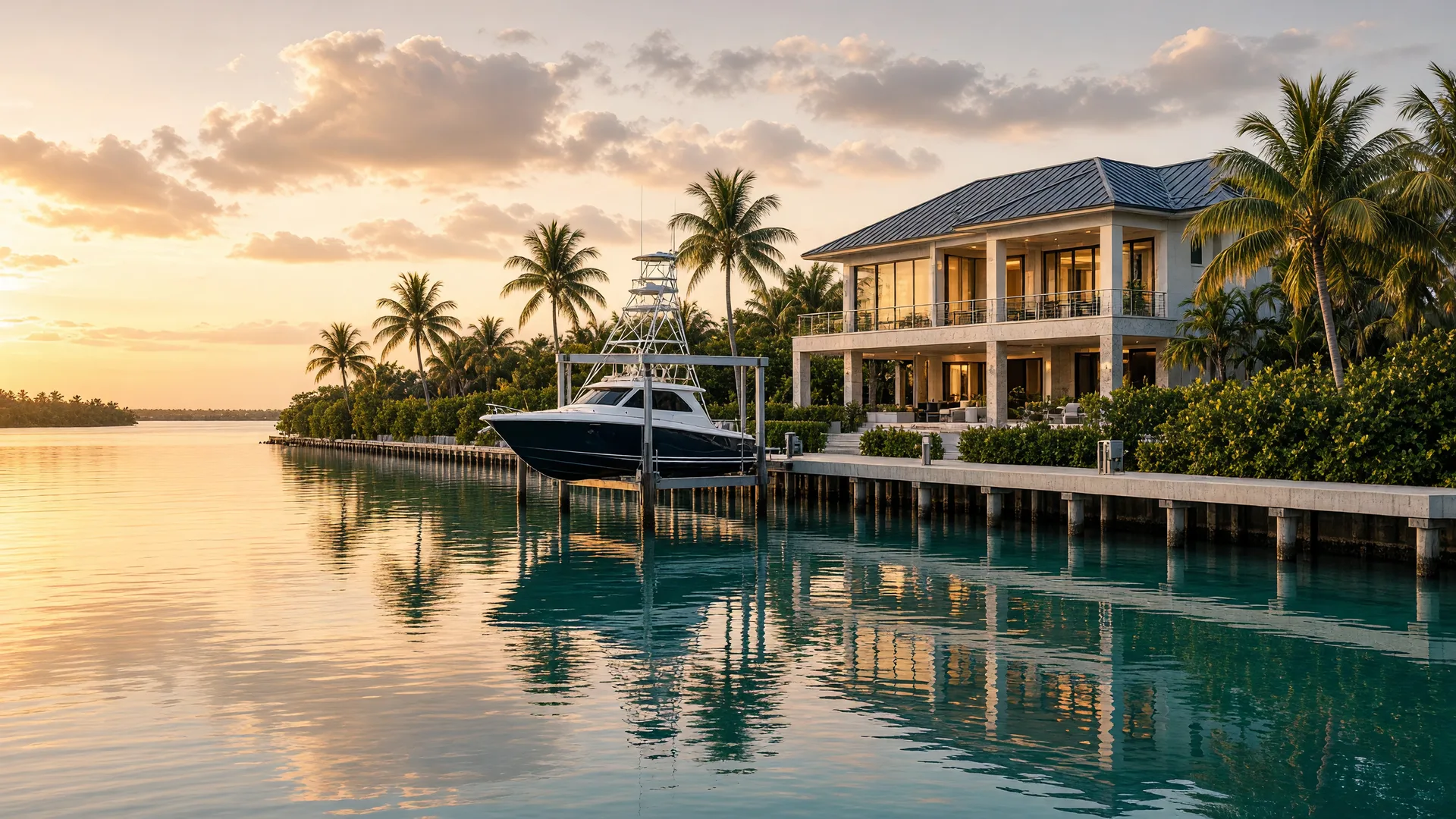
The first difference is the buyer's entrance. On the mainland, a buyer walks from the street to the front door. In the Keys, the buyer often arrives by boat, and the first impression is not the facade: it is the dock, the seawall, the lift, and the water itself. I have stood on the private dock of a deep-water canal estate while a buyer idled past slowly, turned around, and decided before ever stepping ashore whether the property was worth a tour. That judgment is made in seconds, and it is made about the water.
The second difference is the asset mix. A mainland suburban home prices on beds, baths, and square footage. A Keys waterfront estate prices on dock depth at mean low water, seawall condition, elevation, and open-water access, layered over the home itself. The same great room holds very different values in different canals, which is why pricing in our market is a specialty, not a spreadsheet exercise. My guide to how to value a Florida Keys waterfront home explains the six drivers from the buyer's side; the seller sits on the other end of the exact same formula.
The third difference is the buyer pool. Many of our buyers live out of state, own their boat before they own the property, and think in terms of a second home, a seasonal base, or a long-term legacy on the water. That group reads listings differently. They want the canal depth for their vessel, the minutes to open water, and confirmation that the dock was permitted. Speak to that buyer and you are speaking the language of the market.
The Dock Is Your First Impression
As with any luxury home, presentation matters, but on the water the presentation starts below the house. The seawall should be sound and clean along its full run, with any failed cap or cracked panel repaired before the first showing. The dock should be pressure washed, the boat lift serviced, lines coiled, and the mooring area free of clutter. Nothing signals a neglectful owner faster than a sagging dock, and nothing signals a proud steward faster than a dock that looks ready for guests.
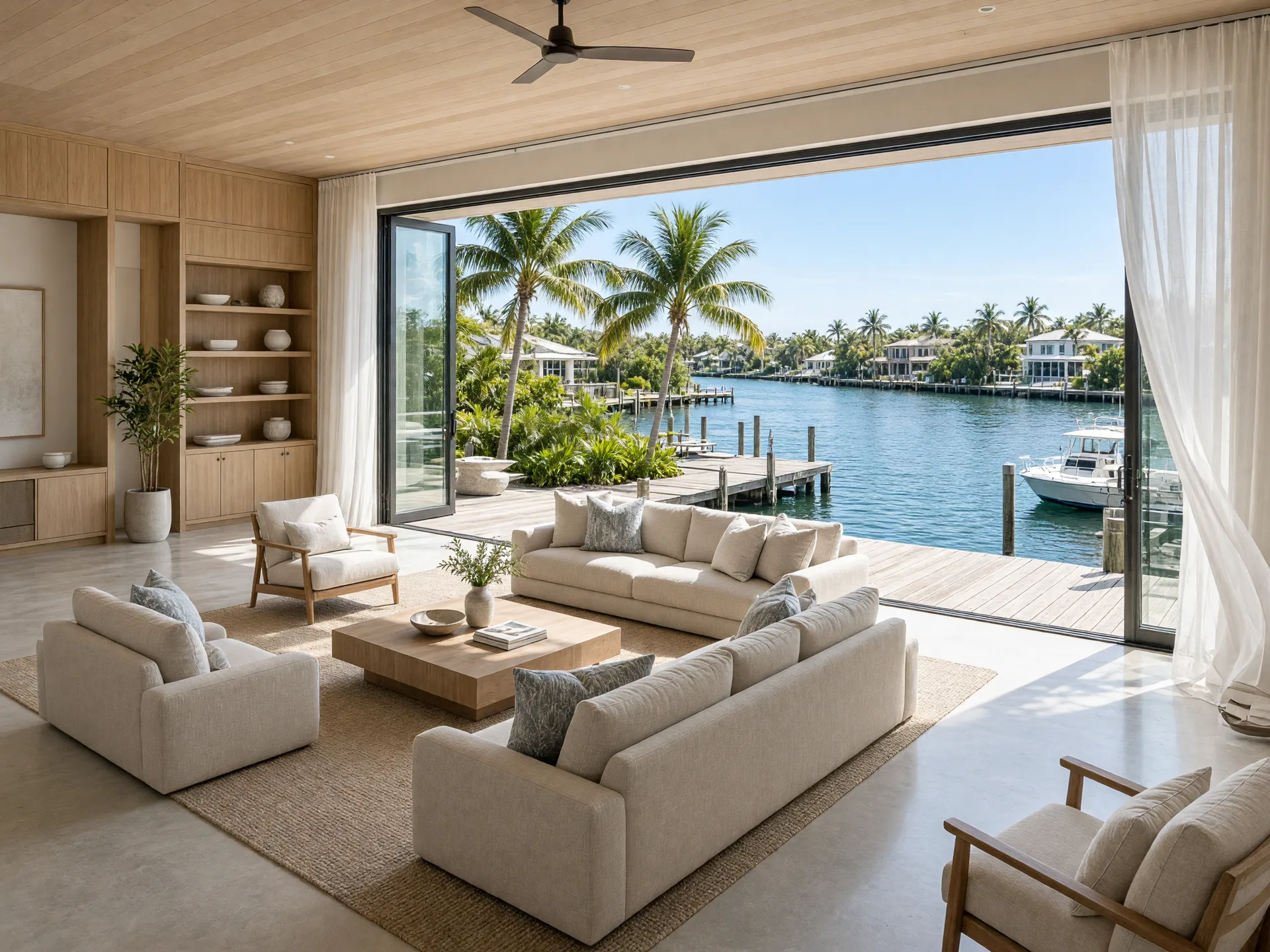
Stage toward the water. Move the furniture so the best view of the canal or bay frames the room, open the impact glass, and let the indoor-outdoor flow do the selling. Photograph from the water as well as from land, because the image a buyer sees first is often the drone shot from the canal, and it should show an estate that looks as good approaching as it does standing on the lawn.
Neighborhood context helps too. Buyers cross-shopping the Upper Keys read the Key Largo luxury waterfront community guide, and the guides for Tavernier and Islamorada, before they ever call, and your agent should be able to place your listing inside that map with confidence. A listing that explains its neighborhood, its canal, and its boating access invites the comparison that ends in an offer.
Price With Waterfront Evidence, Not Square Footage
Pricing is where most Keys sellers leave money on the table, and it is almost always because the number was set against the wrong evidence. A waterfront price is built from recent closed sales of comparable water: properties with similar dock depth, seawall condition, elevation, exposure, and lot width on the water. Adjust for the differences a waterfront buyer actually pays for, and resist the temptation to anchor on what a neighbor once thought their home was worth. The Keys luxury waterfront market report tracks inventory and pricing at the community level, and it is a useful second opinion for every asking price.
The danger in our market is optimism. Overpricing a waterfront home does more than slow the sale. In a niche market with a short list of qualified buyers, a listing that lingers sends a signal, and the market reprices it for you, usually faster and harsher than you would have chosen. The sellers who net the most are the ones who price at the evidence, prepare the property so the evidence is strong, and then let qualified buyers compete.
Time the Listing to the Keys Calendar
The Keys market has a rhythm, and it is largely a winter rhythm. The high season runs from roughly the winter holidays through early spring, when snowbirds, second-home buyers, and full-time relocators are on the islands in force. Winter brings the most serious buyers, the fullest showing schedules, and the strongest competition for waterfront inventory. Spring follows with a fresh wave of listings, and summer and fall are quieter, with fewer buyers and more patient negotiation.
If your timeline allows, the winter window is the strongest season to enter the market, but the season that fits your property and your plans can still work. A home that shows beautifully year-round can list in the quieter months with less competition and reach exactly the buyer who is ready. The calendar that matters is the one my guide to the best time to buy a Florida Keys waterfront home maps from the buyer's side, and the seasons apply in reverse for you: winter demand is winter demand, whether you are buying or selling.
Hurricane season adds its own note. From June through November, buyers with boats and lenders with flood policies move more slowly, and the paperwork burden grows. If you are listing in that window, have every wind mitigation and insurance document ready before the first offer arrives, because nothing slows a waterfront closing like a document discovered at the last minute.
Prepare the Paperwork Before the First Showing
The buyers who can afford Keys waterfront are usually the buyers who do their homework, and their agents will ask for documentation early. Gather the elevation certificate, the flood insurance claim history, any wind mitigation reports, the survey, the dock permits and any submerged land authorization, recorded canal depth information, and the HOA or ARCO documents if the community has them. If the parcel carries a building allocation, be ready to show its status. Buyers who learn about Monroe County's development caps from their attorney will want the answer in writing.
The single most useful pre-sale step is an inspection by someone who reads marine construction, not just drywall. A licensed contractor or inspector can flag the seawall, pilings, roof, and impact glass issues that would otherwise surface as a negotiating credit after the offer arrives. Fix the small ones, price the large ones, and let the buyers see the property with the same assurance you would want as a buyer. The complete Florida Keys waterfront inspection checklist my buyers use is the same checklist a seller should run in reverse before listing.
Market to the Buyer Who Can Actually Close
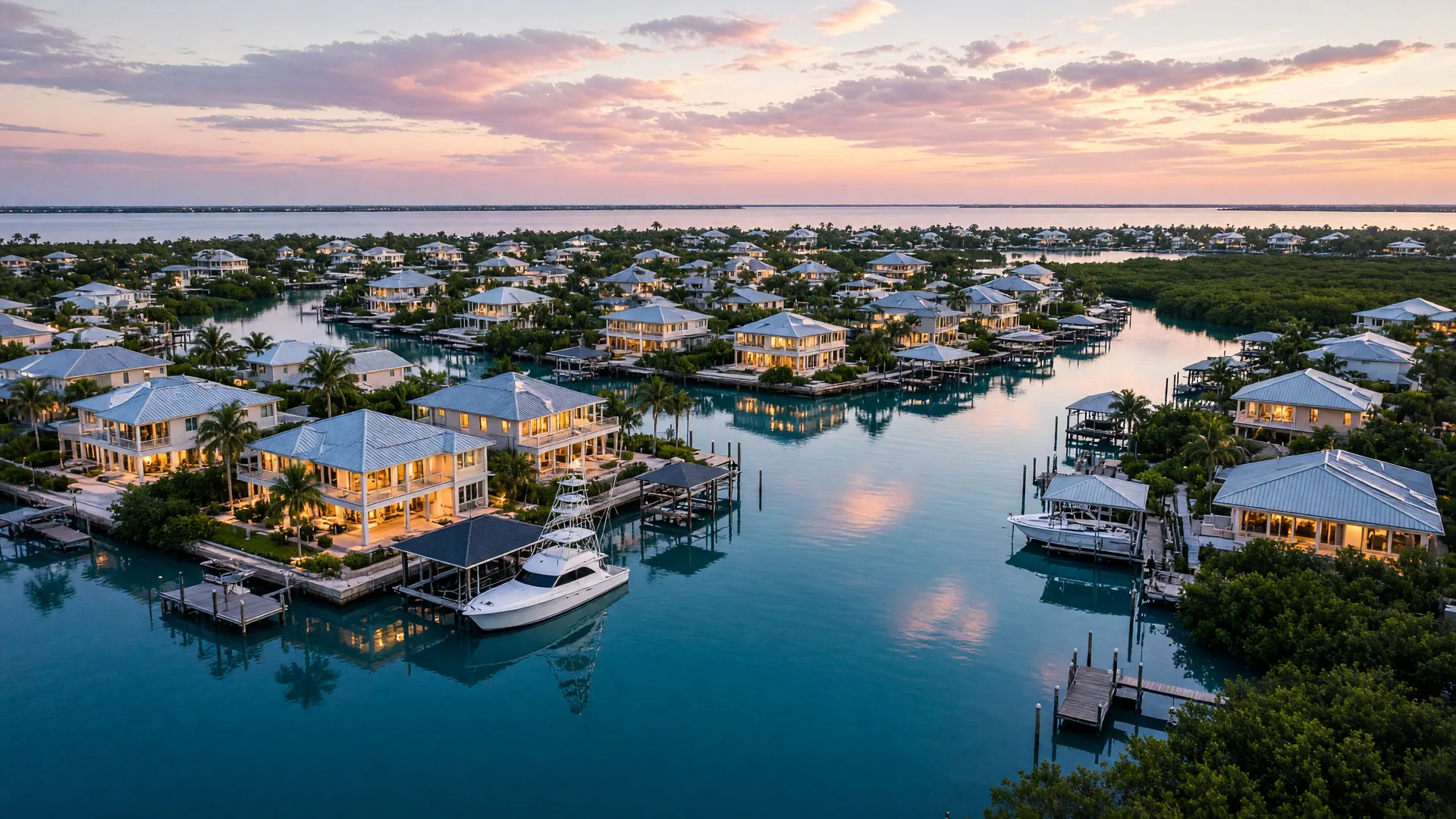
Marketing Keys waterfront is a media problem as much as a listings problem. The buyers are scattered across the country, and most of them meet your home on a screen first. Water-forward media earns the longer look: drone footage that begins at the canal mouth and ends at the front door, video of the boat run to open water, and photography captured at the hour your view is best. Listings that show the boating life answer the questions a waterfront buyer is already asking.
Broker cooperation and off-market networks matter even more. Some of the finest waterfront properties in the Upper Keys change hands before they ever reach the public feeds, and a seller who works with an agent wired into the marina crowd and the out-of-state buyer base reaches a wider market than the MLS alone can deliver. My complete seller's guide for Florida Keys waterfront walks the strategy end to end, and the team that executes it is a COMPASS team with national reach and island roots.
The Bottom Line
Selling luxury waterfront in the Keys is a specialty, but it is a learnable one. Position the dock like a proud owner, price on the evidence the water provides, time the listing to the buyer calendar, prepare every document before it is requested, and market to the buyer who can actually close. Do those five things and the sale follows the market's own momentum.
When you are ready to talk it through, contact Steve Conley for a straight assessment of your home's position, price, and timing. Thirty years on these islands, a licensed contractor's eye, a licensed inspector's eye, and $1.4 billion in career sales go into every listing presentation, because a waterfront home deserves a seller's agent who sees what the water sees.
Selling your Keys waterfront, explained.
How do you price a luxury waterfront home in the Florida Keys?
With evidence from comparable waterfront sales, not price per square foot. Dock depth at mean low water, seawall condition, elevation, exposure, lot width on the water, and the boating access all adjust the number, and a certified market analysis against recent closed sales sets the asking price that qualified buyers will actually respond to.
When is the best time to list a Florida Keys waterfront home?
Winter is the strongest window: the high season from around the holidays through early spring brings the deepest pool of serious snowbird and second-home buyers. Spring and summer still work, especially for properties that show beautifully year-round, and the quieter months offer less competition for the seller who is ready.
What waterfront repairs pay off before you list?
The items buyers inspect first: the seawall line, the dock and boat lift, the roof, impact glass, and pilings. A marine-focused inspection before listing surfaces the negotiable issues early, so you can fix the small ones and price the large ones honestly instead of surrendering them as surprise credits after the offer.
What documents should a Keys waterfront seller have ready?
The elevation certificate, flood insurance claim history, wind mitigation reports, the survey, dock permits and submerged land authorization, canal depth records, HOA or ARCO documents, and the parcel's building allocation status. Buyers and their attorneys will request all of it, and having it in hand before the first showing keeps momentum on your side.
Do luxury waterfront homes in the Keys sell through public listings or off-market?
Both. The finest deep-water estates often trade through off-market networks, broker cooperation, and existing buyer relationships before a public launch, while many others sell through the MLS with strong media. The right strategy depends on the home, and an agent with both channels in reach gives a seller every option.
Helpful Resources & Related Guides
Go deeper on the luxury waterfront market in the Keys: the value drivers behind your price, the seasonal calendar that sets your timing, and the communities where your buyer is looking.
Internal Resources
- Key Largo Luxury Waterfront Community Guide
- How to Value a Florida Keys Waterfront Home: The Six Price Drivers
- What Different Price Tiers Buy in the Keys Luxury Market
- The Best Time to Buy in the Florida Keys: The Market Calendar
- Selling Luxury Waterfront in the Florida Keys: The Complete Seller's Guide
- Keys Luxury Waterfront Market Report
- Contact Steve Conley About Selling Your Keys Waterfront

Steve Conley
Principal, Conley Sales Group at COMPASS, the exclusive Compass office in the Florida Keys. Licensed Sales Associate, Contractor, and Home Inspector with over 30 years and $1.4 billion in career sales serving the island chain.
Full Bio
Thinking About Buying or Selling
in the Florida Keys?
Steve Conley brings 30 years of Keys expertise, $1.4 billion in career sales, and contractor-inspector credentials to every transaction. Whether you are selling a deep-water estate or buying your second home in paradise, let him match the plan to the property.
Connect with Steve