
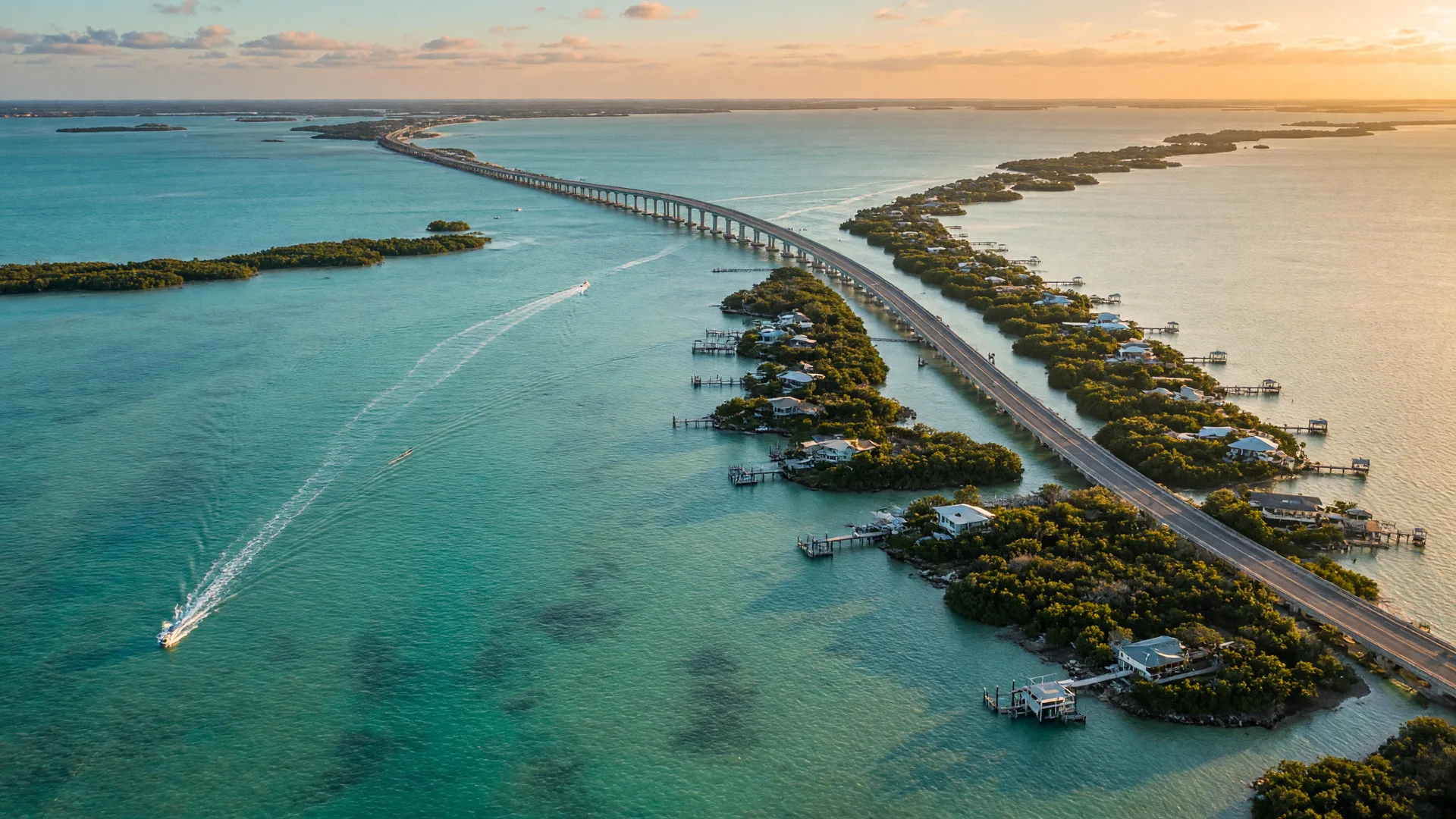
The Neighborhoods of Islamorada: A Community Guide to Windley Key, Plantation Key, and the Matecumbe Keys
Islamorada is a village of islands, each with its own character, waterfront, and rhythms. Knowing which island fits your life is the first step to finding the right home in the Sportfishing Capital of the World.
Key Takeaways
- Islamorada is a village of four inhabited islands: Plantation Key, Windley Key, Upper Matecumbe Key, and Lower Matecumbe Key, each with a different waterfront character.
- Plantation Key holds the village's municipal heart, anchored by Founders Park and schools, while Windley Key offers classic small-island charm with Theater of the Sea and the fossil reef park.
- Upper Matecumbe Key is the cultural center, home to the Morada Way Arts District, while Lower Matecumbe Key is the bayside village of Robbie's and the gateway to Indian Key.
- Waterfront styles differ island to island: deep-water ocean and canal frontage, protected bayside basins, and quiet mangrove shoreline each suit a different kind of boat and lifestyle.
- Matching the island to your habits, from where you launch the boat to where you walk in the evening, matters more than any single listing detail.
Islamorada is not a single town with one waterfront. It is a village of islands, four inhabited keys joined by the Overseas Highway and known collectively as the Sportfishing Capital of the World. Plantation Key, Windley Key, Upper Matecumbe Key, and Lower Matecumbe Key each have their own shoreline, their own anchor points, and their own feel. For buyers, that is the real question beneath every listing: not just which home, but which island. This guide walks each island, what makes it distinct, and how to match it to the life you want to live.
A Village of Islands
Islamorada was incorporated in 1997 as the Village of Islands, and the name is literal. The village spans roughly eighteen miles of the Overseas Highway, from the west end of the Channel Two bridge to the Tavernier Creek bridge, wrapping four main keys and a scatter of smaller islets in between. Driving south from Key Largo and Tavernier, you cross onto Plantation Key first, then Windley Key, then Upper Matecumbe, then Lower Matecumbe, and the character shifts at every bridge crossing.
Each island grew around water. Canals were dredged for homes and boats, bayside basins were turned into marinas, and the ocean side kept its reef access. The result is that the village offers nearly every flavor of Keys waterfront, from deep-water canals that hold a sportfishing yacht to quiet shallows where the family skiff lives on a lift. The Islamorada luxury waterfront community guide covers the market as a whole; this guide zooms in on the islands themselves.
Plantation Key: The Village's Front Door
Plantation Key is the first and largest of the village's islands, the one you reach as the highway bends south from Tavernier. It is the most residential of the four, with neighborhoods tucked between the highway and the water on both sides. Many of the village's everyday anchors live here: Founders Park, the bayside municipal park that the village calls its jewel by the ocean, with a protected swimming area, ballfields, playgrounds, and pavilions, is a gathering point for families on weekends.
For families and full-time residents, Plantation Key has a practical advantage: it is the closest of the Islamorada islands to the schools and services of the Upper Keys, while still feeling completely island. The canals here vary widely, which means value varies widely too. Deep-water canals with direct ocean access sit within minutes of quieter, protected basins, and a good agent will show you the difference side by side. My guide to the neighborhoods of Key Largo covers the island just to the north, and the same advice applies here: walk the canals, check the depths, and match the water to your boat before you match the house to your eye.
Windley Key: Small Island, Deep Roots
Windley Key is the smallest of the village's inhabited islands, but it carries an outsized share of Islamorada history. The island was once the site of a coral-rock quarry, and the fossilized coral reef that shaped it is now preserved at Windley Key Fossil Reef Geological State Park, a bayside park that shows you the geology under every canal in the Keys. On the ocean side, Theater of the Sea has been introducing visitors to marine life since 1946, one of the oldest marine parks in Florida.
Windley Key is where the village's older island character survives most visibly: lower-profile housing, mature trees, canals with character, and a pace that feels unhurried. Bayside homes here look over the flats and mangroves of Florida Bay, while oceanside parcels offer the reef and offshore fishing just beyond the dock. For buyers who want the true Keys classic, the old-island feel without the crowds, Windley Key is often the quiet answer, and its canal homes can represent better value than the trophy frontage on the larger keys.
Upper Matecumbe Key: The Cultural Center
Upper Matecumbe Key is the historic heart of the village, and it is where Islamorada's cultural life is concentrated. The Morada Way Arts and Cultural District, an oceanside stretch of galleries, studios, and cafes, is the only true downtown between Miami and Key West. First Friday art walks, live music, and gallery openings give the key a rhythm you will not find anywhere else in the Upper Keys. The district sits between two landmarks everyone learns quickly: the Green Turtle Inn and the Hurricane Monument, the memorial to the 1935 Labor Day hurricane that reshaped the Matecumbe islands.
Living on Upper Matecumbe means walking to dinner, running into neighbors at the coffee bar, and being minutes from some of the finest oceanfront and canal frontage in the Keys. The island also hosts major resorts and deep-water marinas, which is why it is the address of choice for many part-time residents who want both trophy waterfront and a walkable village life. My guide to the Islamorada art, culture, and community lifestyle goes deeper into that scene for anyone weighing the move.
Lower Matecumbe Key: Bayside Village and Wild Water
Lower Matecumbe Key is the southernmost of the village's islands, and its personality is shaped by the water on both sides. On the bayside, the highway meets the flats at Robbie's, the marina and tarpon-feeding dock that has greeted travelers since the road first reached the island, and where families still feed the giant tarpon that crowd the shallows. From here you can see Indian Key and Lignumvitae Key out on the bay, islets worth their own day trips by boat or kayak.
The island is quieter and more spread out than Upper Matecumbe, with stretches of protected shoreline, flats-style bay water, and some of the village's best sunset views over Florida Bay. It suits buyers who want to be part of the Keys but at a slower tempo, and who spend their weekends on the flats rather than at the galleries. The Florida National High Adventure Sea Base is also based here, a reminder of how deeply the island is tied to being on the water. My guide to canal living in Islamorada explains the dockage and water styles you will see across all four keys, including Lower Matecumbe's protected basins.
Matching the Island to Your Waterfront Habits
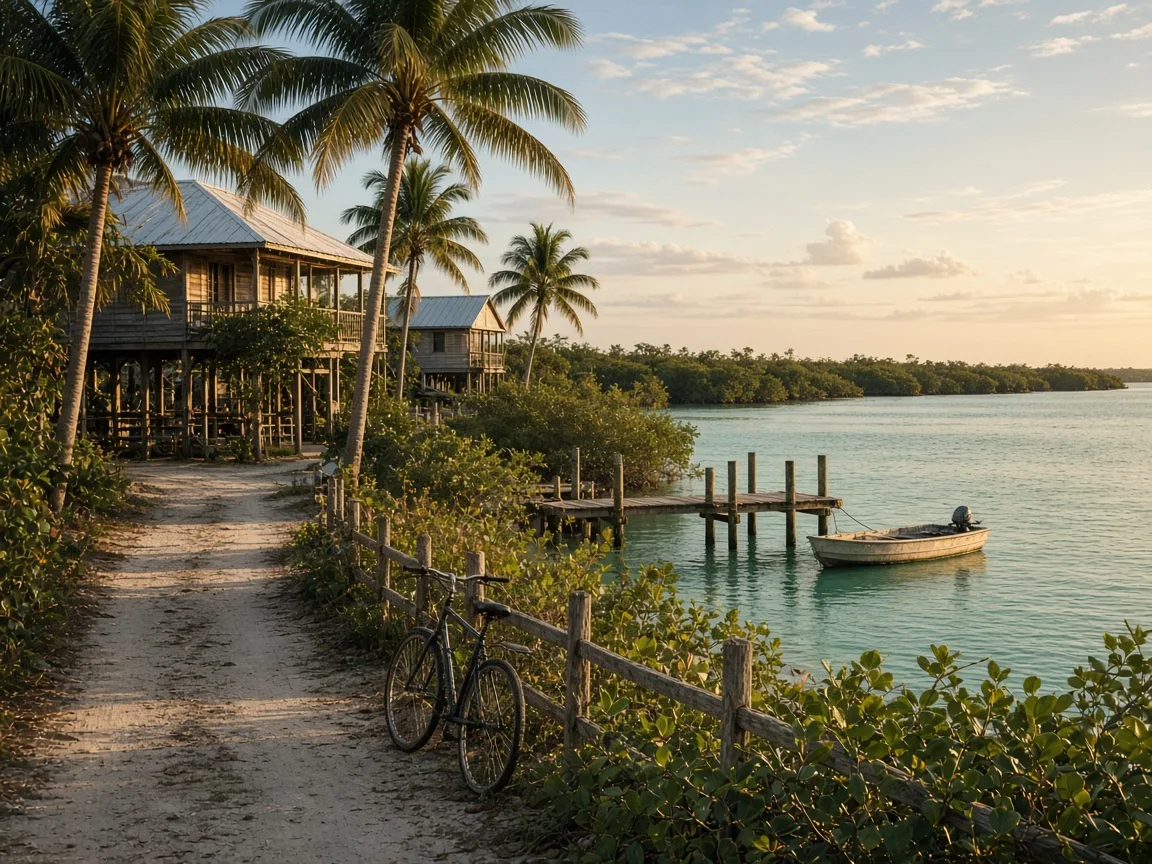
The best way to choose among the islands is to be honest about how you actually use the water. If your week is built around offshore fishing at first light, you want a deep-water canal or oceanfront dock on the ocean side with fast, reliable access to the reef and the Gulf Stream side of the Keys. If your boat is a skiff and your weekends are spent poling the flats, a bayside basin on Lower Matecumbe or a quiet Windley canal might serve you better and cost less.
If you rarely use the boat but love the village culture, Upper Matecumbe's walkability outweighs the dock. If you are raising a family and need parks, ballfields, and school runs, the Plantation Key end of the village shortens every errand. There is no best island in the abstract. There is only the island that matches the life you intend to live, and the homes that fit it.
The Rhythm of a Year on the Islands
Season to season, the islands develop different accents. High season brings anglers and boaters from across the country, and the marinas hum from Thanksgiving through Easter. Summer belongs to the flats, the sandbars, and the families who live here full time, with tournaments and community fairs filling the calendar. Fall is the quiet, resetting season, when residents take the Keys back and the water turns glassy.
Newcomers often ask which island feels most like a community, and the honest answer is that all four do, each in its own cadence. The village's events, markets, and volunteer groups pull the islands together, and I have written about how the community life of the Upper Keys works for new neighbors. What differs is the backdrop: the beach at Founders Park, the gallery steps on Morada Way, the dock rail at Robbie's. Choose the backdrop you love, and the community follows.
The Bottom Line
Islamorada rewards buyers who take the time to know the islands. Plantation Key brings schools, parks, and convenience. Windley Key preserves the old-island feel. Upper Matecumbe delivers culture and walkability. Lower Matecumbe offers quiet bayside living and the flats. Each one has waterfront worth wanting, and each one is a genuine neighborhood with its own people and rhythm.
When you are ready to explore, start by spending a day on each island: coffee in the arts district, lunch bayside on Lower Matecumbe, an afternoon at Founders Park with the kids. Then contact Steve Conley to tour homes that actually fit how you want to live. With island-by-island knowledge of the market, I can point you to the canals, the docks, and the communities that match your life in the Sportfishing Capital of the World.
The islands of Islamorada, explained.
Which islands make up Islamorada?
Islamorada, the Village of Islands, is made up of four inhabited keys: Plantation Key, Windley Key, Upper Matecumbe Key, and Lower Matecumbe Key, with smaller islets like Indian Key and Lignumvitae Key lying offshore in Florida Bay.
Which Islamorada island is best for families?
Plantation Key is the most convenient for family life. It is the first island you reach from the Upper Keys, and it holds Founders Park, the village's bayside municipal park with a swimming area, ballfields, and pavilions, alongside schools and everyday services just across the bridges.
Where is the cultural heart of Islamorada?
Upper Matecumbe Key. The Morada Way Arts and Cultural District, an oceanside collection of galleries, studios, and cafes between the Green Turtle Inn and the Hurricane Monument, is the village's downtown and the center of its art walks and live music.
How do the waterfront styles differ across the islands?
Broadly, ocean-side parcels on Windley, Upper Matecumbe, and Plantation offer reef and offshore access, while bayside parcels look over Florida Bay and the flats. Lower Matecumbe is known for protected bayside basins and sunset views, and deep-water canals exist on all four keys at varying depths.
Is Islamorada a good choice for second-home owners?
Very. The village combines trophy waterfront, marinas, dining, and a walkable arts district on Upper Matecumbe, while the quieter islands suit buyers who want a slower pace. Part-time residents are a large share of the community, and the village is built around that rhythm throughout the high season.
Helpful Resources & Related Guides
Explore the Islamorada community further, from the water styles of its canals to the neighboring islands, and the lifestyle guides that show what living here really feels like.
Internal Resources

Steve Conley
Principal, Conley Sales Group at COMPASS, the exclusive Compass office in the Florida Keys. Licensed Sales Associate, Contractor, and Home Inspector with over 30 years and $1.4 billion in career sales serving the island chain.
Full Bio
Thinking About Buying or Selling
in the Florida Keys?
Steve Conley brings 30 years of Keys expertise, $1.4 billion in career sales, and contractor-inspector credentials to every transaction. Let him match you to the island and the waterfront that fit the life you want.
Connect with Steve