
The Fishing Community of the Florida Keys: Tournaments, Clubs, and How the Water Brings Neighbors Together
Fishing is how the Keys make a living, how they play, and how they know one another. Here is how the water builds community from Key Largo to Marathon.
Key Takeaways
- Fishing is the social backbone of the Florida Keys: the tournaments, clubs, and dockside gatherings are how islanders meet, belong, and stay connected to the water.
- Islamorada, the Sportfishing Capital of the World, anchors the tournament calendar with events like the Islamorada Sailfish Tournament and the Cheeca Lodge Presidential Sailfish Tournament.
- Fishing clubs such as the Islamorada Fishing Club, founded in 1950, pair conservation with community, funding scholarships and rod-and-reel programs for local kids.
- For buyers, the fishing community is a lifestyle asset: a deep-water dock puts you inside a network of neighbors, guides, and tournament friends who live for the same mornings you do.
- Release fishing and conservation are woven through the culture, from backcountry fly tournaments to the regulations that protect the flats, reefs, and game fish the community depends on.
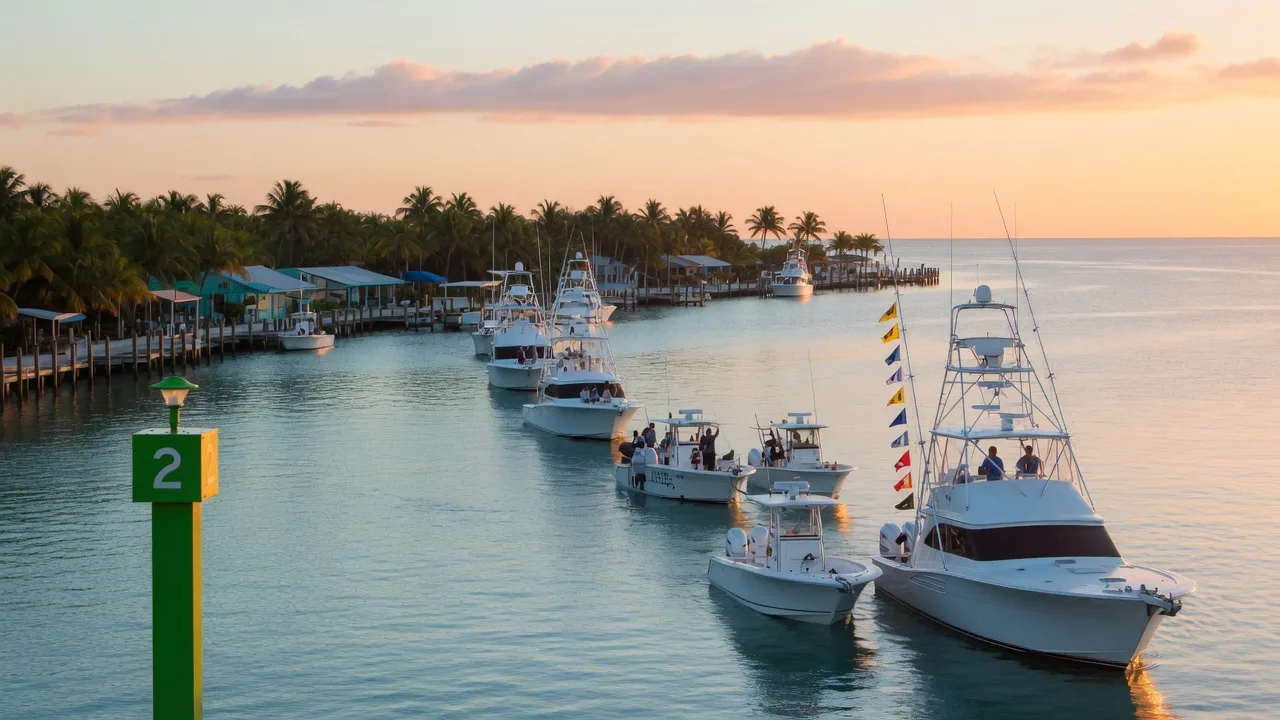
Ask anyone who lives in the Florida Keys how they met their neighbors, and the answer usually involves a boat. Fishing is the social architecture of the islands: it is how the economy works, how families pass weekends, and how complete strangers become part of the community. In this guide I want to show what that community actually looks like, from the tournament fleet leaving the dock at dawn to the fishing clubs that have anchored the culture for generations, and why it matters for anyone considering waterfront property here.
Why Fishing Is the Social Backbone of the Keys
In most places, neighbors meet at a front gate or a school event. In the Keys, they meet at the fuel dock, the launch ramp, the marina, and the tournament weigh-in. The water is the shared living room, and fishing is the reason everyone gathers in it. My guide to the boating and fishing lifestyle of the Upper Florida Keys covers the three boating worlds that shape daily life; this guide focuses on the community that forms around them.
That community is unusually open to newcomers. A buyer who pulls a new boat into a marina can be fishing beside a longtime captain within a week, because the culture assumes anyone on the water shares the same love of it. The rituals are simple and generous: someone shows you the better hole, another neighbor tells you which dock has the best coffee, and by the end of a season you have a network you did not have to work for.
Islamorada: The Sportfishing Capital of the World
No community embodies the fishing culture more than Islamorada, long known as the Sportfishing Capital of the World. The village's identity is built on the water: the legendary backcountry flats, the deep offshore grounds, and the fleet of charter boats that have guided anglers for generations. If you want to see the fishing community at its fullest, Islamorada is where you stand at the rail.
The tournament calendar is the rhythm the community runs on. The Islamorada Sailfish Tournament, held each December, is one of the oldest and most storied events on the Keys calendar, and it opens the Florida Keys Gold Cup Sailfish Championship. The Cheeca Lodge Presidential Sailfish Tournament follows in January, a prestigious event founded through the sport's deep ties to the White House, and serves as the championship's final leg. These events are not spectator sports in the usual sense; they are the island's big social weekends, when residents volunteer, crew, cook, and celebrate together.
The Fishing Clubs: Conservation and Belonging
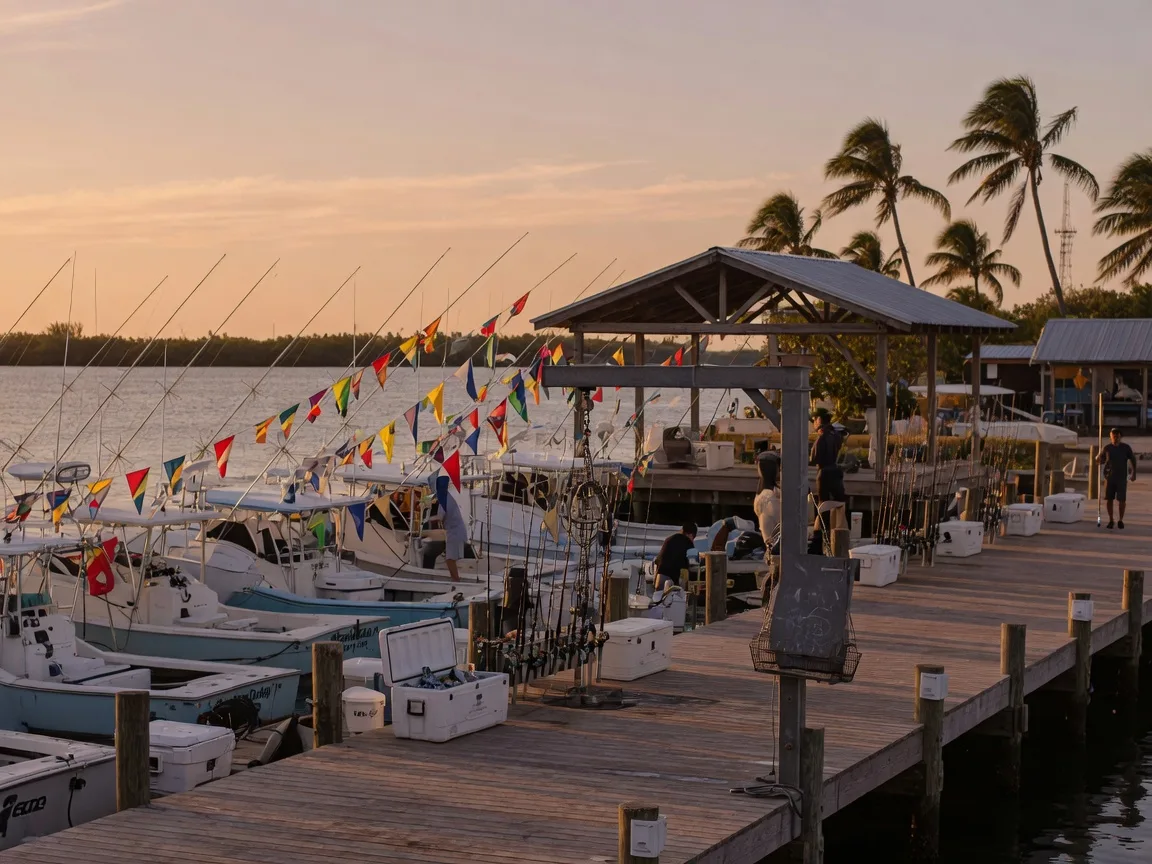
Beneath the tournaments sits a network of clubs that hold the community together year-round. The Islamorada Fishing Club, founded in 1950, is a conservation-focused institution that runs its own sailfish tournament, supports scholarships, and puts rods and reels into the hands of local kids. It is the kind of place where the same faces show up for decades, and where the history of the island's fishery is kept alive by the people who fished it.
These clubs matter beyond their membership rolls. They are where conservation habits are passed down: release fishing, catch-and-release etiquette on the flats, respect for spawning seasons, and support for the agencies that manage the fishery. That sense of stewardship is part of what makes the community so stable, and it is one of the reasons the Keys have kept their reputation as a world-class destination for so long.
Club life is also simply good company. Meetings, cookouts, kids' fishing days, and dockside cleanups give residents a reason to gather beyond the boat. For someone moving to the islands, joining a club is one of the fastest ways to feel at home, because it hands you a ready-made circle of neighbors who already share your interests. My guide to the sense of community in the Upper Florida Keys goes deeper into how these connections take root, and it is a helpful read for anyone weighing a move.
Tournament Season Across the Keys
The tournament year runs from the Lower Keys up through Marathon, and each community has its own signature event. In Marathon, the Premier Sailfish Tournament is a release-format boat tournament held each spring that pairs serious competition with a charitable cause, and the Faro Blanco tarpon events continue a long tradition of light-tackle fishing in the Middle Keys. My guide to the marina culture of the Upper Florida Keys describes how these gathering places anchor everyday life from Key Largo to Islamorada.
For fly anglers, the backcountry calendar is just as full. All-release events for bonefish, redfish, and snook run through the winter and spring, and long-standing traditions like the Ladies Tarpon Fly Tournament, founded in 1977, keep the flats community welcoming and competitive for every generation. These are the weekends when the sandbars are lined with boats and the whole island feels like a single neighborhood.
The Guides: The Community's Connectors
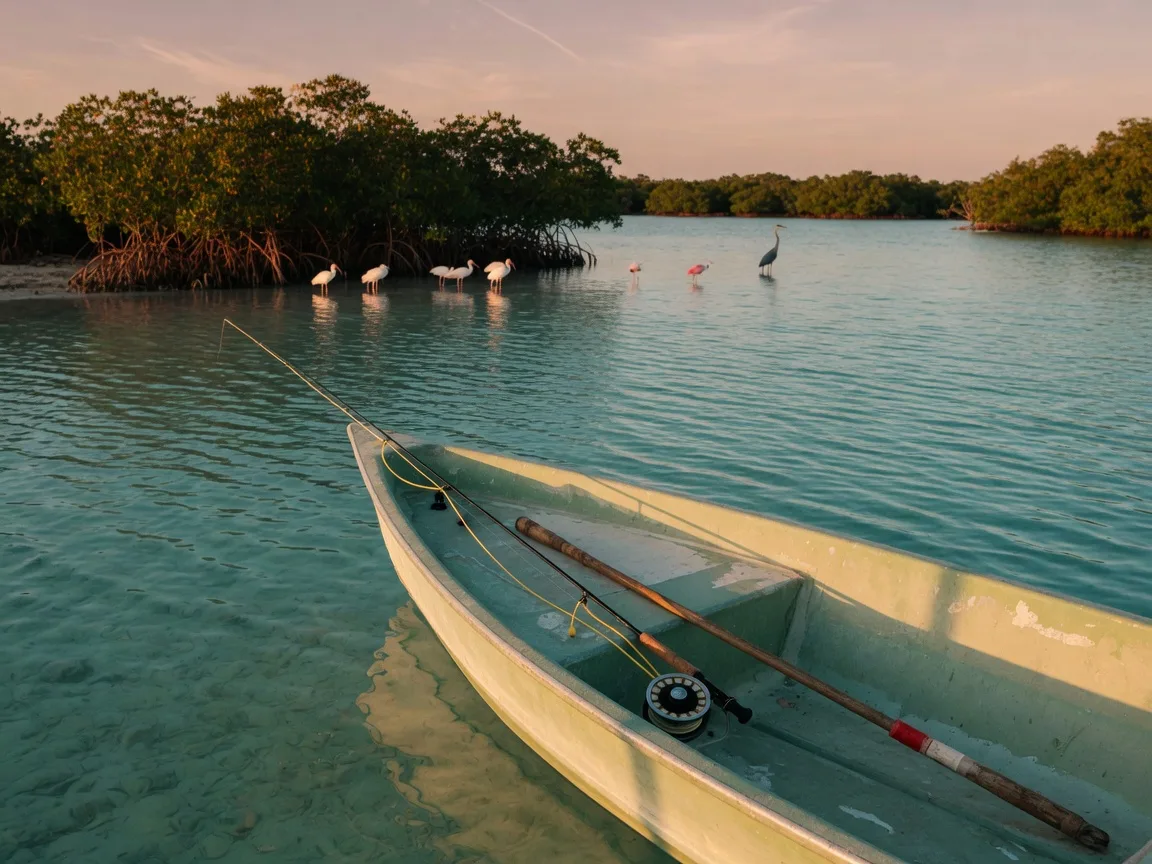
No one connects the Keys community like the fishing guides. The charter captains and backcountry guides are the island's best networkers; they know every cut, every flat, every tarpon hole, and just about everyone who lives along the water. For a new resident, a standing weekly trip with a good guide is the fastest way to learn the place, the people, and the water.
The guide community also organizes the culture itself. Professional guide associations run benefit events and the annual Swamp Guides Ball, an all-release gathering that raises money for conservation and community causes. When you buy a waterfront home with a deep-water dock, you are not just buying boat access; you are buying a front-row seat to a community that runs on shared mornings on the water.
What the Fishing Community Means for Buyers
If you are considering a Florida Keys waterfront home, the fishing community is a genuine lifestyle asset, and it shows up in the market. Homes with deep-water access, a dock, and a boat lift place you inside a network that a non-waterfront property simply cannot offer. That is part of why deep-water dockage carries the value it does, as I explain in my guide to canal versus open-water waterfront in the Florida Keys.
It also shapes the practical side of ownership. Being part of the fishing community means knowing a marine contractor when the lift needs service, a dock builder when the stringers age, and a neighbor with a trailer when you need a hand. The community is a support system for the lifestyle, and it is one of the intangibles that makes waterfront living in the Keys feel less like owning property and more like joining a place.
That support shows up in small, steady ways: a neighbor who watches the tide for you while you travel, a captain who lets your kids ride along on a slow afternoon, a dock hand who teaches you how to tie off in a current you have never handled. These are the exchanges that make the lifestyle work, and they only happen in a community where people know one another by name. For many buyers, that is the quiet reason a deep-water dock with a lively marina nearby is worth more than the square footage alone.
The Conservation Ethic
The fishing community is also the guardian of the resource that sustains it. The flats, the reef, and the offshore grounds are managed under rules enforced by the Florida Fish and Wildlife Conservation Commission, and most serious Keys anglers treat those rules as the floor, not the ceiling. Release fishing, barbless flies on the flats, and careful handling of game fish are part of the culture, not a burden on it.
For residents, that ethic is a quality-of-life feature. It means the fishery you enjoy is protected for the next generation, that the water stays clear, and that the community's identity does not fade. My guide to the sense of community in the Upper Florida Keys captures how stewardship and neighborliness go hand in hand here.
The Bottom Line
The fishing community is the heart of the Florida Keys. It is the tournament fleet at dawn, the club members who have fished together for fifty years, the guide who knows every flat, and the neighbor who waves you in at the fuel dock. For anyone moving here, joining it is as simple as stepping onto the water. For anyone buying here, it is one more reason the Keys are more than a place to own a home; they are a place to belong.
If you are ready to find a waterfront home that puts you inside this community, contact Steve Conley at (305) 393-5859. As the Principal of the Conley Sales Group at COMPASS, with three decades of Keys transactions and a dock of his own perspective on the lifestyle, he can help you find the deep-water home that fits the way you want to live.
Fishing community,
explained.
What makes Islamorada the Sportfishing Capital of the World?
Islamorada sits at the center of the Upper Keys fishery, with world-class backcountry flats, deep offshore grounds, and a legendary charter fleet. It also anchors the tournament calendar, hosting storied events like the Islamorada Sailfish Tournament and the Cheeca Lodge Presidential Sailfish Tournament.
How do I become part of the fishing community in the Keys?
Start by getting on the water. Join a local fishing club, book a charter or backcountry guide, and show up at the marinas and tournament weigh-ins. The culture is welcoming to newcomers, and a deep-water dock puts you inside the network quickly.
Do I need a boat to enjoy the Keys fishing community?
No. Many residents join through charter trips, fishing clubs, and community events. But a home with deep-water access and a dock does make the lifestyle easier and connects you more directly to the boating network.
How do tournaments and fishing clubs support the local community?
Tournaments draw visitors and support local businesses, while many events raise money for charity. Clubs such as the Islamorada Fishing Club fund scholarships and youth rod-and-reel programs and lead conservation efforts that protect the fishery for future generations.
Is release fishing common in the Florida Keys?
Yes. Catch-and-release is deeply woven into the culture, especially on the backcountry flats and in many tournament formats. Conservation and respect for the resource are part of the community's identity, not an afterthought.
Helpful Resources & Related Guides
Explore the boating lifestyle, the communities, and the deep-water market that put you inside the Florida Keys fishing community.
Internal Resources

Steve Conley
Principal, Conley Sales Group at COMPASS, the exclusive Compass office in the Florida Keys. Licensed Sales Associate, Contractor, and Home Inspector with over 30 years and $1.4 billion in career sales serving the island chain.
Full Bio
Thinking About Buying or Selling
in the Florida Keys?
Steve Conley brings 30 years of Keys expertise, $1.4 billion in career sales, and contractor-inspector credentials to every transaction. Let him help you find the deep-water home that puts you inside the community.
Connect with Steve